




Amazon Fulfillment Services in the Netherlands: A Complete Guide
Amazon Fulfillment Services in the Netherlands: A Complete Guide
7 Key Facts About Amazon Fulfillment Services in the Netherlands
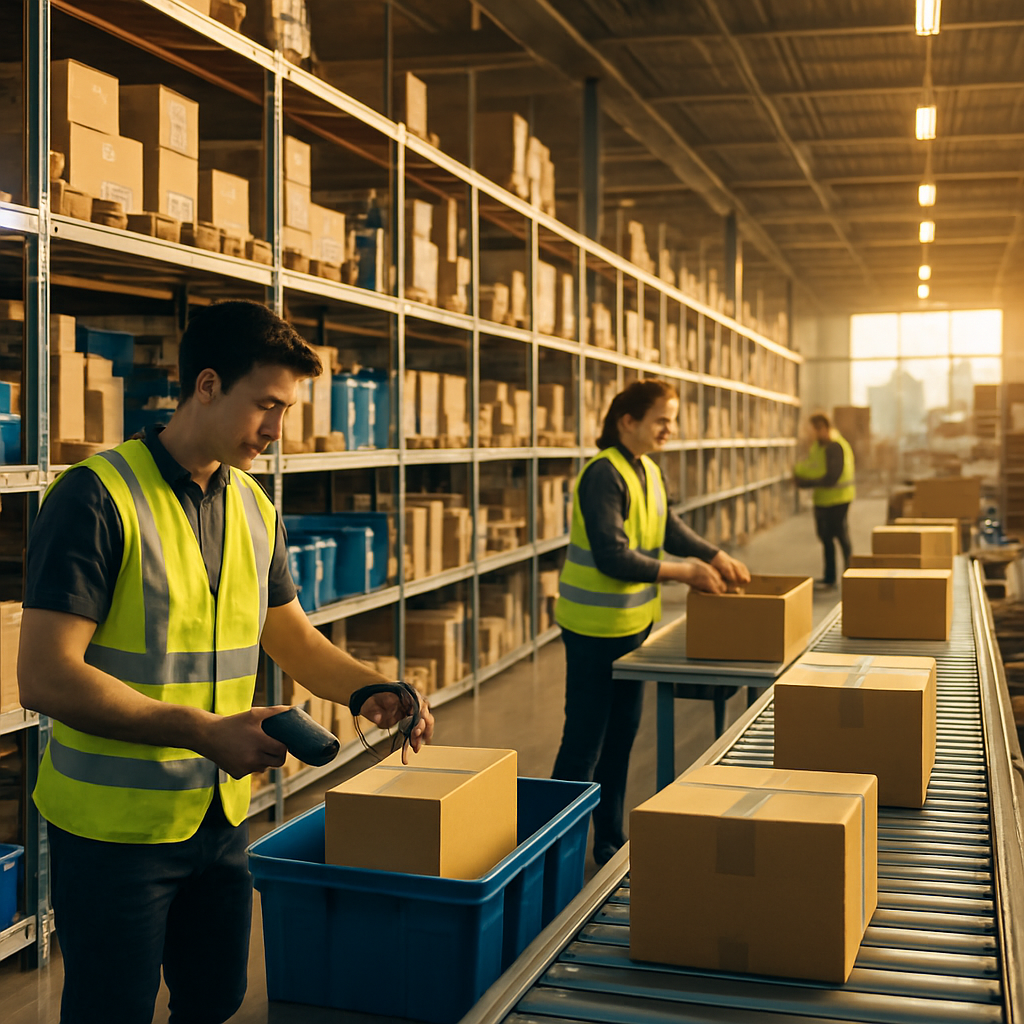
For brands expanding into Europe, Amazon fulfillment services in the Netherlands can make or break profitability. Most Dutch orders are still shipped from German hubs, so every choice in your FBA logistics for eCommerce strategy affects speed, costs, and customer trust. Understanding how cross‑border operations really work helps you avoid surprises on VAT, returns, and delivery promises while staying focused on growth.
1. Amazon Fulfillment in Netherlands Operates via Cross‑Border Hubs
There are currently no native Amazon fulfillment centres in the country, so Dutch orders are routed through German and other EU warehouses. This model demands careful cross-border FBA logistics planning, from transit times to carrier performance. It also means Managing inventory for Amazon becomes a regional exercise, not just a single‑country decision. Get this wrong and you risk stockouts, delays, and negative reviews.
2. FBA Gives Dutch Customers Prime Speed and Trust
By sending stock into Amazon’s EU network, brands can unlock Prime eligibility for Dutch shoppers and benefit from streamlined Amazon order fulfillment. FBA handles storage, picking, packing, and customer service, often at a lower effective cost than running a standalone Dutch operation. The key is optimising your Netherlands Amazon inventory control so fast‑moving items are always available in the right FCs, while slow movers don’t tie up unnecessary capital.
3. You Need to Navigate EU VAT and Packaging Rules
Because most Amazon fulfillment in Netherlands relies on stock held in Germany, sellers must address multi‑country VAT and reporting. Shipping compliance for sellers also extends to packaging waste rules, with schemes such as Germany’s LUCID system and broader EU Amazon shipping regulations to follow. Official resources from the European Commission provide useful guidance for cross‑border traders: https://taxation-customs.ec.europa.eu/mini-one-stop-shop_en.
4. FBA, FBM and 3PL: Choosing the Right Mix
Many brands blend FBA with FBM or third‑party logistics to protect margins. Oversized, fragile, or seasonal products may be better served from an FBA-friendly warehouse management partner closer to your home market, while smaller repeat purchases stay in FBA. The right mix depends on SKU size, velocity, and returns behaviour, along with how you are optimizing Dutch FBA stock levels across seasons and promotions.
5. Costs Go Beyond Standard FBA Fees
European FBA involves more than base storage and fulfilment charges. Expect long‑term storage fees, removals, relabelling, and fuel surcharges, plus potential costs for FBA-ready packaging standards and compliance checks. Smart Netherlands-based Amazon freight planning also factors in inbound pallet optimisation and carton configurations. Use Amazon’s own revenue calculator and independent benchmarks to model realistic landed margins per SKU before committing significant stock.
- Plan safety stock around cross‑border transit times into German FCs.
- Audit product dimensions and weight to avoid unexpected FBA tier changes.
- Segment SKUs by margin and velocity to allocate between FBA and FBM.
- Monitor customer feedback for delivery‑time complaints and adjust inventory.
- Review VAT, packaging, and labelling rules at least annually.
If you’re serious about scaling Amazon fulfillment in Netherlands, expert support can reduce costly trial and error. A specialist team can map your catalogue to the best fulfilment models, design Netherlands Amazon inventory control rules, and build forecasts that align with your wider ecommerce channels. To discuss your goals and pressure‑test your strategy, request a consultation with our marketplace operations specialists and get a tailored plan for your next phase of European growth.

Related posts
Amazon Fulfillment Explained: An introduction for Amazon Partners
FBA: An Introduction for Beginners Fulfillment by Amazon (FBA) is a servi
Amazon Fulfillment: A Game-Changer for E-commerce Businesses
Embracing the Power of Amazon Fulfillment In the rapidly evolving world of e-c
Amazon Prime: Unraveling the Secrets Behind Lightning-Fast Order Fulfillment
In today’s fast-paced world, customers expect quick and efficient order fu
