



Understanding Project Logistics Services in the Netherlands
Understanding Project Logistics Services in the Netherlands is becoming critical for project owners facing tighter schedules, rising costs, and tougher regulatory demands. With Rotterdam as Europe’s largest seaport and dense inland networks across road, rail, and waterways, the country is uniquely positioned to handle complex industrial moves. For capital projects in energy, construction, and heavy industry, choosing the right partner can mean the difference between a smooth delivery and months of delay.
1. Strategic Hub for European Project Cargo
The Netherlands offers direct access to major European markets, making it a natural gateway for large-scale project cargo supply chains. Deep-sea terminals, inland barge links, and specialised transportation solutions enable equipment to move efficiently from port to site. This geographic advantage reduces transit times, lowers handling risks, and supports more predictable budgets for investors and EPC contractors.
2. Expertise in Heavy-Lift and Oversized Cargo
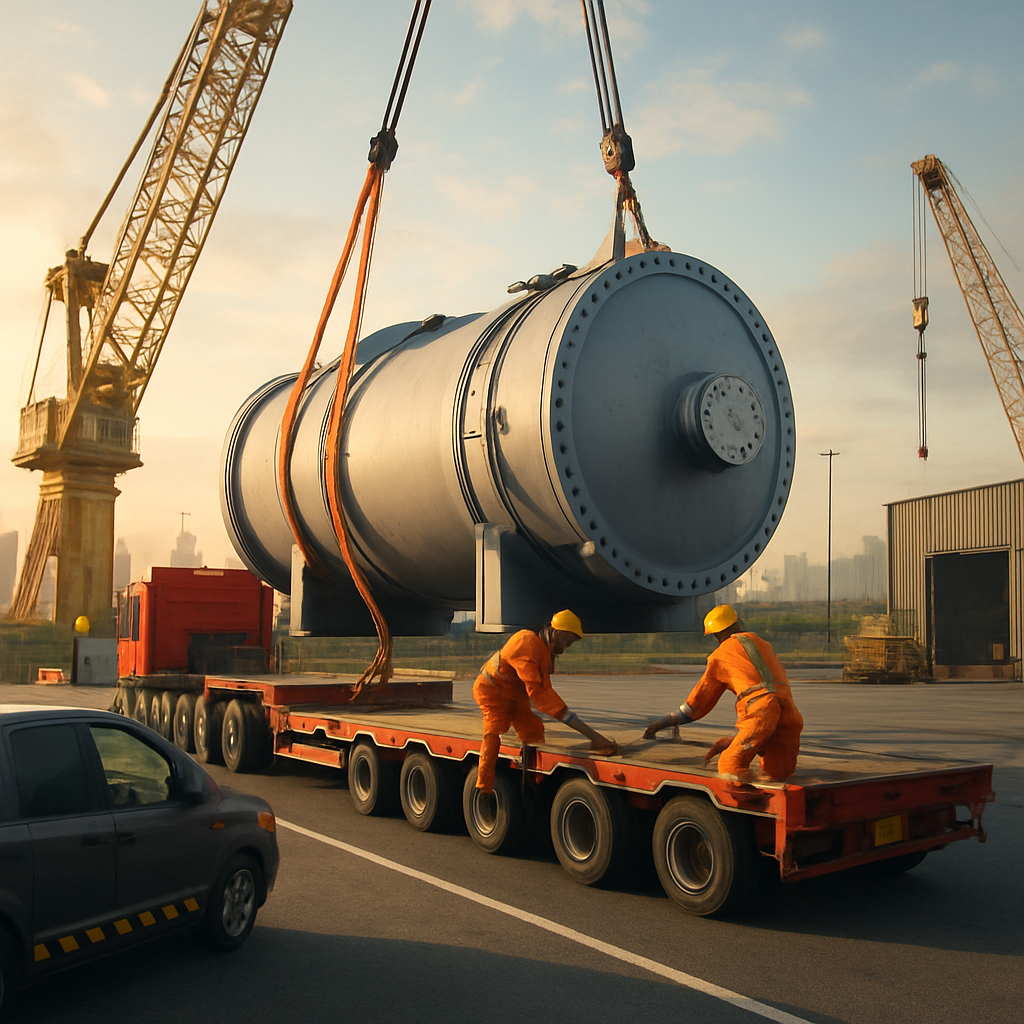
Dutch operators are globally recognised for heavy lift transport solutions and oversized cargo shipping services. From self-propelled modular transporters to high-capacity cranes, they deploy the right assets for abnormal loads. Detailed route studies account for bridge clearances, axle loads, and urban restrictions, helping protect critical components and minimise disruption to local communities during project freight transportation.
3. Navigating Permits, Compliance, and Customs
Regulatory complexity is one of the biggest threats to schedule certainty in industrial logistics management. In the Netherlands, oversized moves require municipal approvals, safety plans, and sometimes police escorts. Experienced teams manage permits, time windows, and customs formalities as part of broader supply chain management, reducing the risk of fines, inspections, or unexpected border delays.
4. End-to-End Coordination from Port to Site
Today’s projects demand more than standalone freight forwarding services. Leading providers deliver end-to-end logistics coordination, integrating ocean freight, inland barge, rail, and road under a single control tower. This approach aligns vessel arrivals with site readiness, laydown capacity, and installation schedules, supporting just-in-time deliveries and reducing costly idle time for construction crews.
5. When to Engage Specialist Project Logistics Services
Warning signs you need expert support include multiple international suppliers, fragile or high-value equipment, and restricted laydown space at site. If you are managing breakbulk project logistics or netherlands project freight forwarding for a major build, involving specialists early enables feasibility studies, risk analysis, and realistic cost scenarios. Engaging a team skilled in Project Logistics in Netherlands helps align execution with commercial objectives and stakeholder expectations.
- Access to European inland waterways, rail corridors, and motorways from Rotterdam and other Dutch ports.
- Integrated project freight planning that combines engineering input with on-the-ground execution.
- Scenario modelling that highlights route constraints, lifting requirements, and contingency options.
- Risk mitigation for weather delays, port congestion, and community impact along transport routes.
- Transparent reporting that supports investor oversight and contractual milestone tracking.
Independent organisations such as FIATA provide additional context on best practices in freight and project logistics at https://fiata.org, helping buyers benchmark service quality. If you are planning a major plant expansion, offshore installation, or infrastructure upgrade in the region, now is the time to speak with specialists in Netherlands-based project logistics services. Request a consultation and tailored quote to secure your next complex shipment and protect your project timeline from preventable disruption.

Related posts
Essential Guide to Customs Clearance Services in the Netherlands
Navigate customs clearance services in the Netherlands with confidence. Learn ke
Maritime Regulator Sets Carbon Measures Amid Dissent
The world’s top maritime regulator has agreed to a plan to cut the “carbon-i
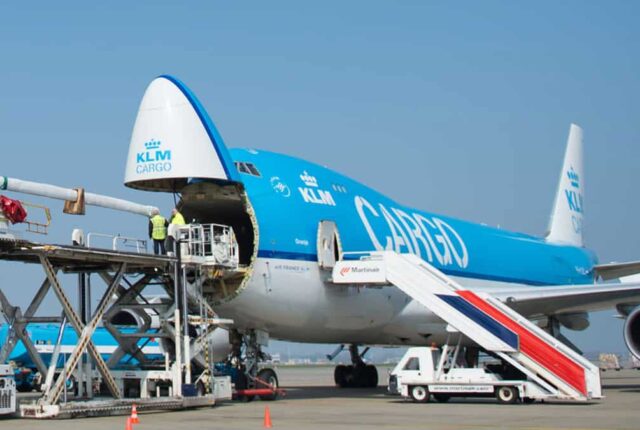
As Capacity Slowly Increases, Air Freight Demands Returns to Normal
Even though capacity is making a slow increase, demand for airfreight has contin
