




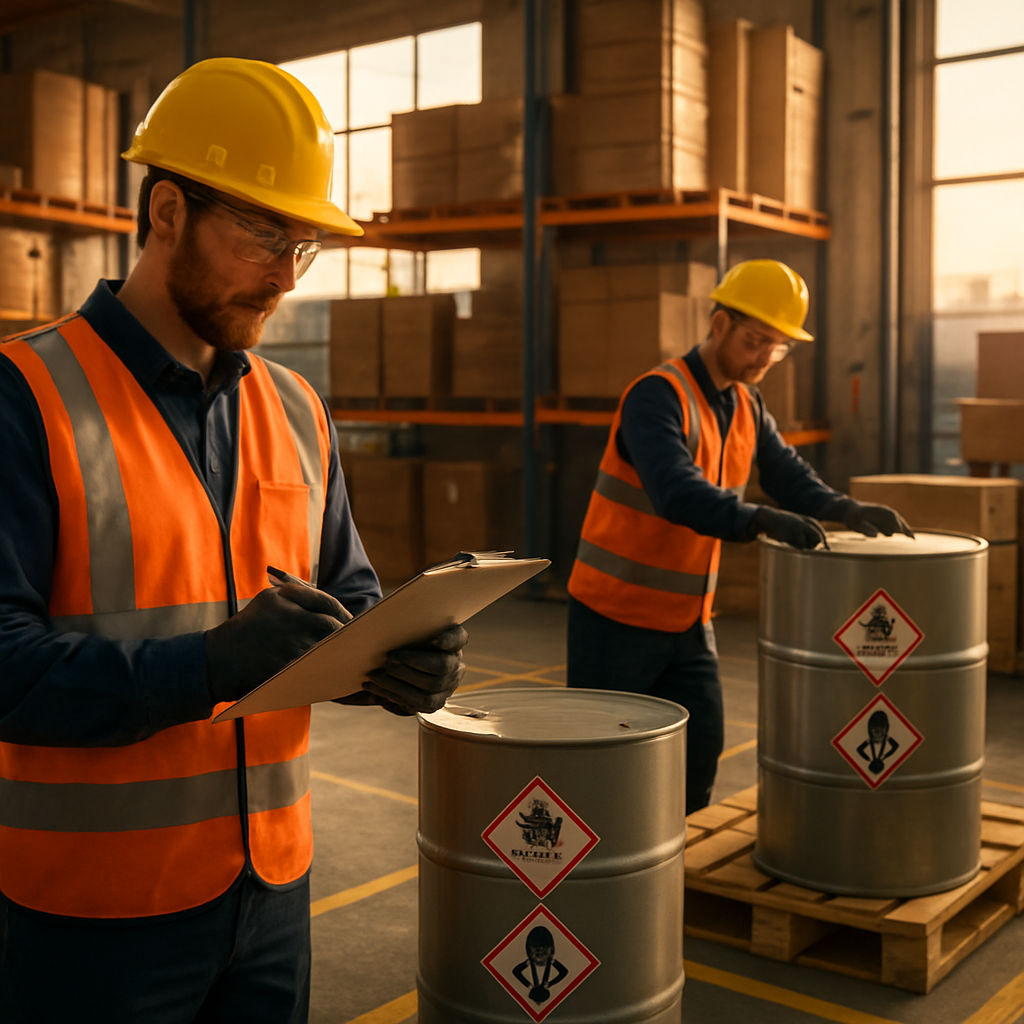
Understanding Hazardous Goods Shipping in the Netherlands
Understanding Hazardous Goods Shipping in the Netherlands is critical for any company moving chemicals, batteries, gases, or flammable products across borders. With strict EU regulations for dangerous goods and active Dutch enforcement, one misstep can lead to costly delays, rejected loads, or serious safety incidents. This listicle explains the key reasons shippers rely on specialist support to stay compliant, protect staff, and keep cargo moving efficiently.
1. Navigating complex Netherlands chemical shipping laws
Dutch and European rules overlap, with ADR for road, IMDG for sea, and IATA for air, creating a dense web of requirements. Specialist providers track Netherlands chemical shipping laws in detail, ensuring every movement is classified, documented, and routed correctly. They help you interpret exemptions, limited quantities, and modal differences so you avoid accidental breaches. For many operators, expert guidance is the only practical way to translate legal texts into day-to-day transport safety procedures for hazmat.
2. Getting classification and documentation right the first time
Misclassifying a substance or using the wrong UN number can lead to refused shipments or regulatory penalties. Experienced partners build a compliance checklist for chemical shipping that ties product data, safety data sheets, and shipping papers together. They verify hazard classes, packing groups, and tunnel restrictions before a load leaves the warehouse. This reduces administrative errors, keeps inspectors satisfied, and ensures your documentation matches expectations at ports, airports, and border crossings.
3. Ensuring secure packaging for hazardous materials
Correct packaging is the frontline defense against leaks, spills, and cargo damage in transit. Professionals assess product properties, selecting UN-approved drums, IBCs, or composite packaging that meets chemical transport safety rules. They also check inner and outer packaging combinations, absorbents, and closures to prevent failures under normal transport conditions. By aligning packaging choices with shipping regulations for chemicals, they protect your goods, assets, and brand reputation.
4. Implementing robust labeling and safety protocols for transport
Clear hazard labels and transport documents are essential for safe handling of hazardous cargo at terminals and in transit. Specialist logistics teams apply dangerous goods handling best practices to ensure labels, placards, and marks are visible, durable, and mode-compliant. They also help design safety protocols for transport, including segregation rules, loading plans, and driver instructions. This integrated approach supports dangerous materials handling that protects personnel, the public, and the environment.
5. Reducing risk with trained staff and ongoing inspections
Authorities in the Netherlands conduct regular roadside and facility checks, focusing closely on Hazardous Goods in Netherlands traffic. Expert partners coordinate staff training, incident drills, and maintenance regimes to satisfy inspectors and insurers. Many also benchmark operations against leading transport safety procedures for hazmat published by regulators and industry bodies such as the European Chemicals Agency at https://echa.europa.eu/. The result is a safer operation that is better prepared for emergencies, investigations, and audits.
- Support ADR, IMDG, and IATA compliance across all transport modes.
- Review and validate SDS data for accurate classification and documentation.
- Advise on packaging selection and secure packaging for hazardous materials.
- Develop emergency response plans and incident reporting processes.
- Audit operations for ongoing compliance with EU regulations for dangerous goods.
If your business is expanding exports, adding new chemicals, or facing more inspections, now is the time to strengthen your hazardous logistics strategy. Talk to a specialist team that understands Dutch enforcement, modal rules, and safe handling of hazardous cargo from warehouse to final delivery. Request a consultation or quote today to protect your people, your shipments, and your reputation while keeping hazardous goods moving smoothly through the Netherlands and beyond.

Related posts
Shippers Are Tearing up the Playbook
As the international logistics system was stripped of any reputation for reliabi
Decarbonisation Of The Australian Maritime Industry
Wednesday, Maritime Industry Australia hosted its first maritime decarbonisation

Digital Solution to Track Vessel Emissions
Due to the regulations on carbon emissions becoming increasingly more stringent,
