




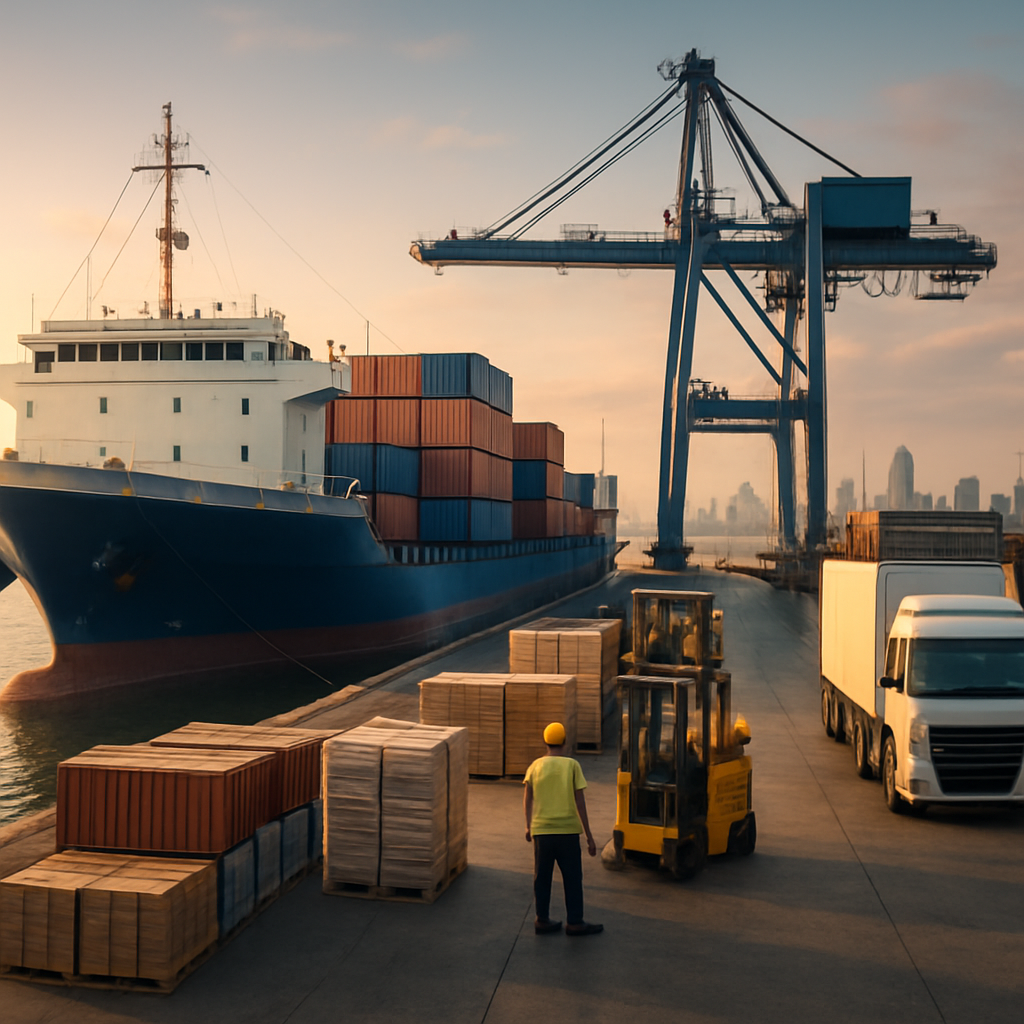
Understanding Domestic Coastal Shipping in the Netherlands
Domestic coastal shipping in the Netherlands is moving from niche to necessity for shippers under pressure to cut costs, reduce emissions, and secure reliable capacity. With Dutch seaports handling hundreds of millions of tonnes annually, logistics teams are rethinking how short sea legs between national ports can underpin smarter, lower-carbon supply chains. For businesses balancing road congestion, driver shortages, and sustainability targets, understanding the role of domestic coastal freight services is becoming a strategic advantage.
1. What Domestic Coastal Shipping in the Netherlands Really Covers
Domestic coastal shipping in the Netherlands refers to short sea movements between Dutch ports and nearby European hubs, including cabotage legs and feeder routes that support global deep-sea networks. These services typically handle containers, bulk, Ro-Ro, and project cargo, enabling port-to-port freight options that scale far beyond what trucks can move in a single run. For many operators, this acts as domestic interstate-style shipping on water, bridging industrial clusters and major terminals along the North Sea coast.
2. How Dutch Ports Anchor Short Sea Networks
Rotterdam, Amsterdam, North Sea Port, and Groningen Seaports form a dense grid of terminals serving energy, chemicals, agribulk, and manufacturing. Rotterdam alone is a leading hub for netherlands coastal freight services, with frequent sailings that connect deep-sea lines to coastal feeders. These gateways give exporters and importers multiple coastal freight delivery options, allowing them to shift volumes between ports when capacity, pricing, or schedules change. That flexibility is critical when supply chains are under stress.
3. When Coastal Routes Beat Road and Rail
For medium- and long-distance domestic legs, domestic coastal freight services can cut cost per tonne-kilometre while easing pressure on congested motorways and busy rail corridors. Bulk flows of fuels, ores, and construction materials benefit most from this scale, but container shippers also gain when road haulage capacity tightens. Combining sea legs with rail, barge, and local delivery options creates multimodal coastal delivery choices that keep freight moving even during seasonal peaks or driver shortages.
4. Emissions, Climate Policy, and Regulatory Pressure
Coastal shipping is also central to Dutch climate policy, with recent data showing falling CO₂ from sea shipping in national waters thanks to cleaner fuels, shore power, and more efficient vessels. Compared with all-road moves, well-utilised coastal freight solutions can significantly lower emissions per tonne of cargo, especially on heavier trades. Independent sources such as the European Environment Agency provide benchmarks for maritime emissions performance, helping shippers quantify savings when they switch modes.
5. Cargo Types and Sectors Turning to Coastal Legs
Energy producers, steel mills, refineries, agribulk handlers, and automotive manufacturers are all increasing their use of dutch coastal shipping solutions to reposition feedstocks and finished goods. Coastal tankers and bulkers help balance storage limits between ports, while container feeders supplement interstate shipping services on high-volume lanes. As demand grows, providers of Domestic & Coastal in Netherlands are bundling port handling, customs support, and local coastal cargo delivery into integrated service packages.
- Assess which trade lanes could shift from truck to short sea based on volume, lead times, and seasonal peaks.
- Compare total landed cost, including port charges and last-mile transport, not just sea freight rates.
- Check terminal draft, berth access, and schedule reliability for your preferred ports and cargo types.
- Use providers experienced in domestic coastal shipping in the Netherlands to coordinate multimodal links.
- Request scenario modelling to understand cost, risk, and emissions impacts of shifting to coastal routes.
If your supply chain touches the North Sea, now is the time to review your coastal freight delivery options and clarify where short sea legs can deliver cost and carbon savings. Speak with a specialist in Domestic & Coastal in Netherlands to map the right routes, cargo profiles, and service levels for your business, and request a tailored coastal freight strategy that supports your growth, resilience, and sustainability targets.

Related posts

The Vertom Patty: Hybrid-Electric Shortsea Vessel
There’s a new Hybrid-Electric Shortsea vessel on the market and her name is Ve
Ammonia Bunker Vessels in Development
Currently there are two companies reported to be working on some of maritime ind
Understanding Hazardous Goods Shipping in the Netherlands
Discover key reasons to rely on experts for Hazardous Goods in Netherlands shipp
