




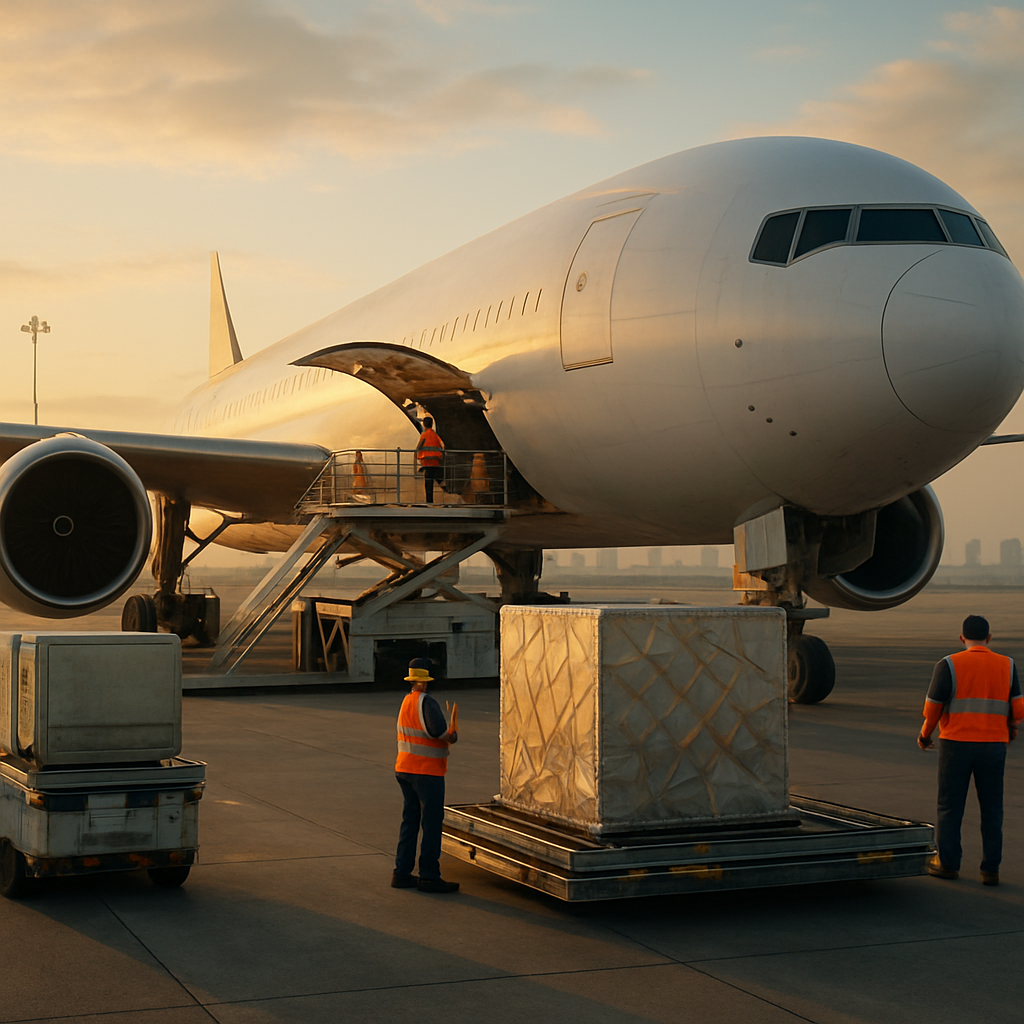
High-Value Goods Air Freight: Ensuring Safe Transport
High-value goods air freight requires a precise balance of security, speed, and cost control to protect your cargo and your business reputation. When arranging international transport, shippers must consider risks such as theft, damage, delays, and data breaches, while still meeting strict delivery deadlines. Understanding how high-value air freight works helps you choose the right partners, design secure processes, and justify specialist investment in packaging, tracking, and insurance.
High-Value Goods Air Freight: Core Security Principles
Security for valuable cargo begins with a thorough risk assessment across every stage of the journey, from collection to final delivery. Shippers should combine robust, tamper-evident packaging with clear labelling, discreet outer cartons, and sealed pallets to reduce interference risks. Priority air cargo handling in secure zones, CCTV coverage, and tight access control at warehouses and airports are essential. For logistics for critical shipments, vetting staff, using dual-control procedures, and auditing handovers are practical measures that significantly reduce exposure.
Insurance, Pricing, and Cost Transparency
Comprehensive cargo insurance must reflect the true replacement value of goods, coverage territories, and specific transport risks such as theft from vehicles or temperature excursions. Because high-value cargo pricing can be complex, work with your broker or forwarder to obtain a transparent air freight cost breakdown, including war-risk, security surcharges, and storage fees. Understanding key air freight pricing factors allows you to compare quotes accurately and avoid underinsuring or overpaying for protection you do not need.
Technology, Tracking, and Time-Critical Needs
Real-time tracking using GPS, RFID, and sensor devices gives visibility over location, temperature, and potential tampering. Time-sensitive air cargo solutions often include automated alerts for route deviations, delays, or door openings, enabling rapid response if something goes wrong. For express time-critical air freight, choose providers who offer control towers, 24/7 monitoring, and clear escalation paths. When managing Air freight in Netherlands or other global hubs, integrating tracking data with your internal systems strengthens audit trails and simplifies claims.
Compliance, Planning, and Decision Factors
Compliance with IATA Dangerous Goods Regulations and aviation security standards is non-negotiable where relevant cargo types are involved. Regular DGR training, checklists, and document controls help prevent expensive delays or fines. Effective urgent air freight planning should map out contingencies for weather disruptions, customs inspections, or capacity constraints, especially for fast international cargo solutions. Before choosing a service level, consider route risk, transit time, consolidation options, and air freight rate optimization strategies that balance speed with budget.
Data security is as important as physical security, as shipment details can be exploited by criminals. Implement strong cybersecurity controls around booking platforms, tracking portals, and EDI connections, and review who can access sensitive information. For deeper technical guidance, consult recognised resources such as the International Air Transport Association’s information on cargo security at https://www.iata.org/en/programs/cargo. If your business manages urgent shipment logistics or coordinates air freight regularly, speak with an expert to review your processes, identify vulnerabilities, and design safer, more resilient high-value air freight solutions tailored to your needs.

Related posts
Speed and Security: The Advantages of Air Freight Shipping
In the world of logistics and supply chain management, two key factors reign sup
Airlines Juggle Q4 Capacity for E-commerce Boost
Air Transport Services Group (ATSG) has made a further deal to operate freighter
As Capacity Slowly Increases, Air Freight Demands Returns to Normal
Even though capacity is making a slow increase, demand for airfreight has contin
