




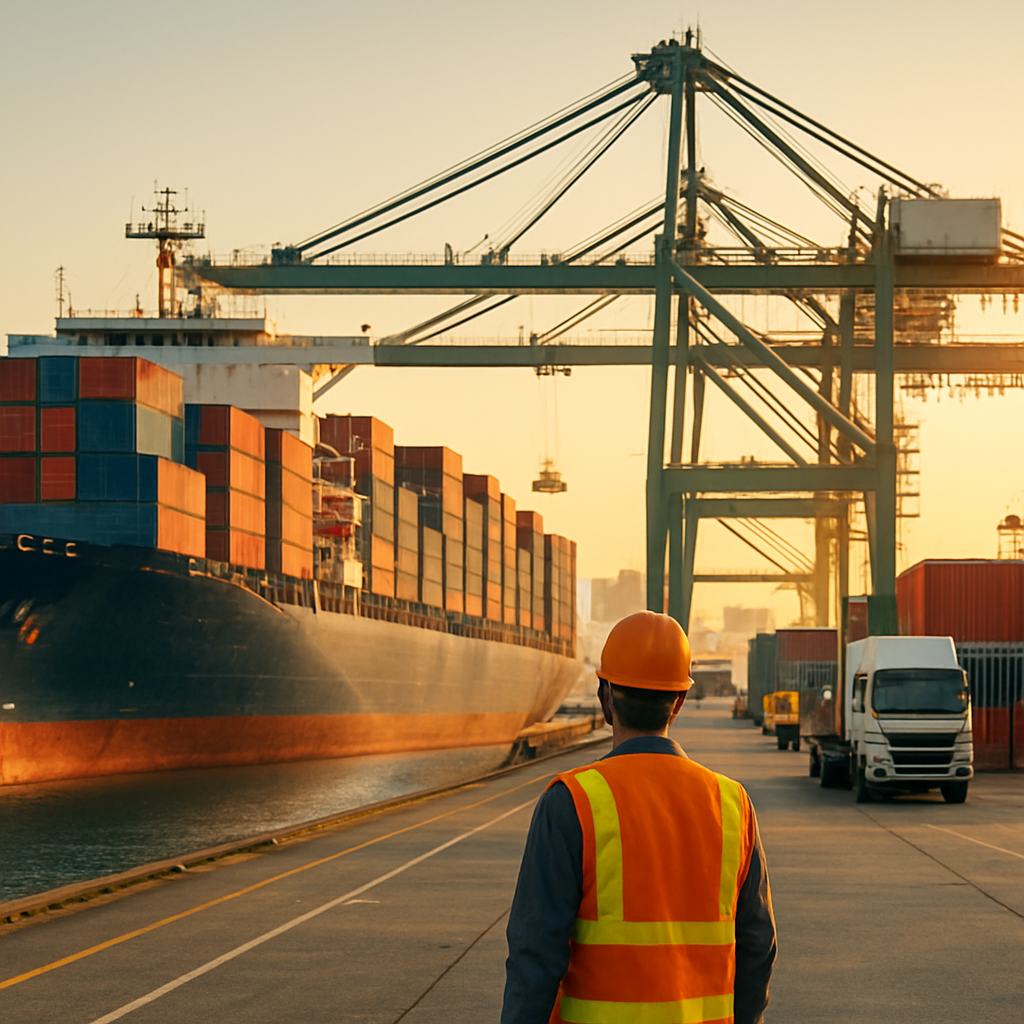
Navigating Sea Freight Customs Clearance in the Netherlands
Sea freight customs clearance in the Netherlands can either streamline your global supply chain or stall it at the quay. For US importers moving goods through Rotterdam, mastering the basics of Sea Freight in Netherlands is critical to cutting delays, avoiding penalties, and keeping total landed costs under control. This list highlights the key clearance steps to manage in-house—and when partnering with a specialist becomes the safer, more profitable move.
1. Get Your Core Customs Documents Right From Day One
Errors in the customs documentation process are still the leading trigger for inspections and holds at Dutch ports. Importers need clean commercial invoices, accurate packing lists, and bills of lading that match the physical cargo. When these differ, Dutch officials dig deeper, delaying container release and adding storage charges. For complex product portfolios, building a repeatable internal process or using customs documentation support for importers drastically reduces the risk of costly rework.
2. Classify Goods Precisely to Avoid HS Code Surprises
A single HS digit wrong can change duty rates, licensing needs, or even flag a dual-use concern. Rotterdam’s authorities rely on EU TARIC codes, so US shippers must align internal SKU data with European container shipping options and rules. High-tech equipment, mixed kits, and refurbished items are frequent problem areas. Importers often rely on Netherlands customs documentation guidance from official resources and external specialists to validate tricky classifications before cargo sails.
3. Understand Duties, VAT, and Special Dutch Customs Regimes
Beyond basic duty rates, Dutch VAT—typically 21%—has a major impact on cash flow. Failing to model VAT, anti-dumping measures, or tariff quotas can blow up margin assumptions overnight. Many shippers use customs warehousing and inward processing to defer or reduce duty and VAT exposure, particularly when goods transit deeper into the EU. Careful planning around port-to-port ocean shipping logistics and downstream distribution is crucial to selecting the most efficient special procedure.
4. Prepare for Risk-Based Inspections at Rotterdam and Other Ports
Dutch Customs relies on data analytics and targeted controls, meaning poor data quality equals higher inspection risk. Incomplete container weights, vague product descriptions, or mismatched quantities attract attention. Well-structured packing lists and clear labels help speed physical checks and x-ray scans. Working with providers experienced in ocean shipping logistics in the Netherlands gives shippers on-the-ground support when containers are pulled aside, limiting disruption and additional terminal fees.
5. Know When to Bring in a Dutch Customs Clearance Specialist
Growing volumes, more SKUs, or repeated clearance delays are signs that ad hoc solutions no longer work. Businesses weighing container shipping options also need advice on door-to-door container shipping options, duty optimization, and bonded storage. A specialist can coordinate Ocean shipping logistics, manage electronic filings, and advise on Sea freight customs documentation across multiple product lines. For official tariff and VAT information, many importers refer to the European Commission’s TARIC database at https://taxation-customs.ec.europa.eu/customs-4/calculation-customs-duties/customs-tariff/taric_en.
- Streamline Rotterdam clearances with expert HS classification and document checks.
- Model duties, VAT, and special procedures before shipping to protect margins.
- Reduce inspection risk through accurate, consistent shipment data and labeling.
- Leverage customs warehousing and transit regimes to optimise EU distribution.
- Partner with a customs specialist to turn clearance from a bottleneck into a competitive edge.
If you’re planning new Container shipping options into Rotterdam or struggling with repeated holds, it’s time to rethink your approach. A focused customs and logistics partner can review your current workflows, identify where delays and extra costs arise, and design a compliant, scalable clearance strategy. Reach out to speak with a specialist, request a tailored assessment of your Sea Freight in Netherlands operations, and move your business from reactive problem-solving to predictable, efficient imports.

Related posts
Red Sea War-risk Insurance Premiums Surge 900% Due to Attacks
War-risk premiums may have increased by as much as 900% since the Houthi attacks
Container Shipping Congestion in L.A.
Due to the huge amount of container shipping congestion in L.A., sailing around
Cutting Carbon Emissions For the Shipping Industry Remains a Struggle
Cutting carbon emissions remains a struggle as sea shipping operators are under
