




Hazardous Goods Customs Clearance: Best Practices in the Netherlands
Clearing hazardous goods through customs in the Netherlands requires a precise understanding of safety rules, legal responsibilities, and operational risks. Businesses moving dangerous chemicals, batteries, or other risky products must focus on both safety and compliance for dangerous goods to avoid delays, fines, or shipment refusals. This overview explains how the process works, what Dutch authorities expect, and which practical steps help keep your supply chain moving while maintaining international shipping compliance.
Regulatory framework for hazardous goods clearance
The Netherlands applies a mix of global standards and EU import export rules, including ADR for road, IMDG for sea, and IATA for air freight. Companies must align these frameworks with local Netherlands shipping regulations that govern how hazardous items are stored, declared, and inspected. Understanding import export regulations early in the planning stage helps shippers choose correct routes, modes of transport, and handling partners. When in doubt, professional advice from specialists in Customs Clearance in Netherlands can prevent costly errors.
Documentation, classification, and packaging requirements
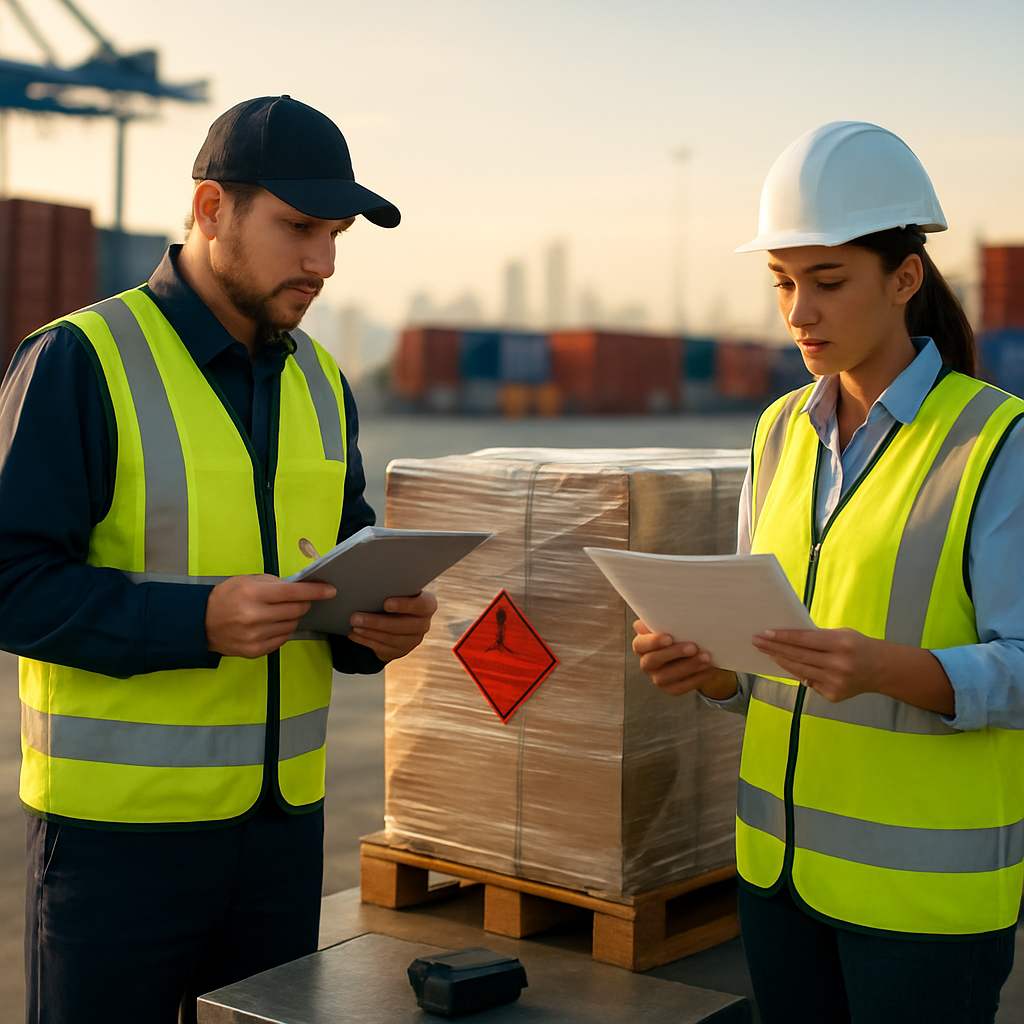
Accurate hazardous goods documentation is central to a smooth customs documentation process. Authorities will expect correct Safety Data Sheets, transport declarations, and any specific permits for restricted materials. Proper classification of each product under international hazard classes and UN numbers also drives packaging and labelling decisions. Dutch customs paperwork must match transport labels, including hazard pictograms and handling instructions, to ensure inspectors can quickly verify the shipment. Errors in customs paperwork for exporters often lead to inspections, storage charges, or forced re-labelling.
Operational best practices and risk management
Beyond paperwork, businesses should embed risk assessments into daily operations when moving dangerous goods through Dutch ports and airports. This includes checking air and sea freight rules, carrier restrictions, and terminal safety procedures before booking cargo. Staff handling hazardous shipments need regular training so they can recognise incorrect packaging, missing labels, or conflicting instructions. Many firms use digital tools to track shipments and automate alerts when deadlines or approvals are at risk, supporting consistent tariff and duty compliance for each consignment.
Working with licensed brokers and staying informed
Most companies benefit from partnering with licensed brokers experienced in hazardous materials who understand local Netherlands shipping regulations and EU systems. These specialists coordinate declarations, oversee inspections, and help interpret changing rules. For example, they can explain how new EU safety directives affect packaging or route choices. Authoritative resources such as the European Chemicals Agency at https://echa.europa.eu provide detailed information on classification and labelling rules that underpin safe trade in chemical products across the region.
Before shipping any dangerous product, review who is responsible for classification, packaging, and final customs submissions, and ensure roles are clearly documented in contracts. Confirm that logistics partners have current training and insurance that covers hazardous goods, and check how they manage incidents or rejected cargo. Businesses that actively review their processes for international shipping compliance are better positioned to avoid disruptions and protect their staff, customers, and reputation. To deepen your understanding, consider speaking with a customs specialist about your specific product range and risk profile.

Related posts
Ammonia Bunker Vessels in Development
Currently there are two companies reported to be working on some of maritime ind
Container Shipping Schedule On 20 Month High
Now life is slowly getting back to normality after COVID, the container shipping

Container Shipping Prices Skyrocket as Rush to Move Goods Picks Up
Prices to ship containers from Asia to the U.S. and Europe are rising at a histo
