




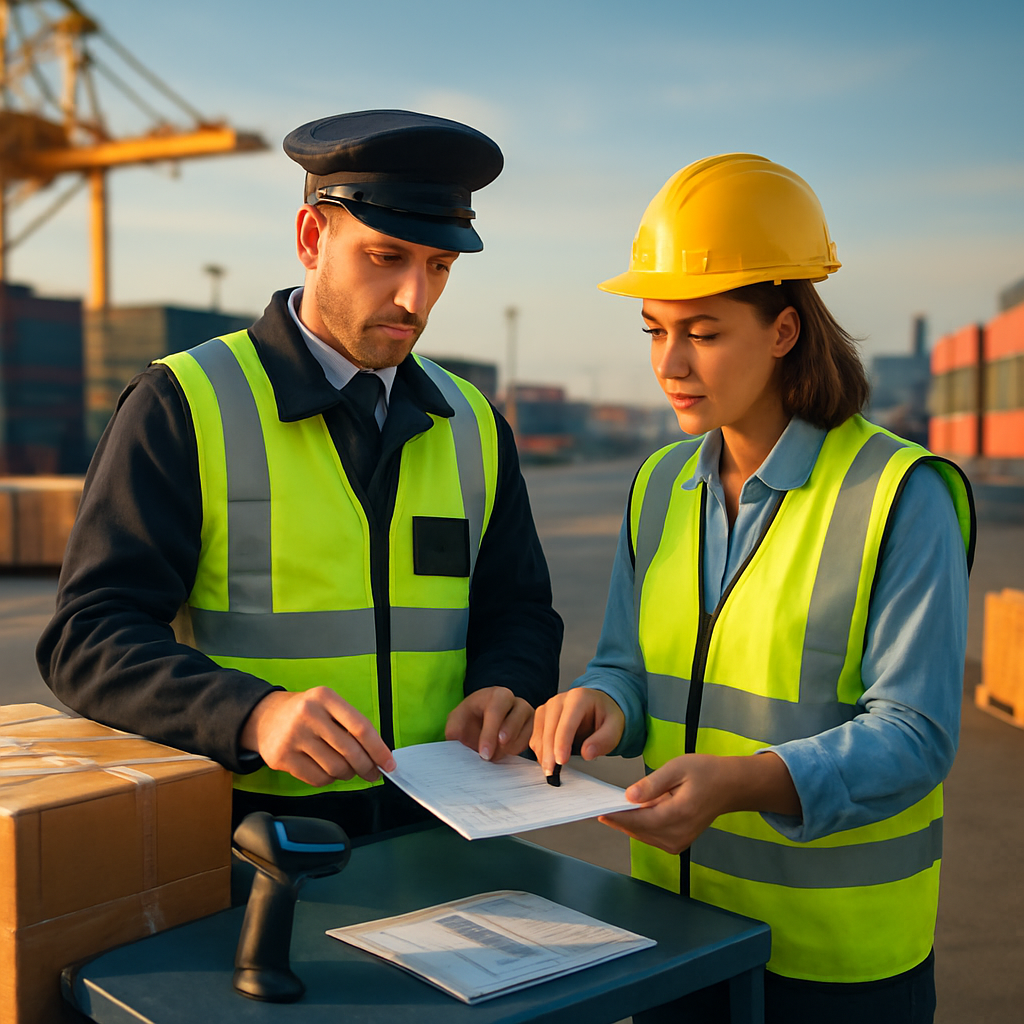
Essential Guide to Customs Clearance Services in the Netherlands
Essential Guide to Customs Clearance Services in the Netherlands
1. Understand why professional support is non-negotiable
For US businesses moving goods into Europe, the Netherlands is a preferred gateway—but also a hotspot for strict EU trade and customs regulations. Treating Customs Clearance in Netherlands as an administrative add-on can expose you to delays, penalties, and cargo holds at Rotterdam or Schiphol. A professional broker manages the customs documentation process in real time, keeping declarations accurate and aligned with Dutch import export rules so shipments clear quickly and predictably.
2. Navigate the full clearance journey from pre-arrival to release
Effective customs clearance services start before your vessel or flight departs. A specialist will pre-check shipping documents for customs, validate HS codes, and lodge electronic declarations through Dutch Customs’ digital platforms. They respond promptly to green, yellow, or red control messages, reducing the risk of physical inspections and storage fees. This end-to-end oversight supports customs compliant international shipping and keeps your supply chain running on schedule across the EU.
3. Get your paperwork right the first time
Incomplete or inconsistent Netherlands customs paperwork is one of the fastest ways to trigger inspections and fines. A seasoned broker safeguards your customs documentation requirements, from commercial invoices and packing lists to bills of lading and air waybills. They ensure your EORI numbers, Incoterms, and customs value are correct, and that every line matches the international trade compliance checklist applied at Dutch ports, terminals, and bonded warehouses.
4. Reduce duty, VAT, and cash flow pressure
Beyond basic clearance, leading providers help you optimise costs under Netherlands import VAT rules and duty relief schemes. They can advise on customs warehousing, inward processing, and transit regimes that defer or suspend charges while your cargo moves through the EU. For high-value consignments, expert guidance on import export regulations and VAT deferment can significantly improve working capital and make your European trade lanes more competitive.
5. Choose a Dutch customs partner you can trust
Selecting the right adviser is critical for long-term international shipping compliance and risk management. Look for AEO certification, 24/7 coverage at key Dutch gateways, and detailed experience in your commodity types. Ask how they handle audits, disputes, and complex Netherlands customs paperwork in practice. Reviewing official Dutch Customs guidance via the Government of the Netherlands website at https://business.gov.nl/regulation/customs/ can help you benchmark their answers and expectations.
- Check how the broker manages the customs documentation process and data quality controls.
- Confirm they understand sector-specific Dutch import export rules for your products.
- Ask for examples of handling complex shipping documents for customs under time pressure.
- Review their escalation procedures if shipments are stopped or inspected.
- Ensure they can support EU-wide routing, not just a single Dutch port or airport.
If you’re planning growth in Europe and want customs clearance services that protect your margins and timelines, now is the time to speak with a specialist. Request a consultation with a Dutch customs expert to review your current processes, identify risks, and design a tailored solution that keeps every shipment compliant and on schedule.

Related posts

Underwater Noise From Boats Negatively Impact Marine Environment
Underwater noise from boats can negatively impact the marine environment and vul

Miss the Rush, Buy Christmas Presents Now!
Buy Christmas presents now to avoid delays in shipping experts warn. The COVID-1
Decarbonisation Of The Australian Maritime Industry
Wednesday, Maritime Industry Australia hosted its first maritime decarbonisation
