




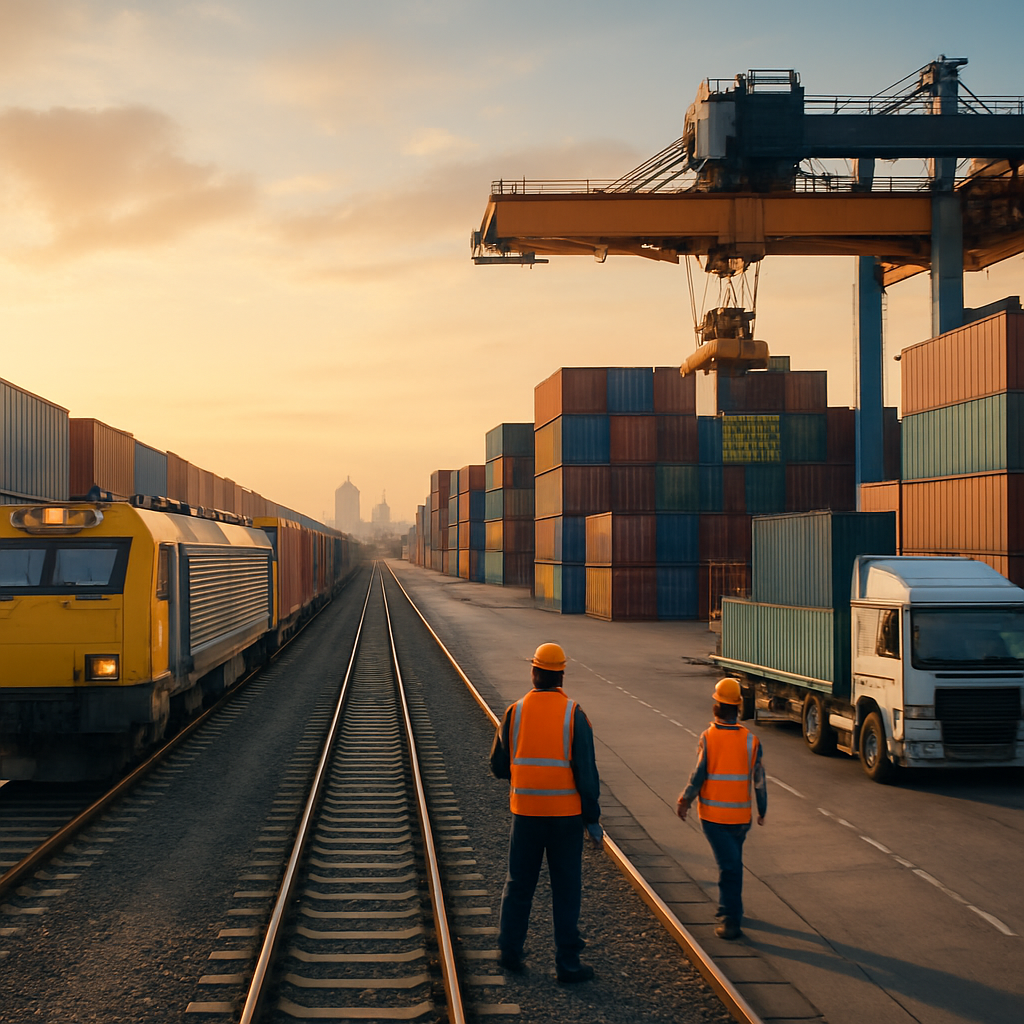
Understanding Rail Freight Services in the Netherlands: A Guide
Understanding Rail Freight Services in the Netherlands is increasingly important for shippers searching for reliable, lower-emission freight transportation solutions across Europe. As congestion, driver shortages, and rising fuel costs pressure margins, many operators are reassessing how rail can anchor their logistics and supply chain decisions. This listicle highlights the strategic advantages of Dutch rail and why now is the time to reassess your network design and modal mix.
1. Strategic Gateway Position for European Trade
The Netherlands occupies a pivotal role between North Sea ports and continental industrial hubs, with Rotterdam acting as the main entry and exit point. Rail Freight in Netherlands connects this port directly to Germany, Italy, Switzerland, and beyond through high-capacity corridors. For exporters and importers, this enables predictable transit times and dependable window planning. Businesses moving high-volume flows can design a rail-focused supply chain strategy that supports both regular shuttles and ad hoc capacity when markets shift.
2. High-Performance Corridors and Terminals
The dedicated Betuweroute freight line and the Rhine-Alpine Corridor underpin much of the country’s rail competitiveness. These routes provide robust paths for cross-border intermodal logistics into core production regions in Germany and northern Italy. Inland hubs like Venlo, Moerdijk, and Tilburg connect seaports with regional distribution centres, enabling integrated freight transport planning. For shippers, this network makes it easier to consolidate demand, standardise routings, and cut dwell times while maintaining schedule integrity.
3. Flexible Intermodal Options from Port to Door
Dutch operators specialise in intermodal shipping services that blend rail, barge, and truck movements into seamless journeys. Containers can move by train to inland hubs before switching to trucks for door-to-door intermodal delivery across the Benelux and DACH regions. This approach reduces motorway congestion and can lower total landed cost compared with pure road. When paired with end-to-end logistics coordination, shippers gain more control over cut-off times, slot bookings, and equipment availability.
4. Sustainability Gains and Emissions Compliance
Rail typically emits substantially less CO2 per tonne-kilometre than road, helping companies meet tightening sustainability and disclosure requirements. The Netherlands relies heavily on electrified lines and ongoing digital traffic management upgrades to support sustainable rail cargo solutions. According to the European Commission, shifting freight from road to rail is a key lever in its climate strategy, outlined in detail on the official EU transport and mobility portal at https://transport.ec.europa.eu. For brands facing ESG scrutiny, this shift can deliver credible, reportable emissions reductions.
5. Choosing the Right Dutch Rail Freight Partner
Selecting a rail specialist is central to building resilient multimodal freight logistics across Europe. Buyers should evaluate service frequency, corridor coverage, customs handling, and track-and-trace visibility, as well as experience with sensitive or high-value cargoes. Providers able to design rail-linked distribution networks around your existing warehouses can streamline inventory flows and reduce buffer stock. When you’re ready to explore tailored freight transportation solutions, speak with a rail logistics specialist who can assess your lanes, model savings, and build a pilot programme.
- Clarify target lanes where rail can replace or complement road within your logistics and supply chain.
- Pilot one or two core corridors first, then scale once performance and costs are validated.
- Use data from your transport management system to compare on-time performance and CO2 outcomes.
- Engage partners who can manage end-to-end logistics coordination across borders and carriers.
- Request a detailed network review to align service design with your long-term growth strategy.
To understand how Dutch rail could strengthen your network, request a rail network assessment or quote today. A specialist can map your current flows, identify the best-performing corridors, and build a tailored service plan that balances cost, reliability, and sustainability across your European operations.

Related posts
The Future of the New Silk Road: What It Means for Dutch Rail Freight in 2025
The Netherlands occupies a strategic position at the heart of Europe’s trade r
Descartes Report Shows Robust Port and Imports Activity in May
Another month brought another strong month of United States-based imports, accor
Rail Freight Safety: Mitigating Risks in Railroad Transportation
In the world of transportation and logistics, rail freight plays a pivotal role.
