





Real-Time Supply Chain Visibility: Why It Matters in 2026
Real-time supply chain visibility is rapidly becoming non-negotiable for global shippers in 2026. With geopolitical shocks, port congestion, and volatile demand now the norm, leaders can no longer rely on spreadsheets and delayed updates. They need continuous, trustworthy data across suppliers, carriers, and distribution partners to protect margins and service levels. Real-time supply chain visibility enables operational control, sharper decision-making, and a clearer path to growth instead of firefighting.
1. Reduced Risk and Faster Incident Response with Real-Time Supply Chain Visibility
Disruptions are no longer rare events; they are a daily management challenge. When you can monitor shipments, inventory, and capacity in real time, you can intervene before minor issues spiral into missed orders and penalties. Early alerts on delays, temperature breaches, and route deviations enable teams to rebook capacity, adjust production, or re-allocate stock within hours. Companies that invest in real-time supply chain tracking consistently report shorter lead times and lower emergency freight costs.
2. Stronger Customer Experience and Service Levels
Customer expectations, shaped by e-commerce giants, now demand accurate ETAs, proactive notifications, and transparent order status. B2B buyers increasingly expect the same clarity as consumers, especially for high-value or time-critical shipments. Visibility platforms give sales and customer service teams live insight into orders across carriers and modes. The result is fewer “where is my order?” calls, more reliable service-level performance, and a stronger case for premium offerings from any logistics service provider competing on value rather than price alone.
3. Leaner Inventory and Working Capital Efficiency
Limited visibility forces planners to offset uncertainty with excess safety stock, tying up capital and warehouse space. With continuous data on demand, production, and in-transit goods, companies can rationalize SKUs and tighten reorder points. This end-to-end supply chain control helps reduce write-offs, shorten cash-to-cash cycles, and free resources for strategic investment. Leading firms increasingly pair visibility tools with integrated logistics management services to synchronize planning, execution, and finance.
4. Compliance, Traceability, and Brand Protection
Stricter regulation in pharmaceuticals, food, and high-tech sectors is making traceability a board-level concern. Modern platforms can track batch data, custody changes, and temperature across regions, simplifying audits and accelerating recalls when needed. Many shippers now seek Fourth-party logistics in Netherlands arrangements to orchestrate multi-modal freight coordination while maintaining a single source of truth. This approach supports both compliance and brand reputation by ensuring consistent standards and documentation across partners and geographies.
5. Data-Driven Decisions and Future-Ready Collaboration
Visibility alone is no longer enough; the value comes from turning data into action. Advanced platforms feed analytics that forecast demand, highlight network bottlenecks, and test “what-if” scenarios. Organizations using 4PL-led logistics optimization are leveraging this intelligence to redesign routes, rebalance inventories, and refine freight forwarding solutions with measurable savings. Industry research from McKinsey shows data-driven supply chain management can cut logistics costs while improving resilience and service performance.
- Clarify where fragmented systems and manual reporting create blind spots in your current network.
- Assess how a Dutch logistics service partner could centralize control across European flows.
- Evaluate whether outsourced supply chain operations or Netherlands freight forwarding support would reduce internal complexity.
- Identify which lanes and customers would benefit most from real-time status updates and exception alerts.
- Consider how a neutral orchestrator could coordinate freight across carriers, modes, and regions for true end-to-end visibility.
If your team is still stitching together emails, portals, and carrier spreadsheets, you are likely leaving savings and service improvements on the table. Modern, cloud-based control towers and Fourth-party models can align data, technology, and partners into unified outsourced supply chain operations. To explore how these concepts apply in practice, review current market insights on Fourth-party logistics in Netherlands and compare them with your own operating model.
Real-time visibility is no longer a nice-to-have; it is the foundation for resilient, insight-driven supply chains. If you are ready to move beyond point solutions and pilot projects, our specialists can help design a visibility roadmap, evaluate technology options, and coordinate multi-modal freight coordination across your network. Contact our team today to book a consultation and turn visibility into a genuine strategic advantage, not a persistent gap.

Related posts
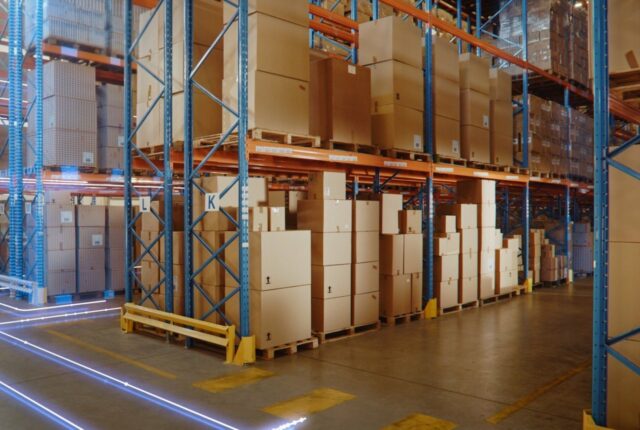
How 4PL Providers Integrate SAP Warehouse Systems Across Global Supply Chains
The Netherlands is built for global trade, but that also means Dutch supply chai
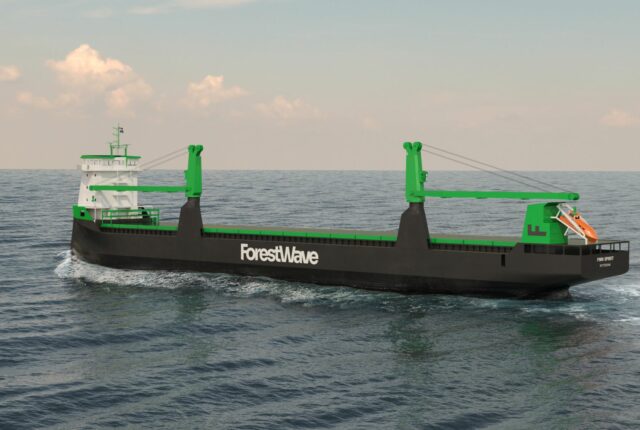
What is 4PL? How Dutch Businesses Benefit from End-to-End Logistics Solutions
In today’s fast-paced global economy, efficient logistics and supply chain man
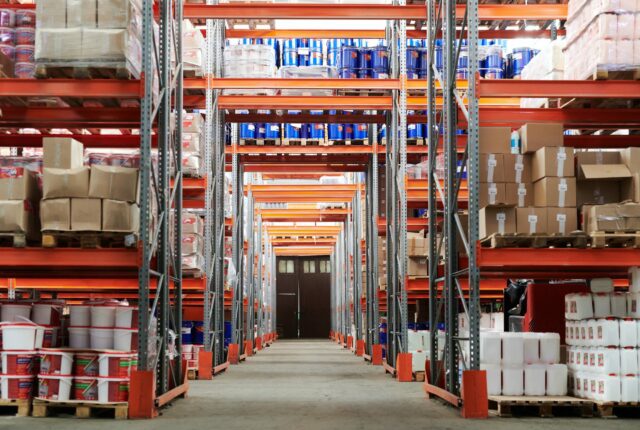
The Pros and Cons of 4PL Services: Is It the Right Choice for Your Business?
As businesses grow and expand, they face new challenges and complexities in mana
