




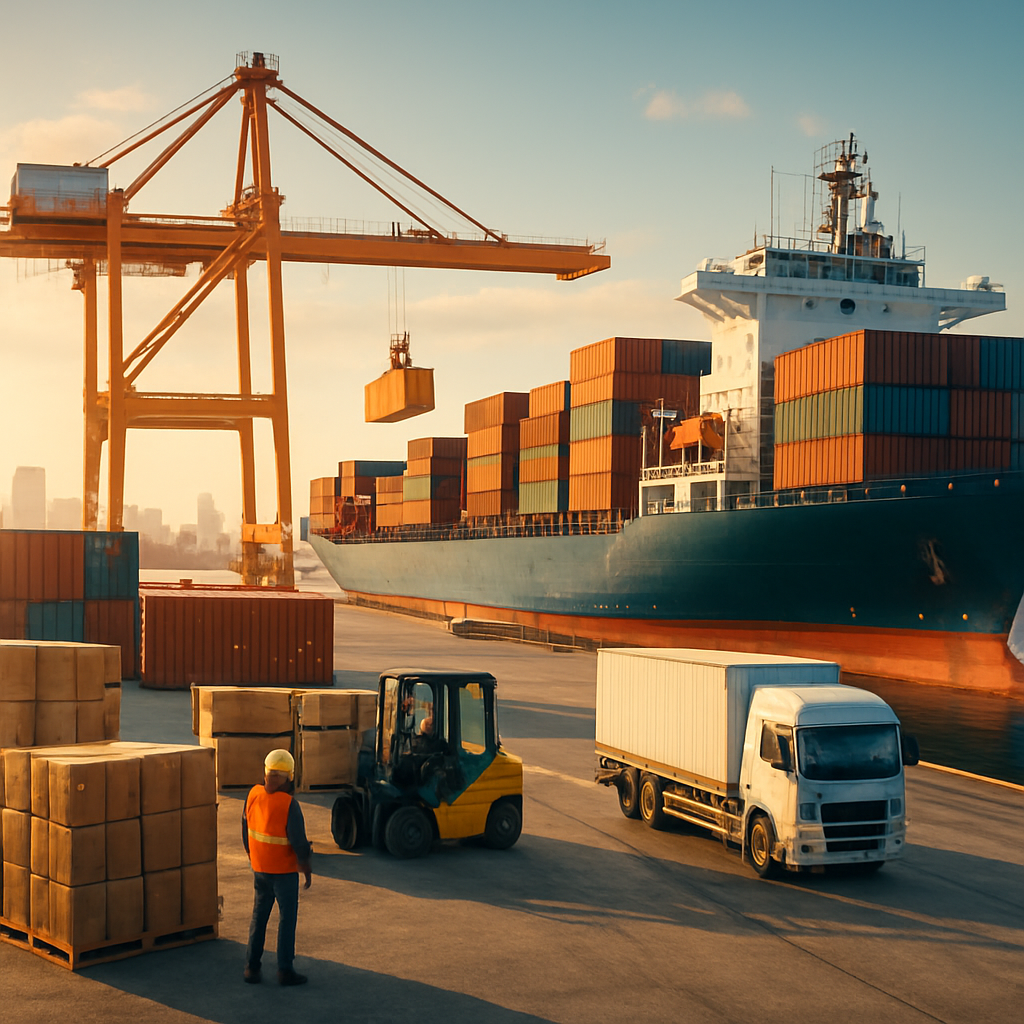
Domestic Cargo Transport in the Netherlands: What You Need to Know
Domestic cargo transport in the Netherlands is the backbone of national supply chains, moving hundreds of millions of tonnes of goods between ports, cities, and industrial hubs. For shippers, the challenge is less about finding capacity and more about choosing the right mix of modes, partners, and technology to keep costs predictable and service levels high. This listicle breaks down the key decisions you need to make before booking domestic freight and how expert support can de-risk every move.
1. Understand Domestic Cargo Transport in the Netherlands
Domestic cargo transport in the Netherlands spans road, inland waterways, rail, and short-sea lanes, each with different cost and performance profiles. Road offers fast, flexible coverage for palletized loads and local delivery options to urban centers. Inland barges and short-sea coastal transport support heavy bulk and container flows linking Rotterdam, Amsterdam, and secondary ports. Rail connects major industrial clusters where terminal access is efficient. Knowing which mode suits your lane, volume, and service requirements is the first step toward a resilient network.
2. Balance Cost, Transit Time, and Reliability
Most shippers juggle competing demands: tight delivery windows, margin pressure, and limited on-site storage. Road can typically achieve next-day delivery nationwide, but inland shipping may trim your per-tonne cost on repetitive high-volume routes. Rail and multimodal coastal freight options can be attractive where you have regular flows between the same hubs. The smartest approach compares total landed cost—including handling, waiting time, and demurrage—rather than just line-haul rates, especially when service failures disrupt production or retail availability.
3. Navigate Congestion, Green Zones, and Compliance
Congestion on Dutch highways and stricter environmental rules in major cities can upend even well-planned schedules. Low-emission and zero-emission zones restrict older vehicles, affecting last-mile access for time-sensitive goods. That’s where a mix of Euro 6 fleets, domestic coastal freight services, and barge links can reduce both delays and emissions. Accurate documentation—from CMRs to dangerous goods notes—cuts the risk of inspections and penalties. Experienced providers help you anticipate local rules and align your distribution model with evolving climate policies.
4. Use Technology for Real-Time Visibility and Planning
Modern Dutch freight operations rely on live data to stay ahead of disruption. GPS vehicle tracking, barge AIS data, and terminal status feeds let you monitor loads, recalibrate staffing, and provide realistic ETAs to customers. A robust transport management system can integrate orders, planning, and invoicing, while advanced tools support Netherlands coastal freight planning and exception management. Industry analyses consistently show that well-implemented digital platforms reduce empty miles, improve asset use, and lower logistics costs across the domestic network.
5. Choose a Logistics Partner That Understands the Dutch Market
Selecting the right provider is often the fastest path to better service and lower risk. Look for a partner with national coverage, strong ties to Rotterdam and inland terminals, and the ability to coordinate coastal shipping and local delivery where it adds value. A specialist like Domestic & Coastal in Netherlands can benchmark route options, align with your sustainability targets, and advise on door-to-door coastal delivery or port-to-port local cargo flows. To better understand modal shares and freight volumes, consult official Statistics Netherlands data at https://www.cbs.nl/en-gb.
- Clarify which domestic interstate freight options and lanes are most critical to your customer promise.
- Assess where coastal freight solutions or inland barges could lower costs without compromising lead times.
- Review your documentation processes to cut compliance risk and border or terminal delays.
- Evaluate whether your current provider offers integrated interstate shipping services and technology visibility.
- Benchmark your performance and emissions profile against national averages to identify quick wins.
If you’re ready to tighten control over domestic freight in the Netherlands—whether through tailored local delivery options, multimodal planning, or port-centric distribution—now is the time to speak with a specialist. Request a consultation and detailed quote to compare scenarios, uncover hidden cost drivers, and design a domestic network that supports your growth, reliability targets, and sustainability goals.

Related posts
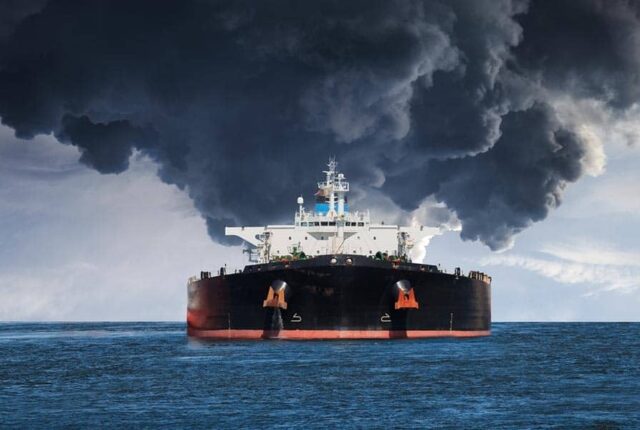
Cutting Carbon Emissions For the Shipping Industry Remains a Struggle
Cutting carbon emissions remains a struggle as sea shipping operators are under
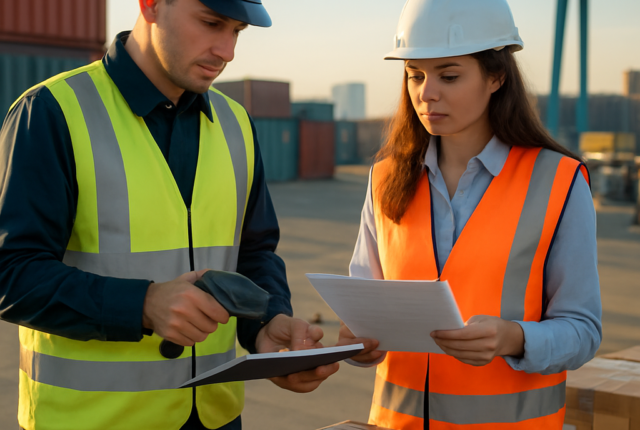
Navigating Import Customs Clearance in the Netherlands: 2026 Tips
Understand the rising risks in customs clearance in Netherlands for 2026. Learn
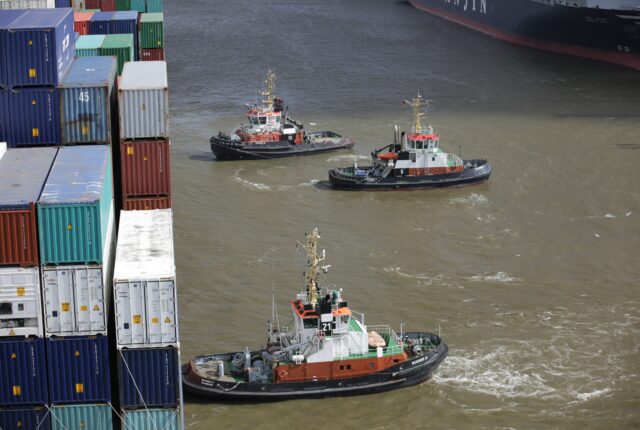
Shipping Containers Lost At Sea In Indonesian Waters
Due to heavy winds and high seas, 18 shipping containers were lost at sea off th
