




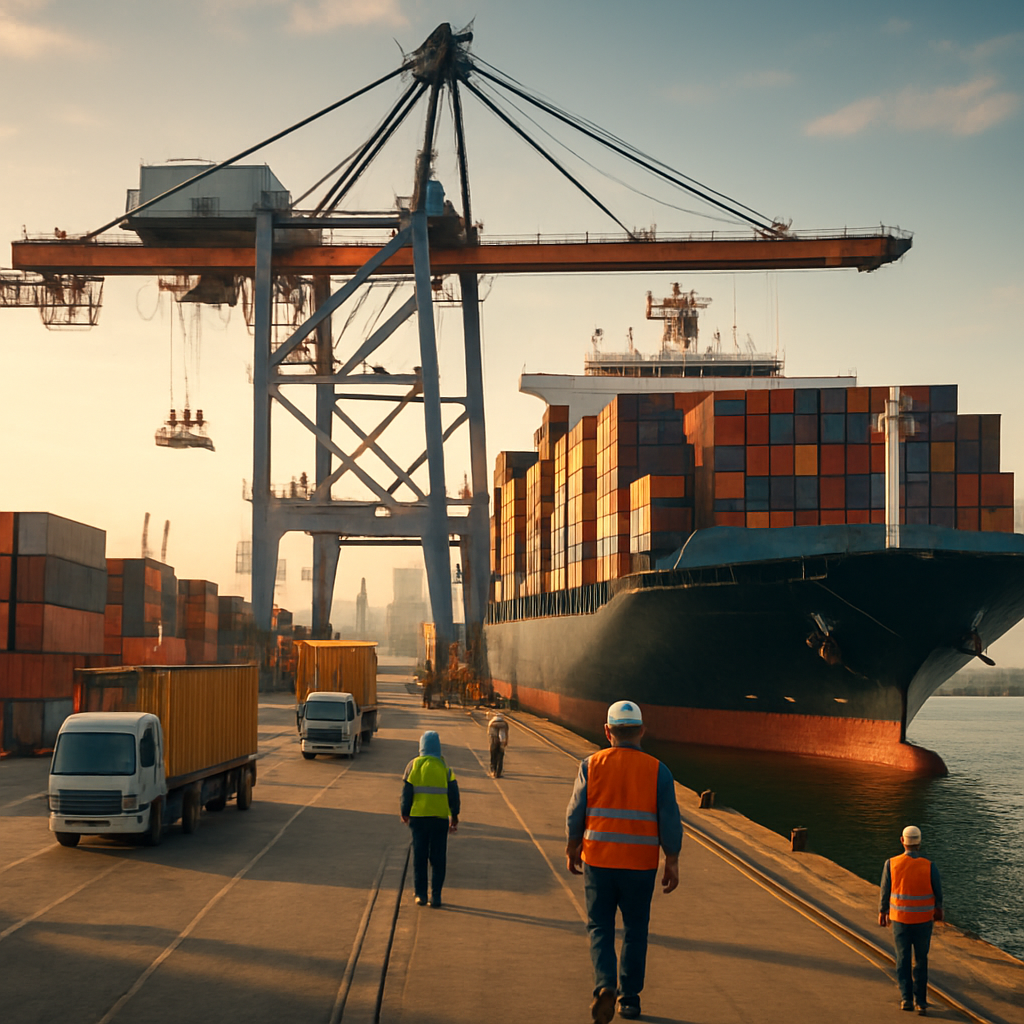
Understanding Sea Freight Services in the Netherlands for 2026
International shippers are reassessing their Ocean shipping logistics as 2026 approaches, and the Netherlands is at the centre of that conversation. With Rotterdam’s scale, expanding sustainability rules, and volatile global trade lanes, decision-makers need clear insights to protect margins and reliability. This list breaks down how to approach Sea Freight in Netherlands so you can reduce risk, control costs, and secure capacity with the right partners.
1. Understand Rotterdam’s Role in Your Network
Rotterdam’s deepwater access, rail links, and barge connections make it a powerful hub for US–EU trade, especially for time‑sensitive consumer and industrial goods. Companies weighing Netherlands container transport choices should compare transit times into Germany, France, and Central Europe against alternative gateways. Often, routing through Rotterdam shortens inland legs and cuts dwell time. Map your key lanes and ask providers for data on historical reliability, not just advertised schedules.
2. Plan for Capacity Swings and Rate Volatility
With demand growth and new vessels entering service, 2026 will likely bring shifting spot and contract markets. Shippers should evaluate Container shipping options that include multiple weekly sailings and carrier diversity to avoid being locked into a single line or alliance. Comparing container shipping services on flexibility, free time, and space guarantees can be as important as rate per TEU. Build scenario plans for diversions, congestion, or political shocks that can reprice lanes overnight.
3. Navigate EU Climate Rules and Compliance
The full rollout of the EU ETS for maritime means carbon costs will be firmly embedded in ocean invoices by 2026. That puts pressure on shippers to understand both charges and reduction levers, from Optimizing container loading strategies to shifting part of the journey to rail or barge. Forwarders that can explain Sea freight customs clearance steps alongside emissions reporting will be valuable partners. Check whether your providers offer route comparisons that factor in both CO2 and landed cost.
4. Use Data and Visibility to Control Risk
Advanced tracking, APIs, and control towers are now baseline expectations for Ocean shipping planning for Dutch freight. Real‑time visibility into ETAs, terminal status, and Customs documentation process helps teams cut demurrage and storage fees. Ask potential partners how they integrate International ocean cargo documentation with exception alerts during disruptions. Providers able to offer end-to-end ocean shipping coordination across ocean, barge, rail, and truck can sharply reduce manual chasing and blind spots.
5. Choose a Dutch Specialist, Not Just a Global Brand
Despite global networks, local expertise still determines how smoothly containers clear and move inland. Logistics teams should look closely at how partners manage Customs paperwork for sea freight, VAT handling, and last‑mile delivery options out of Rotterdam. Focusing on Sea Freight in Netherlands allows shippers to exploit strong barge and rail networks into Europe’s interior while maintaining predictable lead times. For an independent view of container market trends, the S&P Global shipping outlook provides useful rate and capacity analysis.
- Clarify your Ocean shipping logistics priorities: speed, cost, resilience, or sustainability.
- Audit your current Netherlands container transport choices and inland routings.
- Benchmark providers on visibility tools, EU compliance expertise, and port performance.
- Stress‑test your network design under disruption scenarios and capacity crunches.
- Engage a forwarder that can align strategy, pricing, and execution across the full route.
If you’re planning new trade lanes or reconfiguring existing ones into Europe, now is the moment to re‑examine your sea freight set‑up via the Netherlands. Speak with a Dutch‑focused logistics specialist who can review your flows, highlight hidden risks, and design a tailored routing strategy for 2026. Request a consultation or quote today to secure capacity, streamline operations, and turn your North Sea gateway into a long‑term competitive advantage.

Related posts
Sustainable Shipping: How Sea Freight Is Going Green
The shipping industry, often regarded as the lifeblood of international trade, h
Container Shipping Schedule On 20 Month High
Now life is slowly getting back to normality after COVID, the container shipping
Container Placement Challenges Reach ‘Impossible’ Levels
Shippers and forwarders could find it “impossible” to position containers in
