




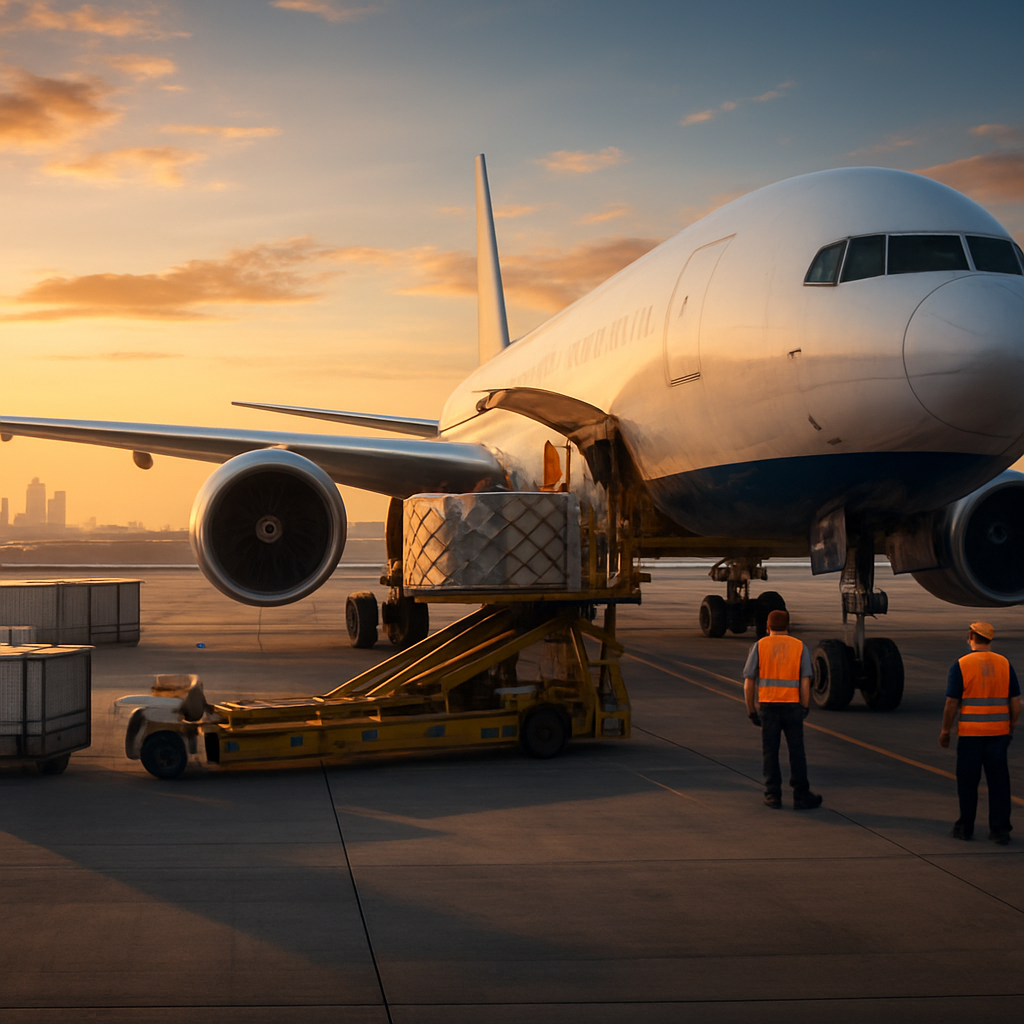
Understanding Air Freight Services in the Netherlands for 2026
Understanding air freight services in the Netherlands for 2026 is essential for businesses that rely on fast, reliable international transport. The Netherlands is a major European gateway, with Schiphol Airport in Amsterdam and Maastricht Aachen Airport handling a wide range of cargo. Companies shipping electronics, machinery, pharmaceuticals, or perishables such as flowers and food need clear visibility of processes, timelines, and compliance obligations to plan effectively and control risk.
What defines air freight services in the Netherlands?
Air freight in Netherlands is built around a dense network of global flight connections and highly developed logistics infrastructure. Schiphol is one of Europe’s largest cargo hubs, supported by specialised facilities for cold chain, high-value goods, and dangerous products. Maastricht Aachen Airport plays a complementary role for niche and charter operations. Together, they provide options for urgent shipment logistics, regular replenishment flows, and tailored project cargo solutions across multiple industries.
Infrastructure, technology, and service options
The Dutch logistics system integrates airports with efficient road, rail, and inland waterway links, allowing smooth multimodal transfers across Europe. Forwarders and airlines increasingly deploy digital platforms for booking, tracking, and exception management, which supports fast-track air cargo services and greater shipment transparency. Shippers can typically choose between express services, standard scheduled capacity, charter flights, and priority air freight solutions, depending on transit time needs and budget.
Regulations, sustainability, and risk management
Air freight services in the Netherlands operate under European Union rules that govern aviation security, customs procedures, and environmental standards. Compliance with customs documentation, export controls, and safety regulations is critical, particularly for logistics for critical cargo such as pharmaceuticals and hazardous materials. The Netherlands is also advancing sustainability initiatives, including sustainable aviation fuels and more efficient ground operations. Companies can review guidance from the European Commission on sustainable transport to understand evolving expectations at https://transport.ec.europa.eu/index_en.
Planning costs, transit times, and future trends
Understanding Air freight pricing factors helps businesses forecast budgets and negotiate effectively. Core elements in any air cargo cost breakdown include chargeable weight, shipment volume, route, handling fees, and fuel or security surcharges. For highly time-sensitive air cargo solutions, express shipment cost drivers like weekend uplift or late cut-off acceptance may apply. As e-commerce grows, demand for same-day air freight options and urgent air freight planning is expected to rise, while automation and AI will further optimise scheduling and capacity.
Before booking, shippers should compare service levels, reliability records, and available tracking capabilities, then align these with internal service commitments and inventory strategies. Companies looking to optimize urgent freight budgets should also consider transit time flexibility, consolidation options, and potential peak-season constraints. By working closely with experienced freight forwarders and staying informed about regulatory and sustainability developments, businesses can make better decisions and design resilient, compliant air cargo strategies. To deepen your understanding, speak with a logistics specialist and review current service options and processes step by step before your next booking.

Related posts
Sea Freight vs. Air Freight: Choosing the Right Mode for Your Cargo
In the world of logistics and international trade, one crucial decision can sign
Navigating Air Freight Customs Clearance in the Netherlands
Learn how air freight in Netherlands customs clearance is becoming a critical ri
The Role of Air Freight in the Netherlands’ Logistics Hub Status
The Netherlands stands as a beacon in global logistics, renowned for its excepti
