





Navigating Air Freight Customs Clearance in the Netherlands
Navigating air freight customs clearance in the Netherlands is becoming a critical risk area for importers, freight forwarders, and e‑commerce operators moving goods through Schiphol and other Dutch gateways. As EU security rules tighten and data requirements grow, many businesses still treat customs as a back‑office formality instead of a core part of Urgent shipment logistics and supply chain planning.
Navigating Air Freight Customs Clearance in the Netherlands
Customs clearance for air cargo into the Netherlands has shifted from paperwork exercise to high‑stakes data check. With the full rollout of ICS2 for air, Dutch Customs now screens advance shipment data before departure, meaning any gaps or inconsistencies are detected earlier and can halt freight before it even takes off. Companies relying on last‑minute data fixes, unclear product descriptions, or recycled templates are discovering that these habits translate into delays, extra inspections, and spiralling costs.
Why air freight customs clearance in the Netherlands is a growing risk
Schiphol’s role as a European hub makes the Netherlands attractive for regional distribution, but it also brings strict enforcement of EU customs, safety, and security rules. Importers using Air freight in Netherlands must manage detailed digital declarations, correct classifications, and origin documentation, often across multiple stakeholders. When customs rules are misunderstood, even carefully planned Time-sensitive air cargo solutions can be disrupted by holds, storage charges, or retroactive duty assessments that surface months after goods are delivered.
Common warning signs your air freight customs process is failing
Several early indicators suggest customs is becoming a hidden bottleneck rather than a smooth checkpoint. Frequent requests from Dutch Customs for additional invoices, certificates, or clarifications point to weak data quality. Rising warehouse and storage fees at airports often mask delays caused by mismatched airway bills and packing lists. Teams scrambling to explain duty differences between similar shipments may signal inconsistent tariff classification, while repeated last‑minute document changes reveal poor urgent air freight planning and governance around customs data.
- Late or incomplete ICS2 security filings submitted close to flight departure
- Discrepancies between commercial invoices, packing lists, and airway bills
- Unclear or incorrect customs procedure choices, such as free circulation or warehousing
- Missing or outdated permits for dual‑use, food, or animal‑origin products
- No structured internal review of brokers handling declarations and logistics for time-critical cargo
Structural causes behind clearance delays and extra costs
Most recurring issues trace back to fragmented trade data and unclear ownership of customs‑critical information. Product classifications, values, and origin proofs are often spread between sales, procurement, and external brokers, leading to improvised entries that crack under scrutiny. Misunderstanding complex EU rules—such as Union Customs Code procedures or AEO benefits—adds another layer of risk. Businesses focusing only on Air freight pricing factors and transit times may overlook how an incorrect code or missing license can derail managing time-sensitive shipments and distort any air freight cost breakdown they rely on.
What happens when customs problems are ignored
Ignoring customs risk can quietly erode the business case for using the Netherlands as a fast gateway. Delays trigger emergency re-routing, weekend overtime to correct declarations, and customer complaints as service‑level agreements slip. Over time, a pattern of holds and reassessments undermines confidence in priority air cargo services and makes cost-effective urgent freight harder to achieve. Official Dutch portals such as Business.gov.nl explain these obligations in detail, underscoring that compliance is a strategic requirement, not optional bureaucracy for optimizing urgent cargo routes or planning express air shipment pricing around Europe.
For organizations building or scaling operations around Schiphol, now is the moment to review customs data flows, broker management, and internal checks before volumes grow further. Map how information moves from sales orders to declarations, identify gaps, and benchmark against official Dutch Customs guidance on ICS2 and entry procedures. If your team sees recurring holds, unclear charges, or mounting admin work, speak with a customs specialist to assess your exposure, strengthen controls, and protect your logistics performance before problems become embedded in your network.

Related posts
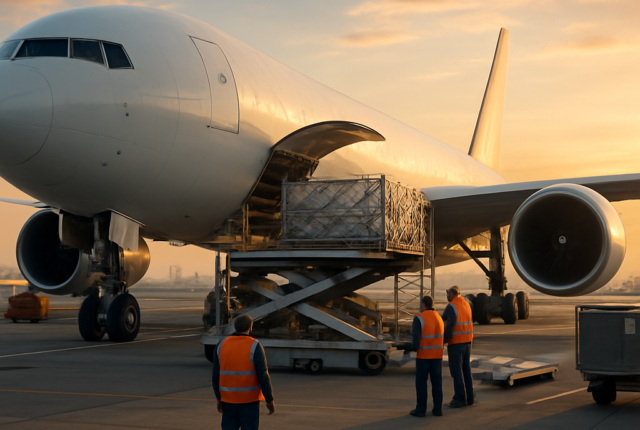
Door-to-Door Air Freight Services: A Comprehensive Guide
Learn how door-to-door air freight in Netherlands works, compare service levels,
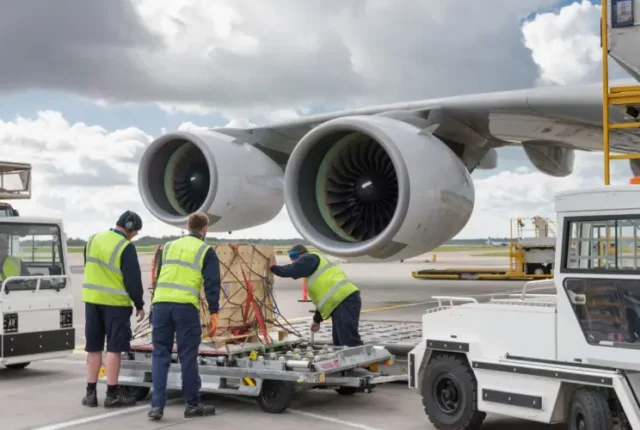
Air Freight Trends: Exploring the Impact of Global Trade on the Aviation Industry
In today’s interconnected world, global trade plays a significant role in
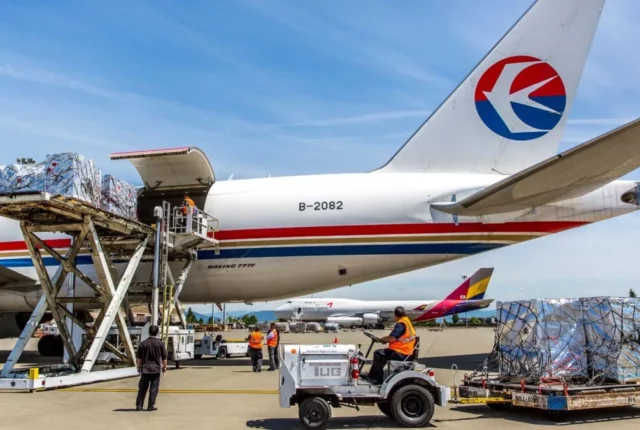
High-Flyer’s Guide: Navigating Peak Seasons in Air Freight
Air freight, a critical component of global logistics, experiences peak seasons
