




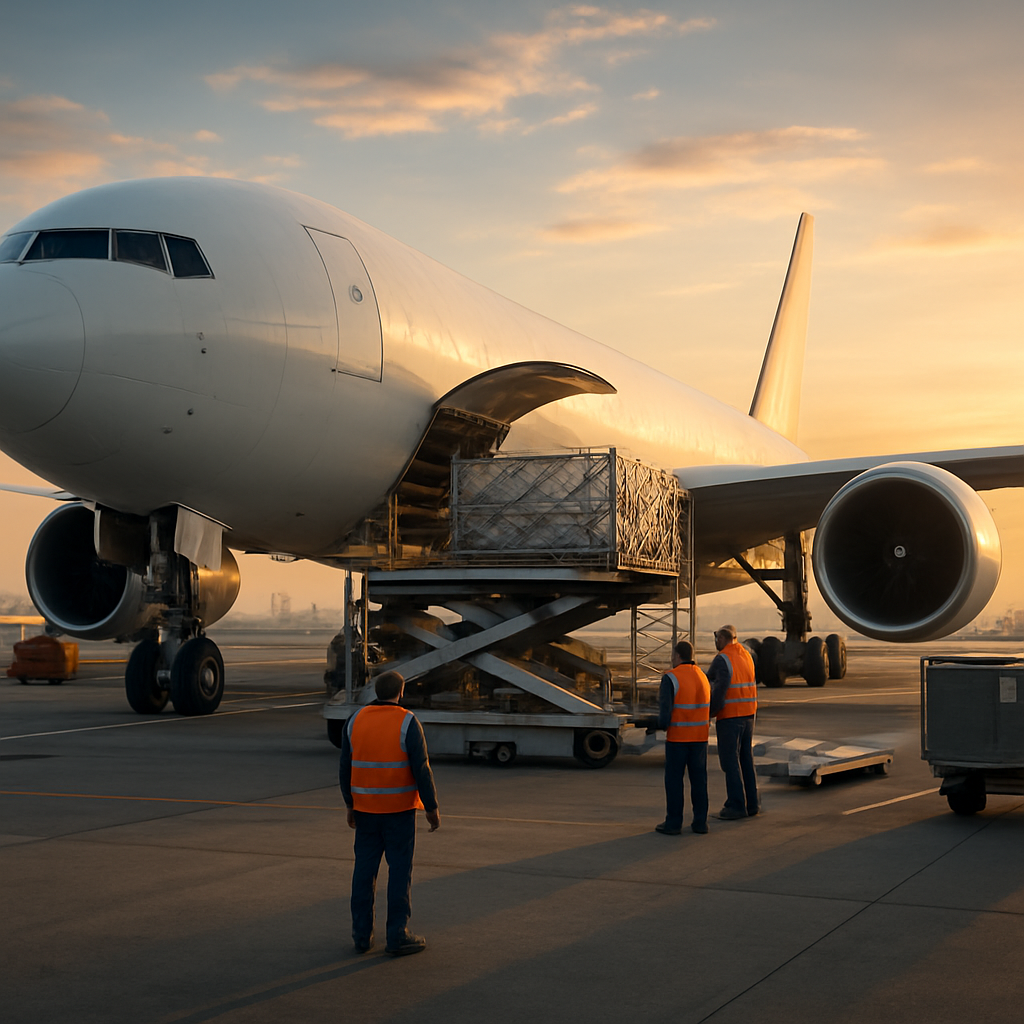
Door-to-Door Air Freight Services: A Comprehensive Guide
Door-to-door air freight in Netherlands is emerging as a preferred solution for companies that need faster, more predictable international transport than road or sea alone can offer. In 2024, shippers are looking for integrated options that combine airport handling, customs clearance, and local pickup and delivery into one managed service, especially for urgent shipment logistics and high-value goods. This guide outlines the main service models, cost drivers, and decision points to help logistics managers choose the most suitable approach for their network.
What Door-to-Door Air Freight Covers
Door-to-door services typically bundle collection at the shipper’s site, export handling, flight transport, import clearance, and final delivery to the consignee. For many businesses, this is attractive because it simplifies communication, reduces handovers, and improves accountability. Providers in Schiphol’s ecosystem offer time-sensitive air cargo solutions that range from standard economy products to premium tiers with tighter delivery commitments. The trade-off is cost: higher service levels and tighter delivery windows inevitably carry a premium over more flexible options.
Service Levels and When to Use Them
Standard door-to-door air freight is suitable when transit times of two to five days are acceptable and shipment value justifies air versus sea or road. Same-day urgent air freight or overnight products are better reserved for production line stoppages, medical supplies, or contract-critical deliveries. Some carriers now package express time-critical air cargo with value-added services such as temperature control or on-board courier escort. Understanding your critical shipment routing options helps you match the operational risk of delay against the incremental cost of faster services.
Costs, Surcharges, and Transparency
Air freight pricing factors usually include chargeable weight, lane distance, service level, and any special handling requirements. To manage budgets, many shippers now ask providers to compare air freight cost drivers like fuel surcharges, security fees, and last-mile delivery charges line by line. A transparent air freight cost breakdown is particularly important when multiple stakeholders share the same logistics budget. Industry bodies such as the International Air Transport Association explain global rules that underpin many tariffs and surcharges at https://www.iata.org, helping teams benchmark offers more accurately.
- Clarify transit time windows and delivery guarantees before booking.
- Check cut-off times for collection and export on your preferred days.
- Verify customs support, including document preparation and fiscal representation.
- Assess whether providers can optimize urgent cargo planning across multiple origins.
- Request priority air freight rate planning scenarios for both regular and peak seasons.
For complex shipping profiles, door-to-door urgent air freight options can be combined with deferred services to balance cost and risk across your portfolio. Many Dutch exporters now run mixed strategies in which regular replenishment moves on economy services, while exceptions travel on faster products. This allows planners to keep flexibility for spikes without overpaying on routine flows. To deepen your understanding of Air freight in Netherlands and how it fits into broader supply chain design, consider speaking with an independent freight adviser who can benchmark multiple providers. A short consultation can help you shortlist partners, model scenarios, and choose the right solution for the year ahead.

Related posts
The Price of Speed: Balancing Costs and Benefits in Air Freight
In the world of air freight, the need for speed often takes center stage. Busine

Airborne Agility: Key to Emergency Logistics Success
In today’s fast-paced world, the ability to respond quickly and efficientl
Express Air Freight Delivery: Meeting Urgent Needs in 2026
Explore how express air freight delivery in 2026 helps global shippers manage ur
