




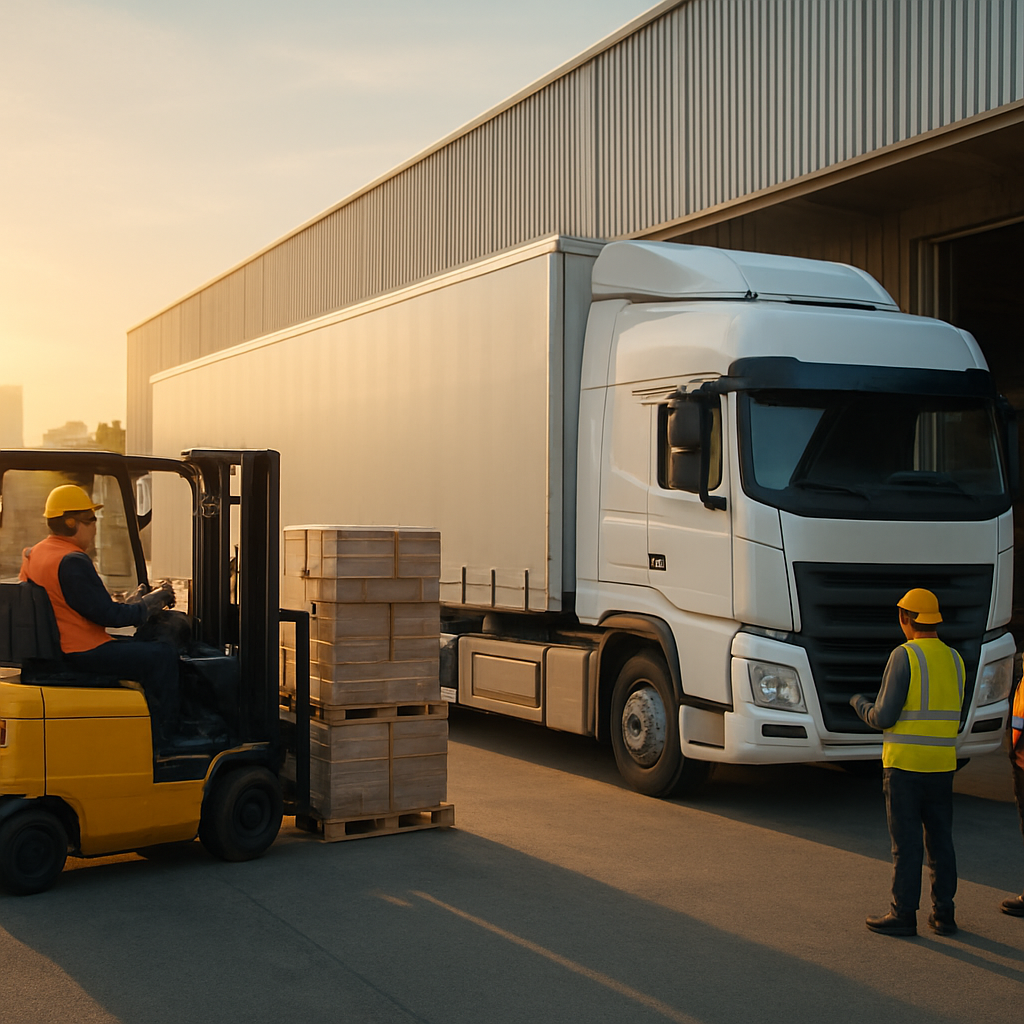
Understanding Road Freight Services in the Netherlands for 2026
Road Freight in Netherlands is changing fast as shippers look ahead to 2026. Rising costs, tighter green rules, and persistent capacity challenges are reshaping how importers and exporters plan their freight transportation services. Understanding these shifts now will help you lock in capacity, control spend, and protect service levels in a more complex operating environment.
1. Budget for Rising Transport Costs in 2026
Non-fuel operating costs for Dutch carriers are forecast to rise sharply, driven by wage growth, equipment prices, and regulations. When you factor in tolls and energy, some lanes could see double-digit year-on-year increases. Shippers relying on fixed annual tariffs may face shorter contract terms and more indexation clauses. Building flexible budgets and scenario planning into your logistics and shipping solutions will be critical to avoid unpleasant surprises.
2. Plan Routes Around New Tolls and Green Rules
A planned kilometre-based truck toll, with incentives for zero-emission trucks, will influence route design and pricing. Carriers may shift flows between day and night or select alternative corridors to minimise toll exposure. At the same time, expanding low-emission zones in Dutch cities will affect last‑mile cargo delivery options. Shippers should review how these rules impact total landed cost, service times, and fleet choices on key trade lanes.
3. Secure Capacity with Reliable, Tech-Enabled Partners
Even with softer volumes in some sectors, structural driver shortages and higher asset costs keep capacity tight. Last‑minute or irregular road freight transportation services will command premium rates and may be harder to secure during peak periods. Long‑term agreements, accurate demand forecasts, and collaborative planning with carriers can improve resilience. Many netherlands freight transport solutions also combine road with rail or barge to stabilise capacity on port‑related flows.
4. Treat Visibility and Data as Core Requirements
Shippers now expect real‑time tracking, automated alerts, and digital proof of delivery across their road cargo delivery options. Providers that integrate via APIs or EDI into your transport management system can support stronger control towers and better reporting. Rich, standardised data enables more accurate ETA predictions, exception management, and carbon accounting. It also allows you to benchmark performance across international road logistics solutions and drive continuous improvement.
5. Use the Netherlands as a Strategic Logistics Gateway
The country’s dense hinterland connections and world‑class ports still give it a powerful strategic edge. Well‑located cross-docks and distribution centres can support door-to-door freight transport across Benelux, Germany, and France with short lead times. Companies coordinating european logistics and shipping solutions increasingly centralise inventory in Dutch hubs to improve responsiveness. As you review Road Freight in Netherlands, consider partners with strong port know‑how and cross-border cargo delivery services.
- Assess your 2026 transport budget now and stress‑test key lanes against projected cost increases.
- Map how tolls and low‑emission zones could affect your network design and service promises.
- Prioritize carriers offering digital visibility, stable capacity, and cost-effective road cargo options.
- Explore consolidation, cross‑dock strategies, and netherlands freight transport solutions centred on Rotterdam.
- Use independent data sources such as the European Commission’s Eurostat road transport statistics at https://ec.europa.eu/eurostat to benchmark performance and regulation trends.
If you’re planning tenders or redesigning your network for 2026, our specialists can help you evaluate cargo delivery options, optimise routes, and negotiate capacity with trusted carriers. Request a consultation today to review your Road Freight in Netherlands strategy, compare netherlands freight transport solutions, and build a more resilient, cost‑efficient transport plan for the years ahead.

Related posts
Impact of E-Commerce Growth on Logistics Companies
The impact of e-commerce growth on Logistics companies in recent years has been
Challenges Facing the Road Freight Sector in the Netherlands
The Netherlands, a pivotal hub in European logistics, has a road freight sector
Innovations Driving Efficiency in Netherlands Road Freight
The road freight sector in the Netherlands is undergoing a significant transform
