




Understanding Warehousing Services in the Netherlands for 2026
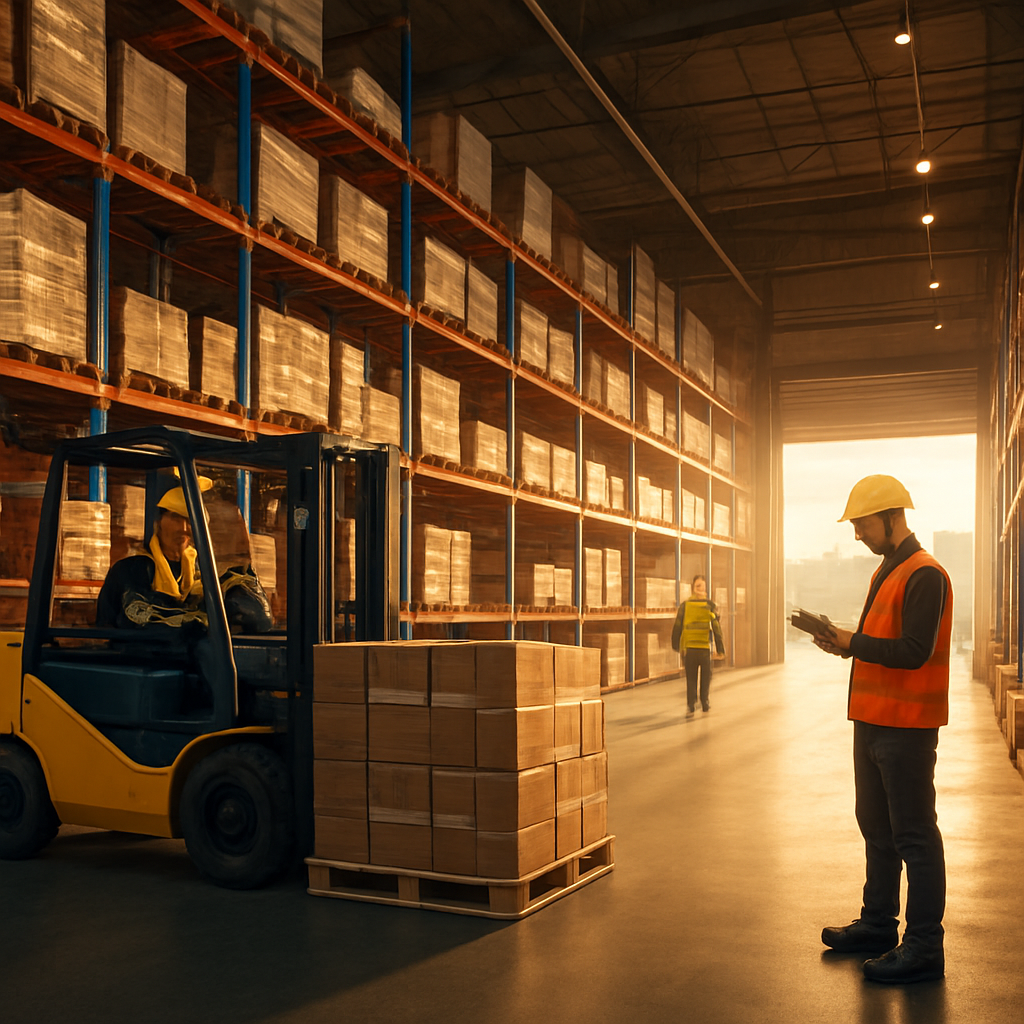
Understanding Warehousing Services in the Netherlands for 2026 is becoming critical for shippers seeking resilient European footprints. With new regulations, shifting capacity, and rising customer expectations, decision-makers need clear guidance on how Dutch facilities can support growth while controlling risk and cost. This listicle outlines five practical factors to consider as you refine your 2026 logistics strategy and evaluate partners for Warehousing in Netherlands.
1. Strategic Location for Fast European Reach
The Netherlands offers a gateway into Western and Central Europe, anchored by the Port of Rotterdam and Amsterdam Schiphol Airport. From a single Dutch hub, many brands can serve over 170 million consumers within 24 hours by truck. This reach supports distribution network optimization for ecommerce, retail, and industrial shipments. When comparing sites, assess transit times to your key markets and how the provider supports Netherlands logistics planning across road, rail, barge, and air.
2. Advanced Services and Automation Capabilities
By 2026, warehousing services in the Netherlands will lean heavily on automation, robotics, and real-time data. Many facilities already provide value-added services such as returns handling, kitting, labeling, and bonded storage under a single contract. For brands scaling cross-border sales, 3PL inventory control and strong IT integration with your ERP or e-commerce platforms are essential. Ask potential partners how their warehouse inventory strategies support omnichannel models and reduce manual touchpoints.
3. Sustainability Standards and ESG Reporting
Dutch warehouses are at the forefront of green building and emissions tracking, with solar roofs, LED lighting, and EV-ready yards becoming standard. This shift is driven by EU climate rules and corporate ESG commitments. Shippers seeking supply chain efficiency increasingly favor facilities that can provide auditable emissions data and certifications. Reviewing how a provider approaches Dutch supply chain planning, energy usage, and waste management can help you future-proof compliance and stakeholder reporting.
4. Cost Dynamics, Capacity, and Risk Management
While labor and energy prices are pushing overall logistics budgets higher, vacancy in logistics real estate has eased pressure in some Dutch regions. This mix creates room to negotiate contract length, automation investments, and inventory storage options if you plan ahead. Comparing proposals should go beyond pallet rates to include total landed cost and Netherlands warehouse efficiency. Independent benchmarks such as the World Bank’s Logistics Performance Index at https://lpi.worldbank.org can help validate national performance.
5. How to Select the Right Dutch Warehousing Partner
Choosing a provider is no longer just about square footage. Investigate their experience in your sector, track record in ecommerce fulfillment logistics, and ability to flex labor and space in peak seasons. Strong logistics management solutions should combine optimized storage logistics with clear KPIs on accuracy, speed, and safety. Look for partners who can support long-term Netherlands logistics planning while giving you visibility to adapt your distribution network as markets shift.
- Clarify your 2026 growth markets and transit-time goals before shortlisting sites.
- Map your SKUs and order profiles to define the right inventory storage options.
- Assess IT integration capabilities for real-time stock visibility and 3PL inventory control.
- Review ESG reporting needs and how each provider tracks emissions and energy use.
- Compare total cost-of-service scenarios, not just rack rates, to improve supply chain efficiency.
If you are planning new or expanded warehousing services in the Netherlands for 2026, our logistics specialists can help evaluate scenarios, design tailored warehouse inventory strategies, and model cost-to-serve across Europe. Contact our team today to request a consultation and explore how a customized Dutch solution can support your distribution network optimization and long-term growth objectives.

Related posts
Urban Warehousing in the Netherlands: Solving the Last-Mile Delivery Challenge
Urban warehousing has become a critical component in addressing the challenges o
Why SAP Warehouse Solutions Are Becoming Essential for European Warehouse Logistic
If you run a European distribution operation, you already feel the pressure: tig
How Sustainable Warehousing is Changing Logistics in the Netherlands
The Netherlands has long been a global leader in logistics and supply chain mana
