




FTL Truckload Shipping: Key Insights for Dutch Businesses
FTL Truckload Shipping: Key Insights for Dutch Businesses
Understanding FTL Truckload Shipping in the Dutch Market
FTL truckload shipping is becoming a strategic tool for Dutch companies that move high volumes between national hubs and key European corridors. In the Netherlands, Road Freight in Netherlands connects industrial zones, inland terminals, and major gateways such as Rotterdam and Schiphol with surrounding consumer markets. With an entire trailer dedicated to one shipper, FTL suits time-critical replenishment, fragile or high-value products, and stable production flows. Compared with shared-capacity models, it offers more predictable scheduling and a tighter link between transport planning and inventory management.
How FTL Compares with Other Road Freight Solutions
Companies typically weigh FTL against a spectrum of freight transportation services including LTL, groupage, and intermodal. LTL and groupage reduce cost for small consignments but add handling points, making them less ideal for sensitive or urgent freight. Intermodal services, which combine road with rail or barge, are useful on longer lanes where emissions and fuel costs are under scrutiny. For shippers evaluating european logistics and shipping solutions, FTL often becomes the preferred mode once shipment size, delivery windows, and damage risk cross a certain threshold.
Choosing the Right FTL Strategy and Provider
Selecting an FTL partner is less about chasing the lowest rate and more about balancing reliability, visibility, and flexibility across your network. Dutch manufacturers and retailers increasingly expect real-time tracking, proactive delay alerts, and data that can feed into planning tools and warehouse systems. Providers that can integrate FTL cargo delivery options with warehousing, customs support, and cross-border freight transportation into Germany, Belgium, and France tend to deliver smoother operations. Sustainability credentials matter too, with Euro 6 fleets, alternative fuels, or pilot electric trucks helping companies align transport with ESG goals.
- Use FTL on stable trunk routes between Dutch DCs and regional hubs to anchor your road freight transportation services.
- Combine FTL with flexible cargo delivery options for seasonal peaks and promotional campaigns.
- Align FTL planning with demand forecasts to reduce safety stock while maintaining service levels.
- Leverage door-to-door cargo delivery to streamline handovers between production sites, DCs, and final-mile partners.
- Consult European Commission mobility resources at https://transport.ec.europa.eu/index_en for regulatory and sustainability guidance.
For Dutch businesses exploring netherlands road logistics solutions, the next step is to map current b2b freight shipping options against service requirements such as lead time, damage tolerance, and cross-docking needs. FTL can also complement international truck cargo delivery strategies by serving as the backbone between seaports, airports, and inland distribution centers. By comparing providers on route density, digital capabilities, and ability to scale, shippers can identify FTL partners that fit long-term growth plans. To make an informed decision, speak with a specialist who can benchmark your flows, model different logistics and shipping solutions, and design an FTL roadmap that matches your budget and operational risk profile.

Related posts
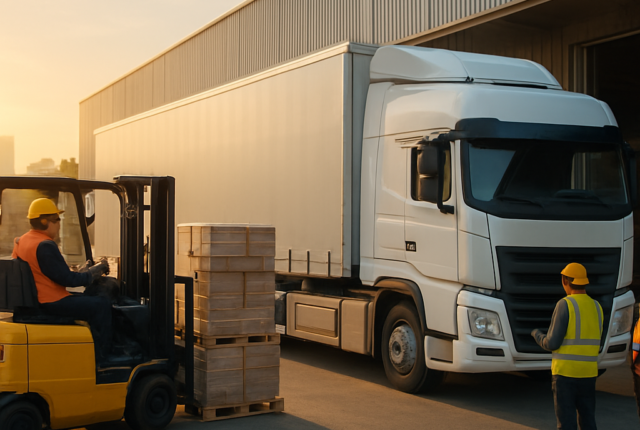
Understanding Road Freight Services in the Netherlands for 2026
Discover how Road Freight in Netherlands is evolving for 2026, from rising costs
The Role of Artificial Intelligence in Road Freight Optimization
The logistics industry plays a vital role in the global economy, ensuring the ef
Road Freight Resilience: Coping with Supply Chain Disruptions
In today’s interconnected world, supply chain disruptions have become an u
