




Hazmat Transport Services: What Dutch Businesses Need to Know
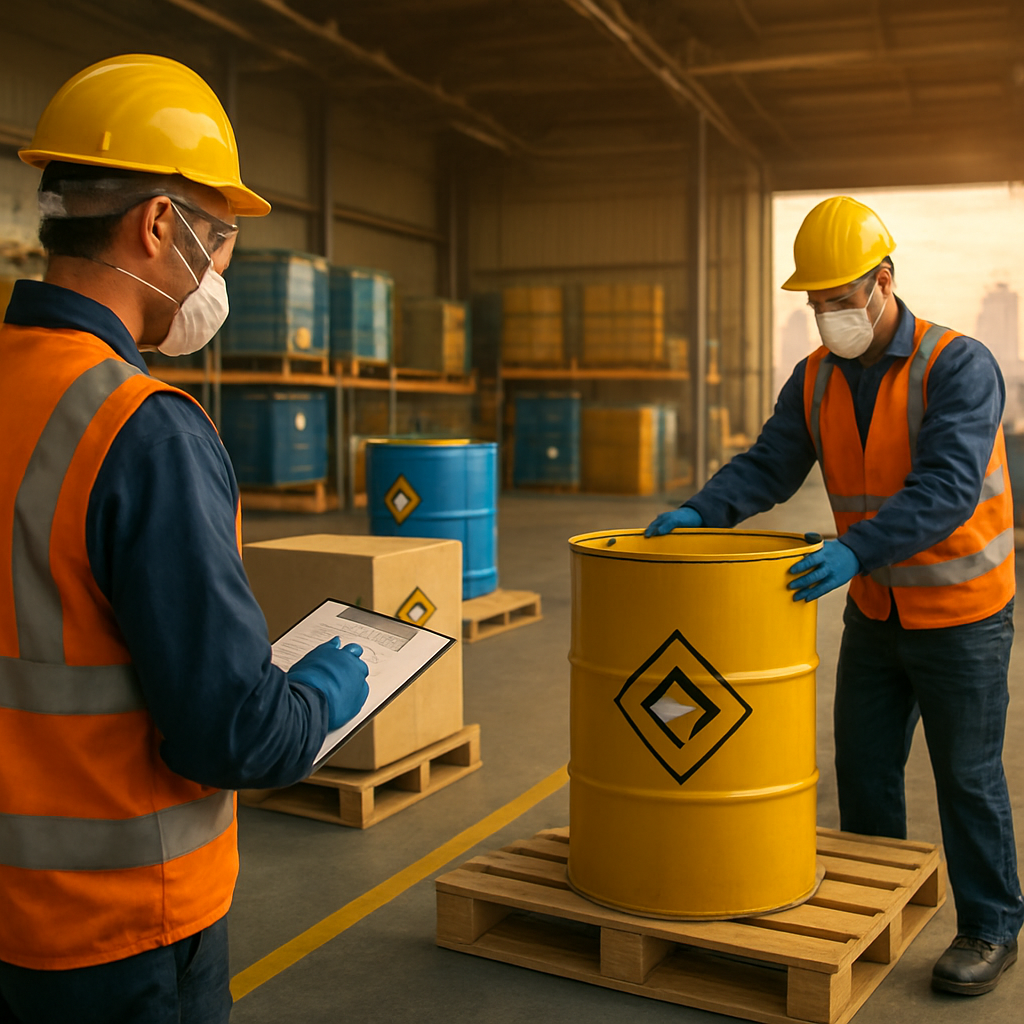
Hazardous Goods in Netherlands move through one of Europe’s busiest logistics corridors, forcing Dutch businesses to treat compliance and risk mitigation as core operational priorities rather than back-office tasks. As volumes of chemicals, gases, and other risky substances increase, companies must navigate complex shipping regulations for chemicals while keeping costs and delays under control. The result is a growing focus on specialist hazmat transport services that combine regulatory expertise, technology, and dedicated equipment.
Understanding Hazmat Transport Services in the Dutch Market
In the Netherlands, hazmat transport spans road, rail, air, and sea, and each mode is governed by a different set of EU chemical transport rules. Operators must classify products, assign UN numbers, and apply compliant packaging, labels, and documentation for every journey. Beyond the law, Dutch hazardous freight safety expectations are high due to the density of urban areas and critical infrastructure. This drives demand for providers with proven hazmat logistics safety standards and established emergency response networks across the main corridors.
Service Models and Solution Options for Dutch Businesses
Businesses typically choose between three broad models: fully outsourced hazmat logistics, niche specialists, or hybrid setups. Full-service providers handle everything from dangerous materials handling and route planning to customs and safety reporting, ideal for companies with limited in-house expertise. Niche specialists focus on specific product classes or routes, such as bulk chemicals through Rotterdam’s port. Hybrid models suit firms with internal compliance teams that manage documentation and regulatory compliance for dangerous goods while relying on external carriers for physical movements and multimodal transfers.
How to Compare Providers and Manage Risk
Evaluating potential partners starts with their regulatory track record, audit history, and adherence to dangerous goods transport guidelines under ADR, RID, ADN, IMDG, and IATA. Dutch shippers should ask detailed questions about safety protocols for transport, driver training, and incident statistics over the last several years. Technology is another differentiator: real-time tracking, digital documentation, and automated alerts support compliant chemical shipping procedures and faster decision-making in a crisis. Contracts should spell out response times, communication chains, and liability to ensure safe handling of hazardous cargo even under stress.
- Check whether providers employ a certified Dangerous Goods Safety Advisor (DGSA).
- Confirm their experience with your specific UN numbers and chemical cargo handling best practices.
- Review emergency drill schedules and coordination with local Dutch authorities.
- Assess IT systems for tracking, documentation, and exception management.
- Verify insurance coverages and how claims are handled after incidents.
As product portfolios expand or routes become more complex, relying on general freight carriers can expose gaps in hazmat expertise and monitoring. Consulting a DGSA or hazmat specialist helps map legal obligations and align operations with authoritative references such as the European Chemicals Agency’s guidance on safe transport of dangerous goods at https://echa.europa.eu. For many operators, periodic external reviews of processes and partners provide a realistic check on evolving risks and ensure their systems keep pace with modern expectations for compliant, resilient hazmat transport. To move forward, Dutch businesses should map current flows, compare specialist providers, and book a consultation with an expert who can benchmark their operations and recommend the safest, most efficient transport strategy.

Related posts

Battery-Powered Ships funded By Norwegian Government
The Norwegian government was to reach net zero carbon emissions across all indus

Miss the Rush, Buy Christmas Presents Now!
Buy Christmas presents now to avoid delays in shipping experts warn. The COVID-1
What is the Harmonised System of Codes in Respect of Trade Goods?
The Harmonised System is a framework of codes and descriptions used to identify
