




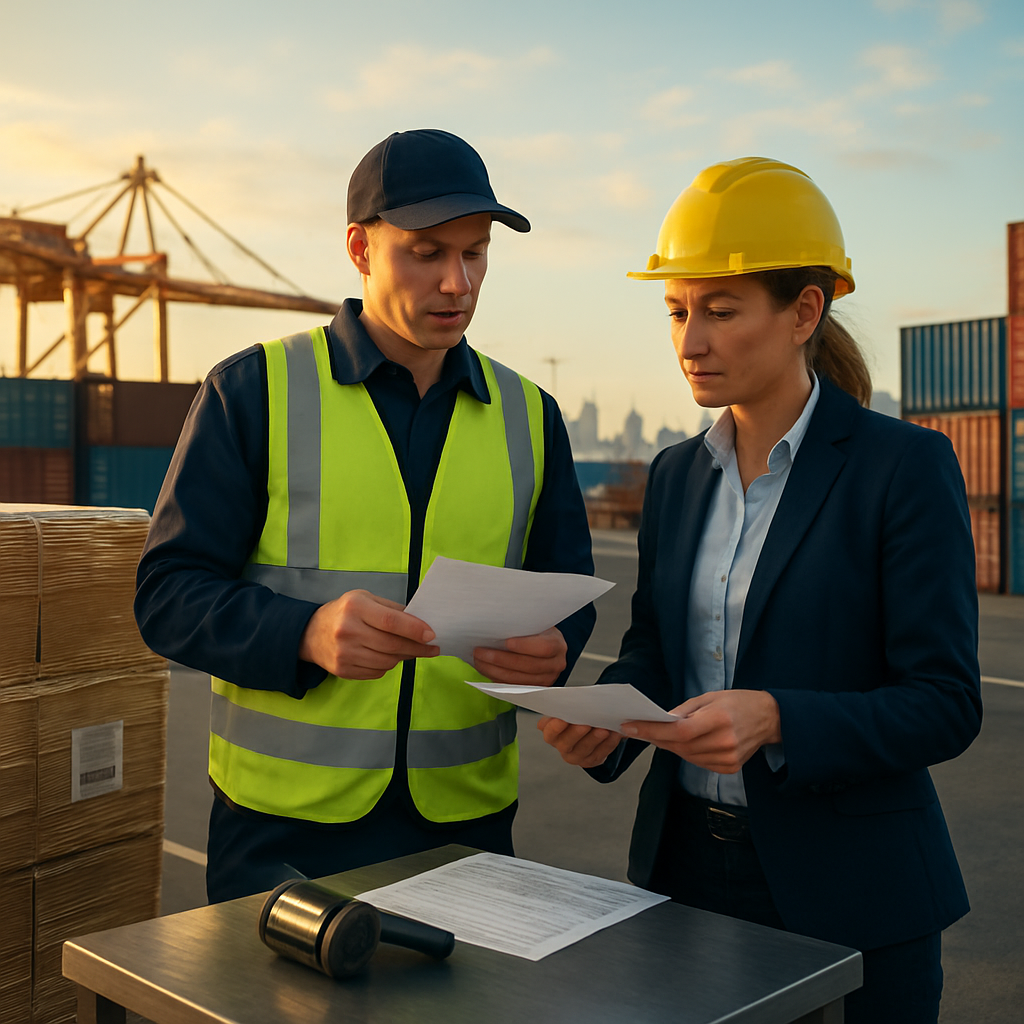
Cross-Border Customs Clearance: What Dutch Importers Need to Know
Dutch importers know that cross-border customs can feel uncertain and high-risk, especially when every delay or unexpected fee eats into tight margins. Understanding Customs Clearance in Netherlands is one of the most effective ways to regain control over timelines, costs, and compliance. When you work with a transparent, expert partner, you can turn complex rules into a predictable, well-managed process that supports your international growth.
“Effective customs clearance is not just about moving freight; it is about protecting your cash flow, your reputation, and your customer promises on every import.”
Cross-Border Customs Clearance: Key Basics Dutch Importers Can Trust
Reliable cross-border customs clearance starts with getting the fundamentals right every single time. A trusted provider will classify your products correctly under the HS system, verify origin, and calculate duties and VAT accurately, in line with EU import export rules. They should also explain how import export regulations affect your particular industry, from consumer goods to specialised machinery. By documenting their internal quality checks and escalation paths, they give you confidence that mistakes are caught before they reach customs, not after.
What You Should Prepare Before Goods Reach the Dutch Border
Trust is built when your partner guides you step by step through the customs documentation process rather than leaving you to guess what is required. You should know exactly which shipping documents for customs are needed—commercial invoices, packing lists, transport bills, certificates of origin, or product licenses. A competent team will review Dutch customs paperwork in advance, highlight any gaps, and explain the consequences in clear terms. That proactive support reduces the risk of last-minute holds and helps you forecast arrival dates more confidently.
Managing Duties, VAT, and Regulatory Risk with Confidence
Many importers worry about unexpected assessments, back payments, or penalties related to VAT and duties compliance. A credible customs specialist will walk you through Netherlands customs procedures, including how tariff classification, origin, and trade agreements influence your costs. They should help you evaluate deferred VAT options and align your internal records with border clearance documentation, so your finance and logistics teams work from the same, audit-ready data. Clear explanations of trade compliance for imports also help your stakeholders understand why certain choices minimise long-term risk, not just short-term expense.
For regulated products—such as chemicals, food, or dual-use items—your provider should explain international shipping compliance in plain language and outline any export licensing requirements that may affect your supply chain. Referencing authoritative sources, such as the European Commission’s guidance at https://taxation-customs.ec.europa.eu, is another sign of professionalism and up-to-date expertise. When your logistics partner shares their procedures, training standards, and AEO or similar credentials openly, you can see how they protect your brand and keep your cargo moving smoothly.
If you want a clearer picture of how structured Customs Clearance in Netherlands can support your next shipments, our specialists are ready to help. We will review your commodity codes, routes, and risk areas, then design a tailored approach that keeps costs predictable and compliance robust. Speak with our team today to ask questions, validate your current processes, and plan a customs strategy that lets you trade across borders with confidence.

Related posts

Maritime Regulator Sets Carbon Measures Amid Dissent
The world’s top maritime regulator has agreed to a plan to cut the “carbon-i

Most Companies Kept Supply-Chain Sustainability Goals Despite Covid-19
Companies largely maintained their focus on supply-chain sustainability goals in
Tax Incentives Available to Ship Operators
There are a range of tax incentives that may be available in respect of operatio
