




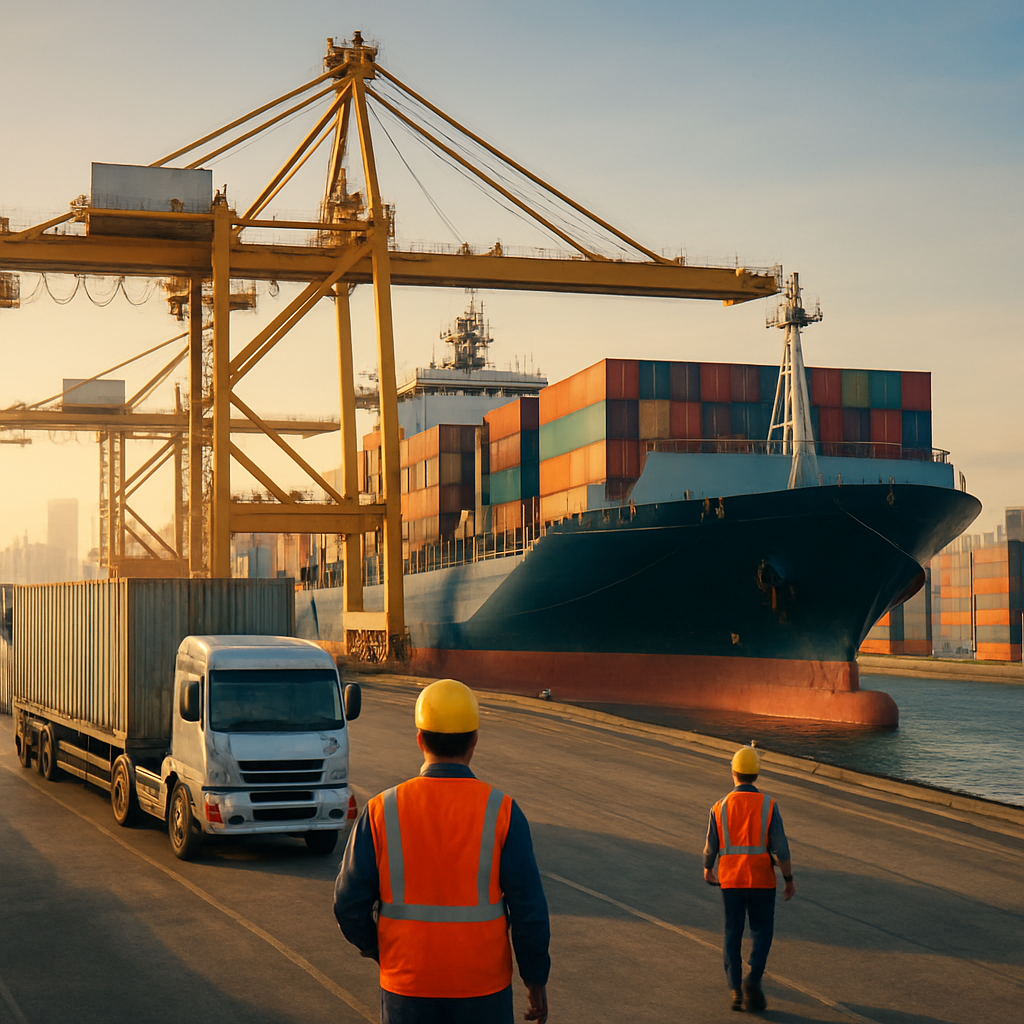
LCL Sea Freight Shipping Explained: A 2026 Guide
LCL sea freight shipping in 2026 is no longer a second-best choice; it is a strategic tool for trade-led growth. Less than Container Load models allow businesses to move smaller, more frequent orders while preserving cash and inventory agility. For companies relying on Sea Freight in Netherlands and other European gateways, LCL enables market testing, shorter planning horizons, and a smoother response to demand volatility across global lanes.
In 2026, the most resilient supply chains treat LCL sea freight shipping as a designed capability, not an emergency workaround.
Forwarders now blend LCL with other container shipping options to orchestrate cost, speed, and risk across complex portfolios. Smart shippers use this mix to right-size shipments, protect margins, and support omnichannel fulfilment without overcommitting to full containers. The result is a more nuanced approach to ocean shipping logistics, where volume, service reliability, and market uncertainty are balanced lane by lane.
LCL Sea Freight Shipping: How the Model Works in 2026
In LCL sea freight shipping, cargo from multiple customers is consolidated into a single container at origin, moved on a scheduled service, then deconsolidated at destination. Digital booking platforms now automate rate discovery, space booking, and milestone tracking, making it easier to coordinate complex flows. For Dutch and European traders, Ocean shipping logistics for Dutch importers increasingly relies on data-driven consolidation plans and predictable cut-off times to keep inventory moving.
Strategic Trends and Decisions Shaping LCL in Modern Supply Chains
The most important shift is that LCL is being engineered into network design rather than left to ad hoc decisions by local teams. Leaders are comparing container shipping options Netherlands wide, looking beyond headline rates to assess handling costs, dwell times, and exposure to disruption. Many are standardising packaging to enable more flexible LCL container shipping options while improving containerised ocean freight planning across regional and intercontinental routes.
Regulatory complexity adds another dimension, with the customs documentation process and port-specific rules exerting real impact on landed cost. Shippers increasingly seek end-to-end customs documentation support so that customs paperwork and clearance steps do not erode the benefits of agile, smaller loads. Resources such as the World Shipping Council at https://www.worldshipping.org/ help decision-makers benchmark practices, review policy changes, and refine optimising ocean freight logistics routes.
To stay ahead, executives should formally review their LCL portfolio, focusing on trade lanes where variability and service risk are highest. Assess which products justify full-container commitments and where LCL sea freight shipping can unlock faster market learning and better cash conversion. Then align your providers, digital tools, and Netherlands customs documentation checklist around that strategy, and speak with a sea freight specialist to validate your assumptions and upgrade your approach for the year ahead.

Related posts
Freight Spend Management Top Priority Amid Red Sea Crisis
Managing freight spend is the biggest concern for shippers and forwarders, as th

Progress On Japanese Ammonia-Fueled Ship Design
There are various new technologies around to help push the decarbonisation of th
US Mulls Sanctions on Yemen Over Red Sea Attacks
The US Federal Maritime Commission (FMC) is considering what retaliatory measure
