




Navigating Oversized Cargo Logistics in the Netherlands
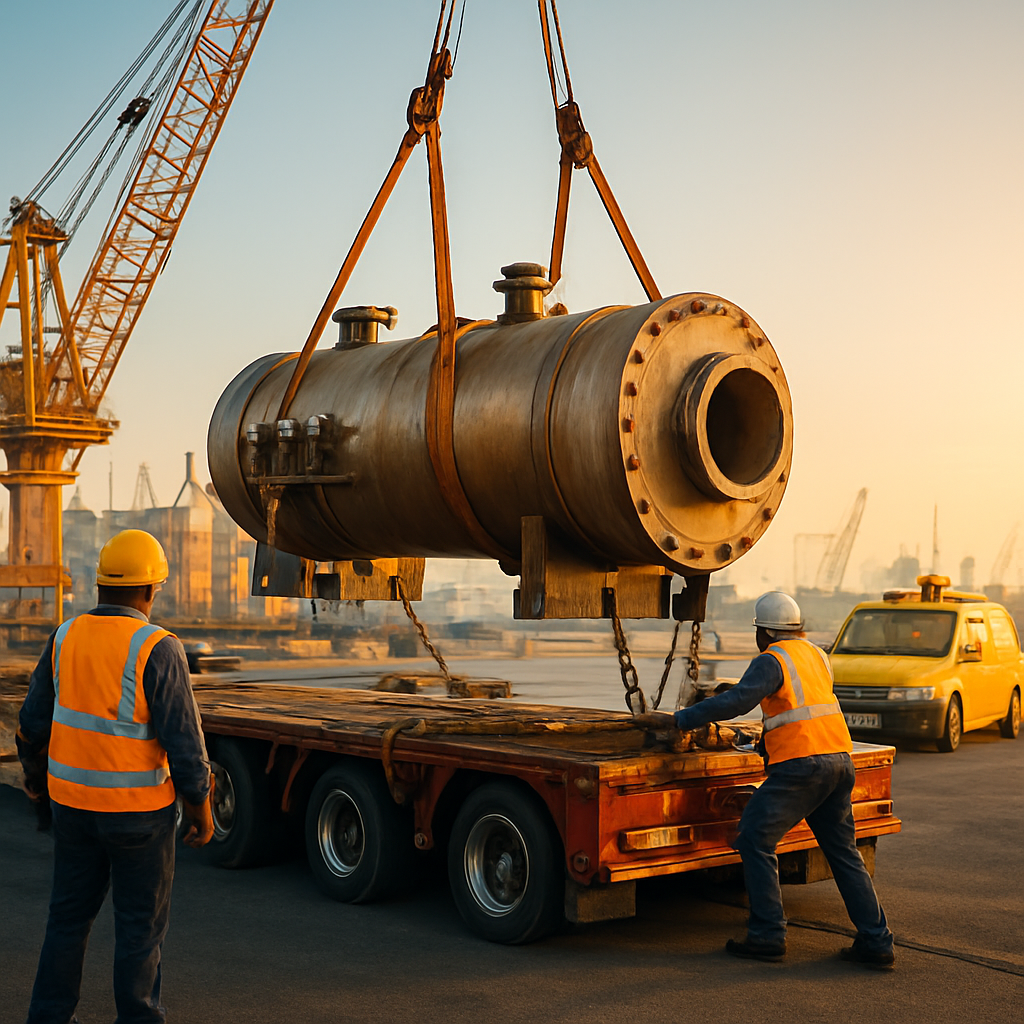
Navigating oversized cargo logistics in the Netherlands has become a strategic capability rather than a niche service. With Rotterdam functioning as Europe’s primary project gateway, shippers are under pressure to align engineering decisions with logistics realities from the outset. Capital project owners now expect logistics partners to combine technical expertise, digital tools, and regulatory fluency to unlock safer, faster, and more predictable execution.
Oversized cargo is no longer just about moving big pieces; it is about orchestrating data, risk, and stakeholder expectations across an increasingly constrained European network.
At the core of this shift is a more sophisticated view of project cargo supply chains. Instead of treating each shipment as a one-off move, leading organisations are building repeatable playbooks that integrate design, procurement, and logistics decisions. This mindset supports better supply chain management, protects budgets, and creates transparency for financiers and regulators who are scrutinising ESG performance.
Navigating Oversized Cargo Logistics in the Netherlands
The strategic role of oversized cargo in the Dutch economy is expanding as energy transition, grid upgrades, and industrial renewal ramp up. The Netherlands’ dense inland waterway network, alongside advanced breakbulk terminals, enables heavy lift transport solutions that would be impractical in many markets. Yet this advantage can erode quickly if permitting, stakeholder engagement, and interface risks between modes are not engineered from day one.
From Port to Site: Where Complexity Really Lives
The most resilient Project Logistics in Netherlands now starts at concept design, not once a purchase order is placed. Early collaboration allows logistics teams to influence modularisation, lifting strategy, and site layout, creating cleaner pathways for multi-modal freight coordination. This is where transportation solutions, from barge routing to specialised trailers, are matched to real-world constraints like bridge clearances, quay strengths, and local community tolerances.
Rotterdam’s digitalisation push, including initiatives such as Portbase and secure data sharing, is raising expectations for transparency and control. Shippers increasingly demand predictive ETAs, dynamic risk registers, and scenario modelling across end-to-end project freight management. Against this backdrop, partners that still rely on static spreadsheets and manual updates will struggle to compete, especially on complex industrial project supply chain executions.
Regulation, Risk, and the Road Ahead
On Dutch roads, “exceptioneel vervoer” rules turn dimensions and axle loads into board-level concerns. Forward-thinking EPCs now consider road and river constraints when selecting fabrication yards, scheduling breakbulk logistics services, or designing construction equipment logistics solutions. This systemic view reduces the likelihood of late redesigns, community pushback, or sudden cost spikes in oversized freight forwarding and freight forwarding services.
For decision-makers, the imperative is clear: treat oversized cargo as a strategic design variable, not an operational afterthought. That means integrating logistics engineering into early project phases, investing in data-driven planning, and challenging default assumptions about routes and modes. To benchmark your current approach and explore more resilient transportation solutions, engage with a specialist team that can translate complexity into a competitive advantage for your next wave of projects.

Related posts
Tax Incentives Available to Ship Operators
There are a range of tax incentives that may be available in respect of operatio

Essential Guide to Customs Clearance Services in the Netherlands
Navigate customs clearance services in the Netherlands with confidence. Learn ke
Ocean Shipping Times Surge in Supply-Chain Crunch
Ocean shipping times have been hevily delayed meaning the commercial cargo ship
