




Heavy Lift Cargo Transport: Key Insights for Dutch Businesses
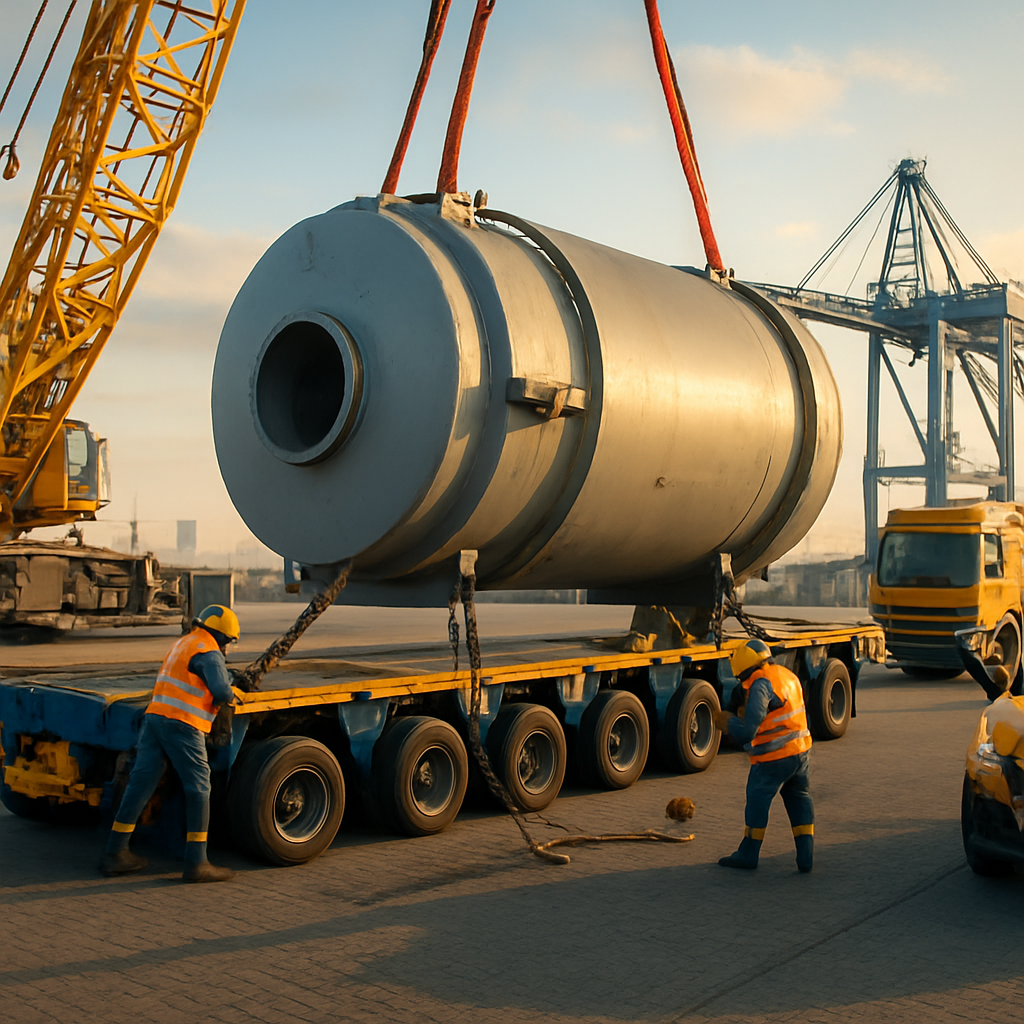
Heavy lift cargo transport in the Netherlands is becoming a strategic concern for energy, industrial, and infrastructure players trying to keep complex projects on schedule and within budget. As ports like Rotterdam and Amsterdam handle ever more turbines, transformers, and prefabricated modules, Dutch shippers are weighing which heavy lift transport solutions best match their technical, regulatory, and timing needs.
Heavy Lift Cargo Transport: Key Options for Dutch Projects
For most Dutch projects, ocean vessels, inland waterways, and road transport form the backbone of heavy lift cargo transport in the Netherlands. Deep-sea terminals equipped with heavy-lift cranes and reinforced quays handle initial loading and discharge of outsized units. From there, barge services on the Rhine and Maas bring project components closer to site, reducing the complexity of permits and escorts compared with pure road moves. The final leg often relies on specialised trailers and carefully timed convoys, coordinated as part of broader supply chain management plans.
Specialist Carriers vs. General Forwarders
Shippers can contract specialist heavy-lift carriers with shipboard cranes and in-house engineers, or engage general providers offering freight forwarding services and multimodal coordination. Specialist carriers are often preferable for ultra-heavy lifts, where vessel stability, lifting plans, and sea-fastening become mission-critical. General providers, by contrast, typically shine when integrating port handling, storage, and customs-compliant freight forwarding into wider project cargo supply chains. Many Dutch businesses now opt for a blended model that includes project logistics forwarding alongside niche vessel operators.
Risk, Compliance, and Network Design
Regulation is reshaping how companies design their transportation solutions. New IMO SOLAS requirements for lifting appliances, coupled with Dutch Working Conditions Decree obligations, push operators to document inspections, certifications, and safe working procedures in detail. Robust oversized freight management also demands contingency planning for weather delays, congestion, or permit issues on critical road corridors. Organisations that build industrial transport solutions around verified partners, clear lifting plans, and transparent documentation typically see fewer delays and disputes.
- Assess port crane capacity, draft, storage, and access to inland waterways before locking in a route.
- Compare providers’ experience in breakbulk project forwarding for similar cargo types and industries.
- Confirm engineering support for lifting studies, sea-fastening, and route surveys across all heavy lift segments.
- Check safety performance, insurance cover, and compliance with Dutch and international lifting regulations.
- Evaluate digital tools that support end-to-end logistics solutions, real-time tracking, and documentation access.
When planning Project Logistics in Netherlands, decision-makers should review independent best-practice guidance, such as technical resources from the Port of Rotterdam Authority at https://www.portofrotterdam.com, to benchmark providers and methods. This helps teams choose between marine-based heavy lift transport solutions and road-heavy configurations, depending on route constraints and site access. It also clarifies how breakbulk terminals, barges, and specialist trailers can be combined into integrated project logistics forwarding strategies. By comparing options early, companies can configure more resilient heavy-lift networks that support long-term project delivery.
To explore tailored transportation solutions and stress-test your current heavy-lift setup, speak with an expert advisor who understands Dutch regulations, port capabilities, and end-to-end logistics solutions for complex projects. A short consultation can reveal optimisation opportunities, from revised routing to closer alignment of marine, barge, and road assets, helping ensure your next heavy-lift move reaches its destination safely, compliantly, and on time.

Related posts
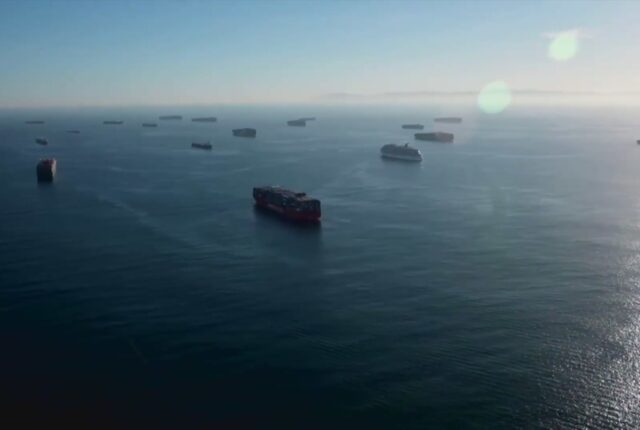
Container Shipping Congestion in L.A.
Due to the huge amount of container shipping congestion in L.A., sailing around
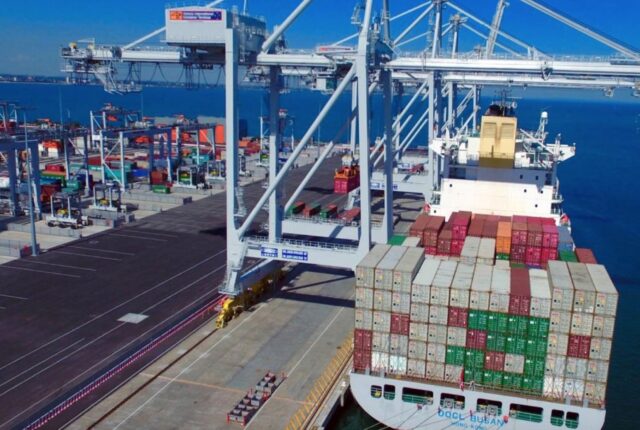
Wharfies Deny Strikes Will Cancel Christmas After Port Operator Warns of Shortages
As we move into October, the wharfies at one of Australia’s main port operator
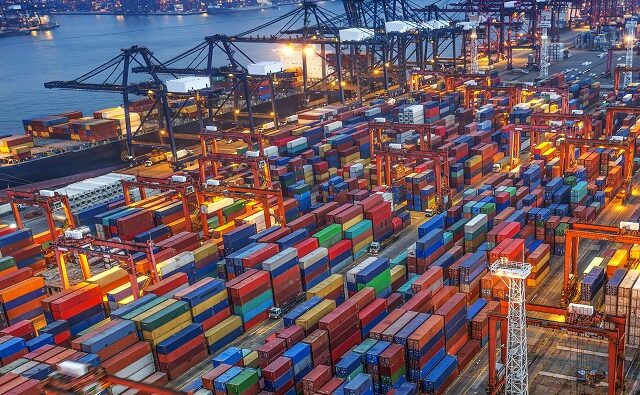
Ocean Shipping Times Surge in Supply-Chain Crunch
Ocean shipping times have been hevily delayed meaning the commercial cargo ship
