




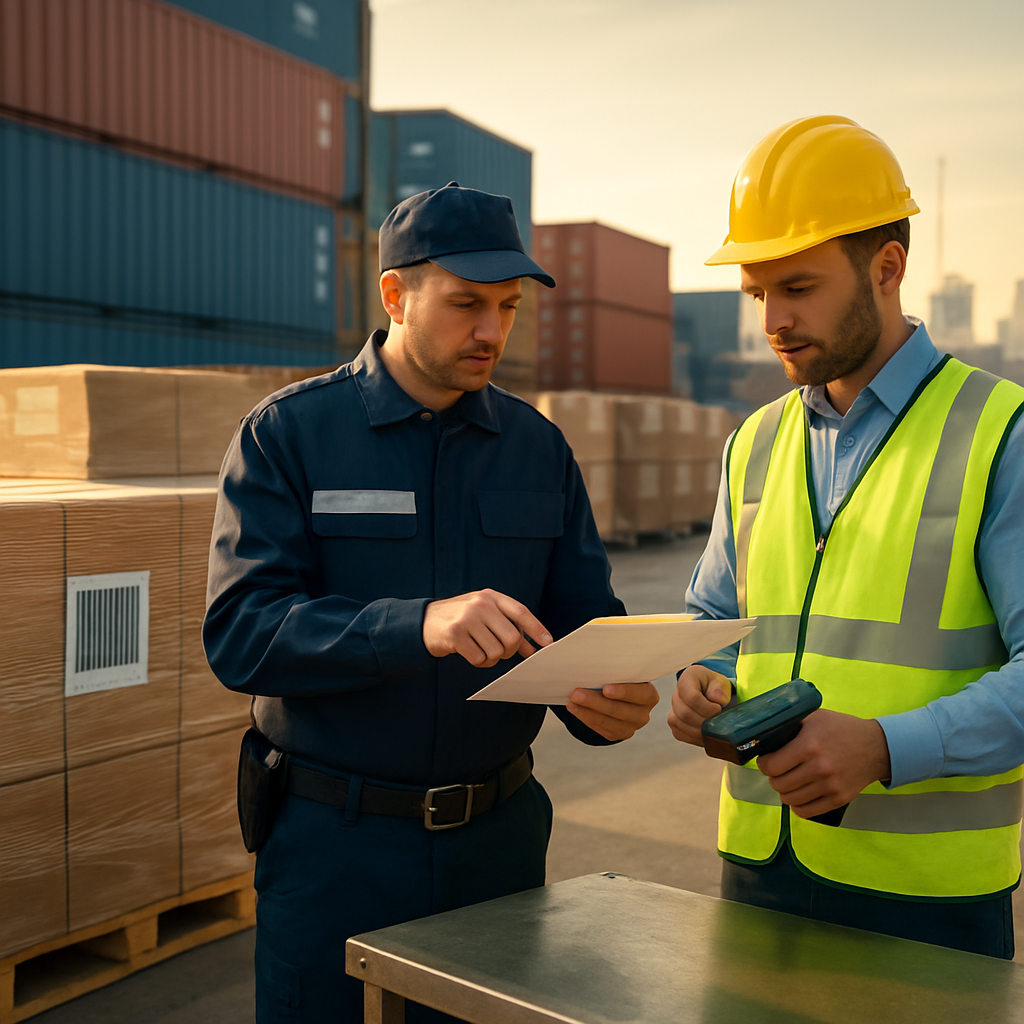
Restricted Goods Customs Clearance: Guidelines for Importers
Restricted Goods Customs Clearance: Guidelines for Importers
5 Ways to Streamline Restricted Goods Customs Clearance in the Netherlands
Importing sensitive products into the Netherlands demands more than basic knowledge of import export regulations. For companies moving firearms components, chemicals, pharmaceuticals, or animal products, the stakes range from delays to seizure of cargo. Understanding how Customs Clearance in Netherlands operates for restricted items helps you avoid costly disruptions and protect customer commitments across European markets.
1. Identify Exactly What Counts as Restricted
The first step is mapping your product range against restricted goods regulations enforced by Dutch and EU authorities. Beyond obvious categories like weapons or narcotics, restrictions apply to medical devices, cultural artefacts, high-value artworks, and goods from sanctioned territories. Importers should verify HS and TARIC codes, check EU import export rules, and confirm if prior approvals or inspections apply. A structured product matrix can prevent last-minute surprises at the border.
2. Prepare Licences and Certificates Before Shipping
Many restricted consignments cannot be released until licences and health certificates are validated, making the customs documentation process a critical planning task. Typical paperwork includes veterinary and phytosanitary certificates, dual-use export licences, and permits for radioactive sources or precursor chemicals. Because approvals can take weeks, importers often build additional lead time into production and shipping schedules. Any mismatch between documents and declarations can trigger immediate holds or investigations.
3. Classify and Value Goods with Precision
Misclassification for restricted cargo can be interpreted as an attempt to bypass Netherlands customs procedures. Correct HS codes determine both control measures and VAT and tariff obligations, so assumptions or copy-paste errors are risky. The same applies to valuation, where under-declaration may lead to retroactive assessments and penalties. Many firms rely on customs brokerage support or binding tariff information to lock in defensible classifications and reduce later disputes with regulators.
4. Anticipate Inspections, Delays, and Storage Costs
Restricted shipments face elevated inspection rates under air and sea freight rules, particularly through major Dutch hubs such as Rotterdam and Schiphol. Goods typically move into temporary storage while authorities verify data, seals, and security risks. If documents are missing or incomplete, storage fees and demurrage can rise quickly. Building contingency time into delivery promises and maintaining clear communication with logistics partners is vital to keep international shipping compliance on track.
5. Partner with Specialists for Ongoing Compliance
Rules for hazardous cargo compliance, pharmaceuticals, and agri-food imports shift frequently, making it difficult for in-house teams to stay current. Working with experienced customs advisers can help you navigate Dutch customs paperwork, monitor regulatory changes, and manage day-to-day filings. The European Commission provides a useful overview of EU border formalities at https://taxation-customs.ec.europa.eu/customs-4/businesses/importing-into-eu_en, which many importers use as a baseline reference for their internal procedures.
- Assess your product portfolio against Dutch and EU control lists.
- Secure licences and certificates well before booking cargo.
- Validate HS codes and valuation with specialist support.
- Plan timelines around potential inspections and storage.
- Engage experts to review your restricted-goods compliance framework.
If you regularly move controlled items and want fewer delays at EU borders, now is the time to tighten your approach to Customs Clearance in Netherlands. A specialist team can audit your current workflows, flag gaps in restricted-goods controls, and design a compliant, repeatable process that keeps cargo flowing. Enquire today to request an assessment and speak with a customs expert about your next shipment.

Related posts
Typhoon Brings More Supply Chain Chaos In China!
This week a typhoon caused a lot of Supply Chain Chaos In China. More freight de

Container Shipping Prices Skyrocket as Rush to Move Goods Picks Up
Prices to ship containers from Asia to the U.S. and Europe are rising at a histo
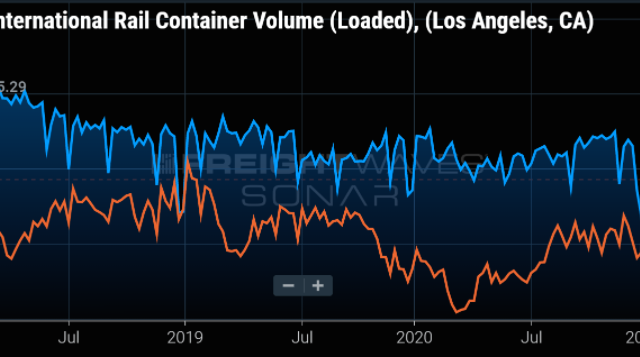
Los Angeles: More Empty Containers than Full Containers!
Over the past few years, the Los Angeles and Long Beach port has been the primar
