





Navigating Supply Chain Risk Management in 2026
Navigating supply chain risk management in 2026 is now a board-level concern as companies confront climate shocks, cyber threats, and volatile geopolitics. For US-based manufacturers, retailers, and logistics providers, modern supply chain risk management demands end-to-end visibility, smarter data, and resilient networks. Organizations that treat risk as a strategic advantage rather than a compliance exercise are better positioned to protect margins, customer trust, and brand reputation.
1. Build AI-Driven Visibility Across Your Supply Chain
Leading firms are using AI and predictive analytics to move from reactive firefighting to proactive risk prevention. By integrating shipment data, supplier performance, and market signals, they deploy data-driven demand forecasting to spot disruptions before they hit. This approach supports real-time demand sensing techniques that flag anomalies such as sudden lead-time spikes or port congestion. Companies that invest early can design Logistics efficiency strategies that reduce stockouts, excess safety stock, and emergency freight costs.
2. Diversify with Nearshoring and Multi-Sourcing
Overreliance on a single region or supplier is now a visible red flag for procurement and finance leaders. Nearshoring and multi-sourcing strategies spread geopolitical, logistics, and regulatory risk across multiple partners and lanes. Organizations are pairing netherlands-focused inventory optimisation with broader Supply Chain Optimization in Netherlands to build resilient European hubs. Done well, diversification also supports lean inventory and logistics efficiency by shortening lead times and improving service reliability.
3. Strengthen Inventory and Demand Planning Resilience
Traditional Inventory management techniques struggle when demand patterns swing rapidly or suppliers miss commitments. More advanced inventory optimisation tactics blend safety stock modelling, ABC analysis, and integrated logistics and inventory planning to balance cost and resilience. Scenario-based demand planning, supported by Demand forecasting methods, helps teams stress-test different market or disruption scenarios. Companies that modernize planning are better positioned to protect working capital while keeping critical items available.
4. Embed ESG, Compliance, and Cybersecurity Controls
Regulators, investors, and customers are demanding responsible and transparent supply chains. Businesses are integrating ESG requirements into procurement, tracking emissions, labor practices, and ethical sourcing across tiers. Robust risk frameworks now include cybersecurity defenses that protect digital platforms and IoT devices from attack. Many firms look to neutral references like the World Economic Forum’s insights on supply chain resilience at https://www.weforum.org/agenda/archive/supply-chains/ to benchmark their programs. These controls support logistics efficiency best practices while strengthening brand trust.
5. Leverage Strategic Partnerships and Integrated Platforms
No single company can manage today’s supply chain risk landscape alone. Strategic partnerships with technology providers, 3PLs, and data platforms are enabling end-to-end visibility and faster incident response. Integrated digital control towers consolidate shipments, supplier status, and risk alerts into a single view. When paired with modern Inventory management techniques and real-time analytics, they enable faster decision-making during natural disasters, cyberattacks, or regulatory shifts.
- Enhance forecasting accuracy through scenario-based demand planning and Demand forecasting methods.
- Improve working capital by applying advanced inventory optimisation tactics across key product segments.
- Boost resilience with integrated logistics and inventory planning that links warehouse, transport, and procurement data.
- Adopt Logistics efficiency strategies that reduce lead times, transport risk, and total landed cost.
- Implement real-time demand sensing techniques to react quickly to market or disruption signals.
If your team is still managing risk in spreadsheets or reacting after disruptions occur, it may be time to modernize your supply chain risk management strategy. A specialist partner can help you design digital roadmaps, refine Inventory management techniques, and operationalize governance frameworks that match your risk appetite. To protect margins, strengthen resilience, and support long-term growth, engage our supply chain experts today to schedule a consultation and assess your current risk posture.

Related posts

Road Toll Reforms in the EU: What Dutch Transport Companies Need to Prepare For
If you operate in the Dutch road and urban freight sector, major regulatory chan
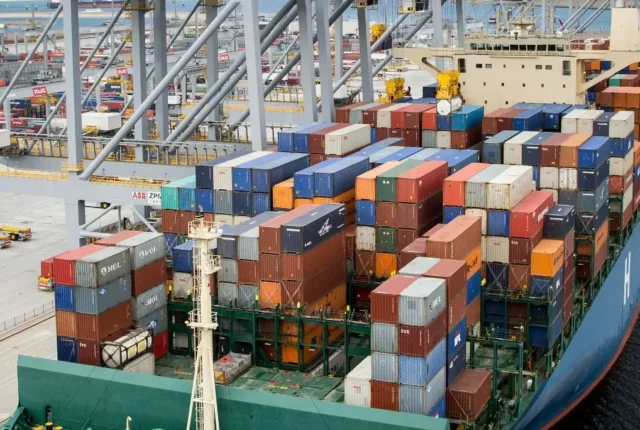
Integrating 4PL with Smart Ports: The Future of Dutch Maritime Logistics
The Netherlands has long been a leader in global maritime logistics, with ports
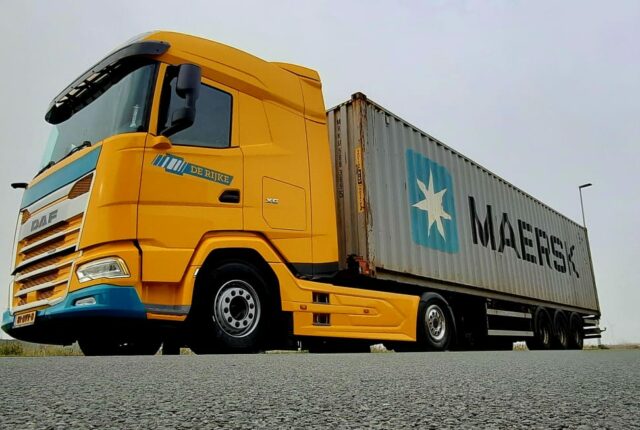
Challenges Facing the Road Freight Sector in the Netherlands
The Netherlands, a pivotal hub in European logistics, has a road freight sector
