




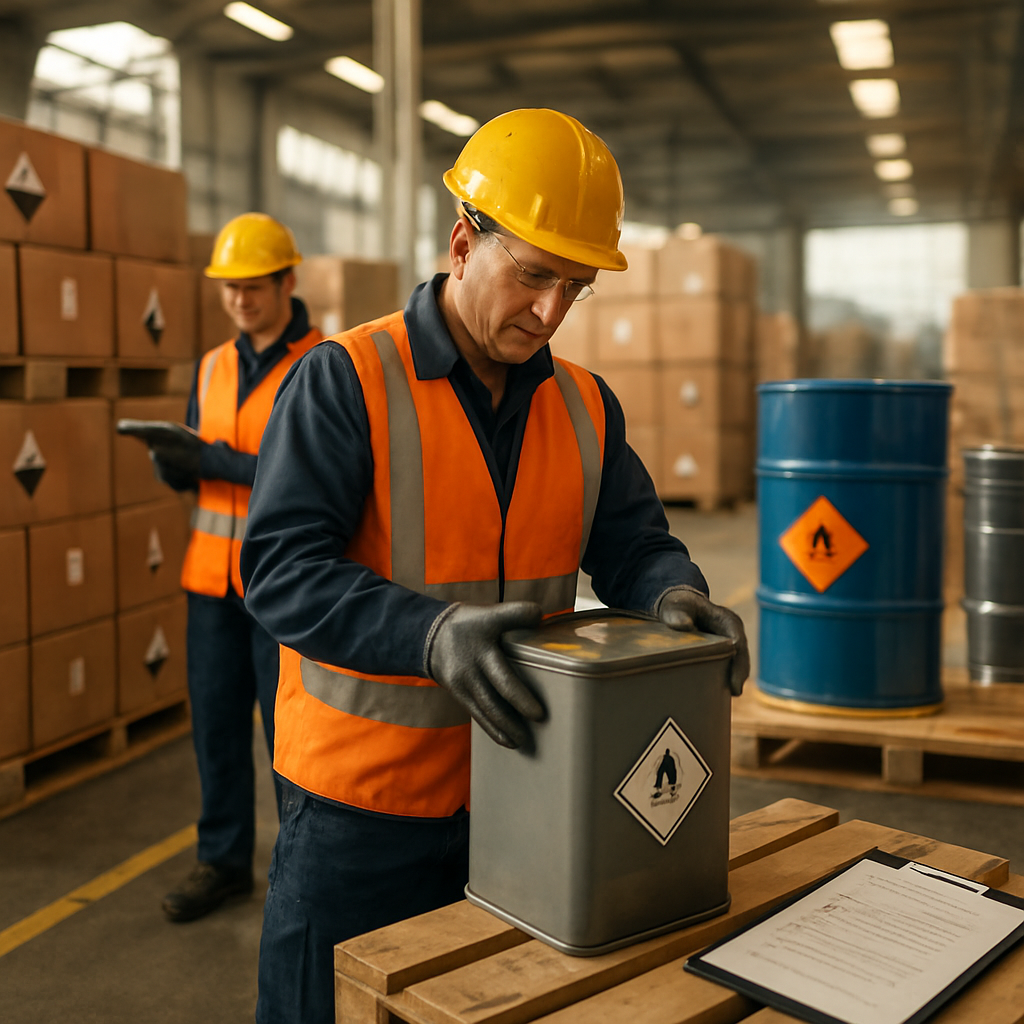
Ensuring Dangerous Goods Compliance in Dutch Logistics
Ensuring compliance with dangerous goods regulations in Dutch logistics is no longer optional; it is a strategic necessity for any operator moving chemical or high‑risk freight through the Netherlands. With strict EU chemical shipping compliance frameworks and growing public scrutiny, one oversight can trigger fines, delays, or reputational damage. This listicle outlines practical, commercially focused steps to keep your operation safe, legal, and competitive while building trust with shippers that demand flawless execution.
1. Understand the Core Dangerous Goods Frameworks
Compliance begins with a clear grasp of ADR, RID, ADN, IMDG, and IATA, plus how Netherlands chemical freight regulations interpret these standards locally. Many logistics teams underestimate how often these regimes are updated or misaligned across modes. Assigning responsibility to a trained compliance lead, supported by legal and operations, helps ensure shipping regulations for chemicals are reviewed regularly and briefing notes reach planners, drivers, and warehouse staff before changes take effect.
2. Classify and Package Goods with Precision
Correct classification drives everything from labels to routing and insurance, making dangerous materials handling a technical exercise rather than an administrative one. Misclassification can turn a routine stop into a full‑scale incident response. Invest in specialists who understand UN numbers, packing groups, and chemical transport safety rules so packaging, inner linings, and closures truly match the hazard profile. Accurate classification also reassures multinational customers that your Dutch hazardous materials logistics standards align with their global risk policies.
3. Get Documentation and Labelling Right Every Time
Incomplete documentation is one of the fastest ways compliant handling of toxic cargo can be derailed at borders, terminals, or roadside checks. Robust dangerous goods handling procedures should cover transport documents, Safety Data Sheets, and multilingual labels tied directly to the shipment’s hazard class. Clear, durable markings support safe transport of hazardous cargo during handovers between carriers and terminals, and they help emergency services make rapid, informed decisions if an incident occurs en route.
4. Build a Training and Audit Culture
Annual training that staff quickly forget is not enough; dangerous goods safety protocols must be embedded in daily routines and checked. Create role‑specific programmes for planners, drivers, and warehouse teams, backed by scenario‑based drills. Regular audits, unannounced spot checks, and route ride‑alongs reveal gaps between written policies and real‑world behaviour. For many operators, a periodic external review of Hazardous Goods in Netherlands performance offers an objective benchmark against peers and highlights emerging regulatory risks.
5. Plan for Emergencies and Choose the Right Partners
Even with rigorous safety protocols for transport, incidents can still occur, meaning your emergency playbook must be current, tested, and understood by staff and subcontractors. Written procedures, 24/7 contact trees, and coordination with local authorities should all be reviewed after drills and real events. Critically, vet transport partners not just on price but on their track record with dangerous goods regulations, including certifications, insurance, and incident history, as detailed in resources such as the European Chemicals Agency’s transport guidance at https://echa.europa.eu/regulations/transport.
- Align every mode with ADR, RID, ADN, IMDG, and IATA requirements for Dutch corridors.
- Treat classification and packaging as specialist risk engineering, not simple paperwork.
- Standardise documentation and labelling to minimise delays and inspection failures.
- Use training, drills, and audits to keep frontline practice aligned with written policies.
- Select partners and emergency providers who demonstrably understand dangerous goods.
If your organisation is scaling volumes, entering new EU lanes, or facing tighter customer audits, now is the time to review your Dutch logistics compliance strategy. Speak with a specialist team that can assess your current controls, benchmark your operations, and design a practical roadmap to stronger dangerous goods performance. Enquire today to request a tailored compliance review and discover how a safer, more reliable dangerous goods operation can also become a powerful commercial advantage.

Related posts

Digital Solution to Track Vessel Emissions
Due to the regulations on carbon emissions becoming increasingly more stringent,

Hydrogen Fueled Product Tanker Awarded Grant
A Swedish company has just been awarded $5.3 million in grant money from the Eur
The Importance of Hazardous Goods Documentation Explained
Discover why accurate hazardous goods documentation is critical for safety, comp
