



The Importance of Hazardous Goods Documentation Explained
Choosing the right partner for hazardous goods documentation is one of the most important decisions in modern supply chain management. In a market crowded with generic freight providers, only a few specialists treat documentation as a strategic risk-control tool rather than routine paperwork. By focusing on accuracy, traceability, and proactive compliance, a differentiated provider helps you minimise disruption, reduce liability exposure, and protect both people and assets.
The Importance of Hazardous Goods Documentation Explained
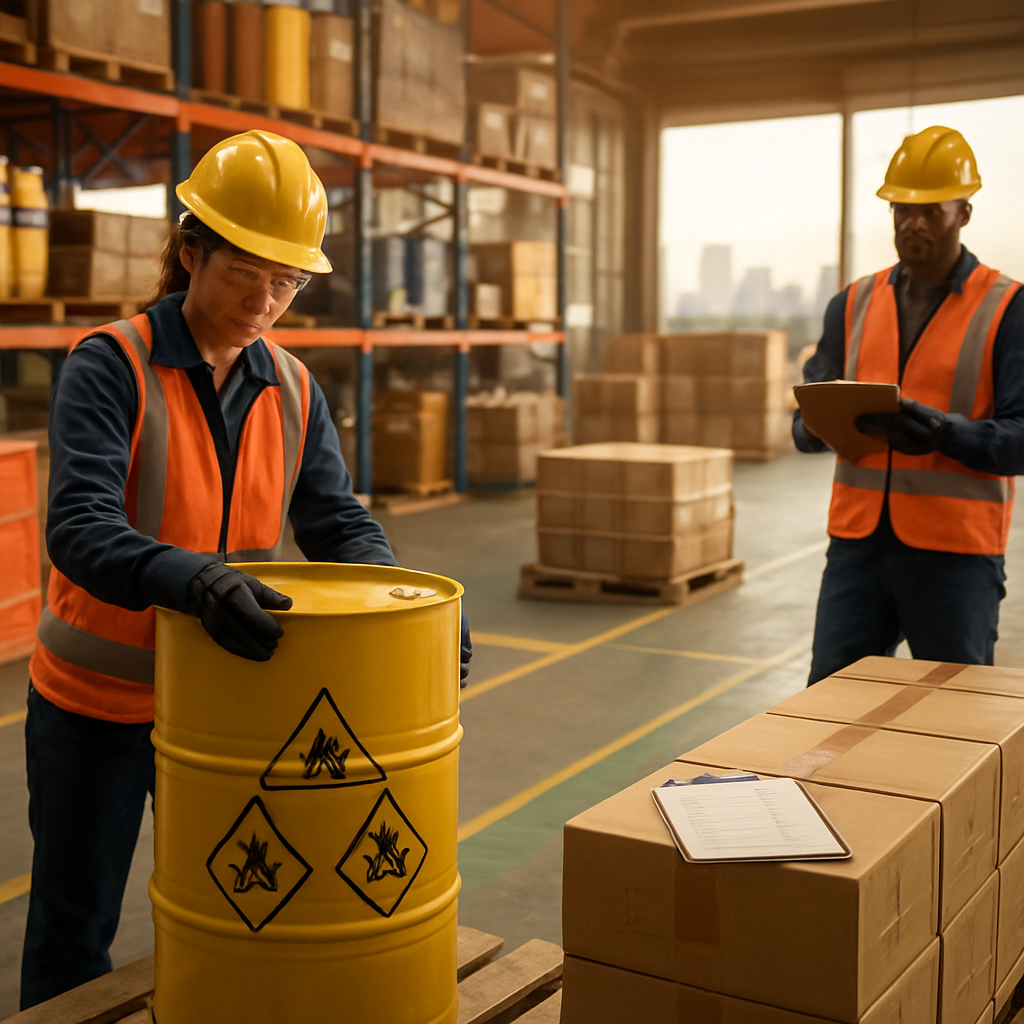
Hazardous goods documentation is more than a formality; it is the operational translation of complex rules into clear instructions for safe, compliant movement. A specialist that understands Hazardous Goods in Netherlands, EU corridors, and global trade lanes can align documentation with local and cross-border expectations from the outset. This means that UN numbers, proper shipping names, and packing groups are validated before cargo reaches a terminal, significantly reducing the risk of delays and refusals.
Where many providers rely on basic templates, a differentiated partner integrates dangerous materials handling knowledge directly into digital workflows. Documentation is created from structured data rather than free text, with automated checks to flag inconsistencies between safety data sheets and transport declarations. This approach supports chemical transport safety protocols at every handover point, ensuring that carriers, warehouses, and emergency responders are always working from the same verified information.
- End-to-end documentation control rather than isolated shipment processing
- Integrated validation of UN numbers, classifications, and packing instructions
- Alignment with EU regulations for dangerous goods across all transport modes
- Real-time visibility of documentation status for shippers and consignees
- Structured incident and near-miss review to refine processes continuously
How Documentation Expertise Enhances Safety and Compliance
A documentation-led provider treats every declaration as a safety instrument. Detailed, accurate paperwork underpins safety protocols for transport, from segregation planning to emergency response cards. Rather than relying on last-minute checks at the warehouse, multi-stage reviews are built into the process, cross-checking classification data, packaging descriptions, and label references well before pickup.
Technology, Training, and Continuous Improvement
Differentiated partners invest heavily in training for dangerous goods handling and advanced documentation systems. Staff are certified to the latest IMDG, ADR, and IATA standards, and supported by tools that incorporate a chemical freight compliance checklist into daily workflows. This combination of human expertise and technology reduces manual keying errors and strengthens compliance for chemical shipping, particularly for multimodal moves that cross several regulatory regimes.
- Specialist teams focused exclusively on hazardous cargo documentation
- Configurable templates aligned with shipping regulations for chemicals
- System-enforced version control for safety data sheets and instructions
- Structured lessons-learned from risk management in hazmat logistics
- Ongoing benchmarking against best practices in hazmat handling and international guidance
To support shippers in understanding their obligations and options, leading providers complement their services with educational resources and third-party references, such as guidance from the International Maritime Organization at https://www.imo.org. When you partner with a documentation specialist that prioritises safe handling of hazardous cargo and robust process design, you gain a measurable reduction in disruption risk and a stronger assurance of regulatory conformity. If you are reviewing your current hazardous goods processes, now is the time to compare providers, ask detailed questions about their documentation controls, and speak with a specialist team that can help modernise your approach.

Related posts

Lower Volumes of Shipping Predicted
As the Ukraine war continues, lower volumes of shipping have been predicted due

Climate Positive Freight Solutions, the Future of ATO Shipping
Melbourne, August 2021 – Across the Ocean Shipping (ATOS), Australia’s l

Essential Guide to Customs Clearance Services in the Netherlands
Navigate customs clearance services in the Netherlands with confidence. Learn ke
