




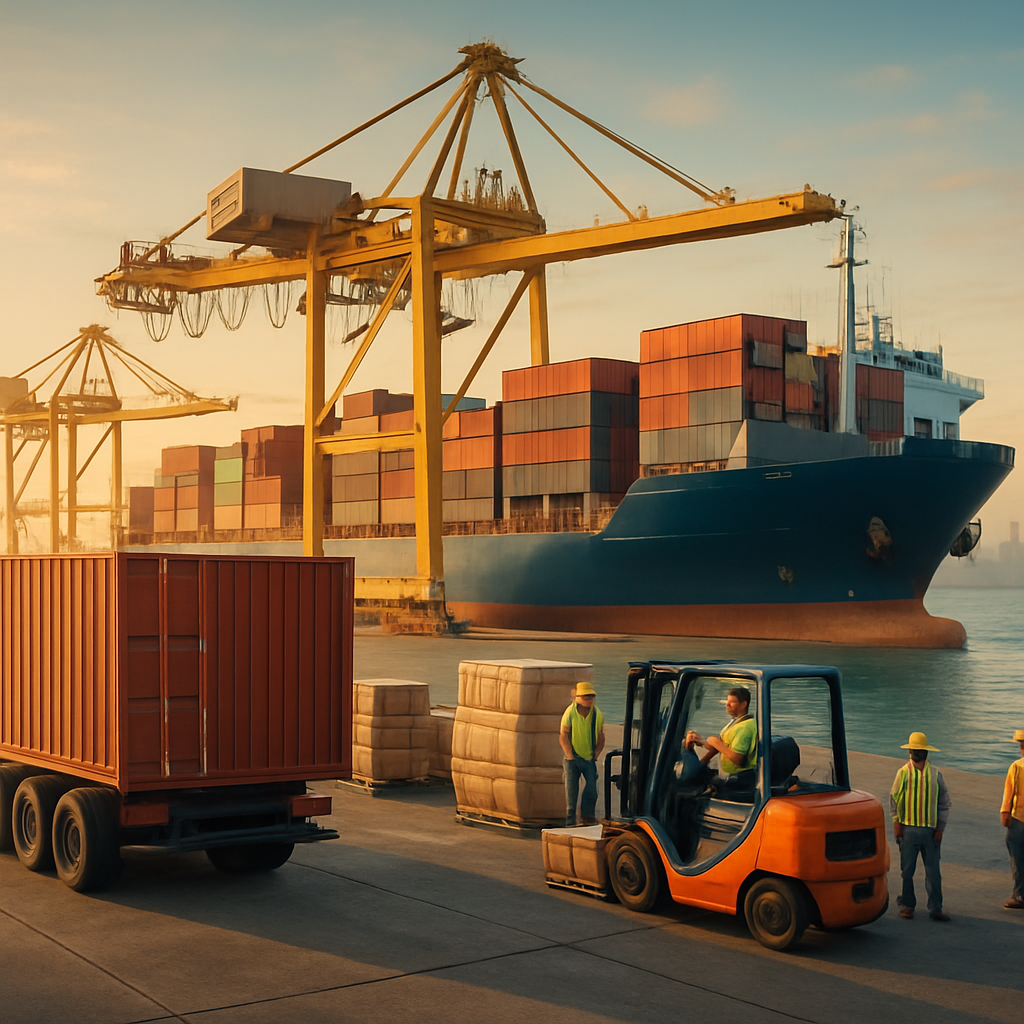
Door-to-Door Coastal Shipping: A Comprehensive Overview
Door-to-door coastal shipping: a comprehensive overview matters most when you need predictable, end-to-end control rather than a patchwork of carriers. In the Netherlands, many shippers are replacing fragmented trucking and port-handling arrangements with integrated coastal freight options that combine sea, barge, rail, and road under one accountable provider. This approach is particularly attractive for heavy, bulky, or non-urgent cargo, where the cost per tonne-kilometre and operational reliability of sea transport create measurable gains over pure road models.
Door-to-door coastal shipping: a comprehensive overview of how it works
At its core, door-to-door coastal delivery links your warehouse or plant to the consignee through a single planned route that includes port transfers, vessel operations, and final-mile transport. Rather than booking separate Netherlands coastal freight services and local delivery options, you work with one partner that coordinates capacity, schedules, and documentation. This reduces handover points, simplifies communication, and lowers the risk of delay or damage that can occur when multiple providers share responsibility without unified oversight.
From a competitive differentiation standpoint, the providers that stand out are those that treat the sea leg as part of a wider logistics system, not an isolated movement. They design multimodal coastal freight services around your volume patterns, seasonal peaks, and customer service commitments. This means aligning sailing schedules with production runs, planning hinterland connections in advance, and using data to adjust flows before bottlenecks occur. For supply chain managers, the result is a more predictable and resilient network shaped around business outcomes, not just port-to-port rates.
- Specialisation in coastal freight solutions tailored to Dutch and near-Europe corridors.
- Tight integration between sea legs, barge services, rail corridors, and trucking fleets.
- Digital visibility platforms with real-time tracking and proactive delay alerts.
- Dedicated account management and operations teams with port-side expertise.
- Flexible capacity models that scale with seasonal or project-driven demand.
What separates strong coastal partners from basic carriers
When evaluating Domestic & Coastal in Netherlands options, focus on how each provider manages risk, transparency, and service control, not just quoted transit times. Reliable operators can explain their contingency plans when a port faces disruption, how they reroute through local coastal cargo distribution networks, and how they keep you informed at each milestone. Their pricing structures should make landed cost calculations straightforward, with clear inclusions for terminal handling, storage, and on-carriage, reducing invoice surprises and enabling better budget control.
Comparing coastal shipping to road-only approaches
For many shippers, the main comparison is between door-to-door coastal shipping and exclusive reliance on road transport or interstate shipping services. Road-only models may appear faster for short hops but can become costly and less reliable as distances and congestion increase, especially around large ports. By contrast, shortsea coastal freight Netherlands services can absorb higher volumes more sustainably, while trucking is reserved for targeted final-mile tasks. This hybrid model keeps your road fleet agile and positions sea as the backbone of your regional freight network.
- Ask how the provider plans domestic interstate-style sea shipping versus pure road legs.
- Review how coastal freight and local delivery are coordinated in a single operations plan.
- Check whether their systems support emissions reporting aligned with EU standards.
- Confirm experience with your cargo type, from containers to project and bulk shipments.
- Evaluate responsiveness through service-level agreements and escalation procedures.
Well-structured Netherlands coastal freight services also support environmental goals. According to the International Maritime Organization, using efficient vessels and alternative fuels can significantly reduce CO2 per tonne compared with all-road models, particularly when integrated into multimodal corridors that minimise empty kilometres. As you map your coastal strategy, decide which lanes should move by sea, which require fast local delivery options, and where integrated coastal freight options can replace legacy trucking routes. Then engage a specialist team to benchmark scenarios, quantify savings, and build a door-to-door coastal shipping roadmap that fits your network today while preparing for tomorrow’s growth. Request a consultation to compare your current flows with optimised coastal freight solutions and move forward with confidence.

Related posts
Customs Compliance Documentation: A 2026 Overview for Businesses
Understand how customs compliance documentation in 2026 can become a strategic a
Essential Guide to Customs Clearance Services in the Netherlands
Navigate customs clearance services in the Netherlands with confidence. Learn ke
Sea Freight Security: Protecting Cargo on the High Seas
Ensuring the Safety of Cargo Shipments In today’s global economy, sea fr
