




DG Air Freight Services: Navigating Regulations in the Netherlands
DG Air Freight Services: Navigating Regulations in the Netherlands
DG air freight services in the Netherlands give you clarity and confidence when moving hazardous cargo by air. With multiple international, European, and national rules in play, it can be difficult to judge if your shipment is compliant or safe. A trusted specialist interprets IATA Dangerous Goods Regulations, EU chemical shipping regulations, and Netherlands chemical transport rules, so you are not left guessing. By relying on proven air freight safety protocols, you reduce the risk of rejected cargo, unexpected costs, and reputational damage. This lets your team focus on core operations instead of deciphering technical legislation.
Choosing the right DG partner is less about price and more about how thoroughly they protect your people, your cargo, and your brand.
Understanding DG Air Freight Regulations in the Netherlands
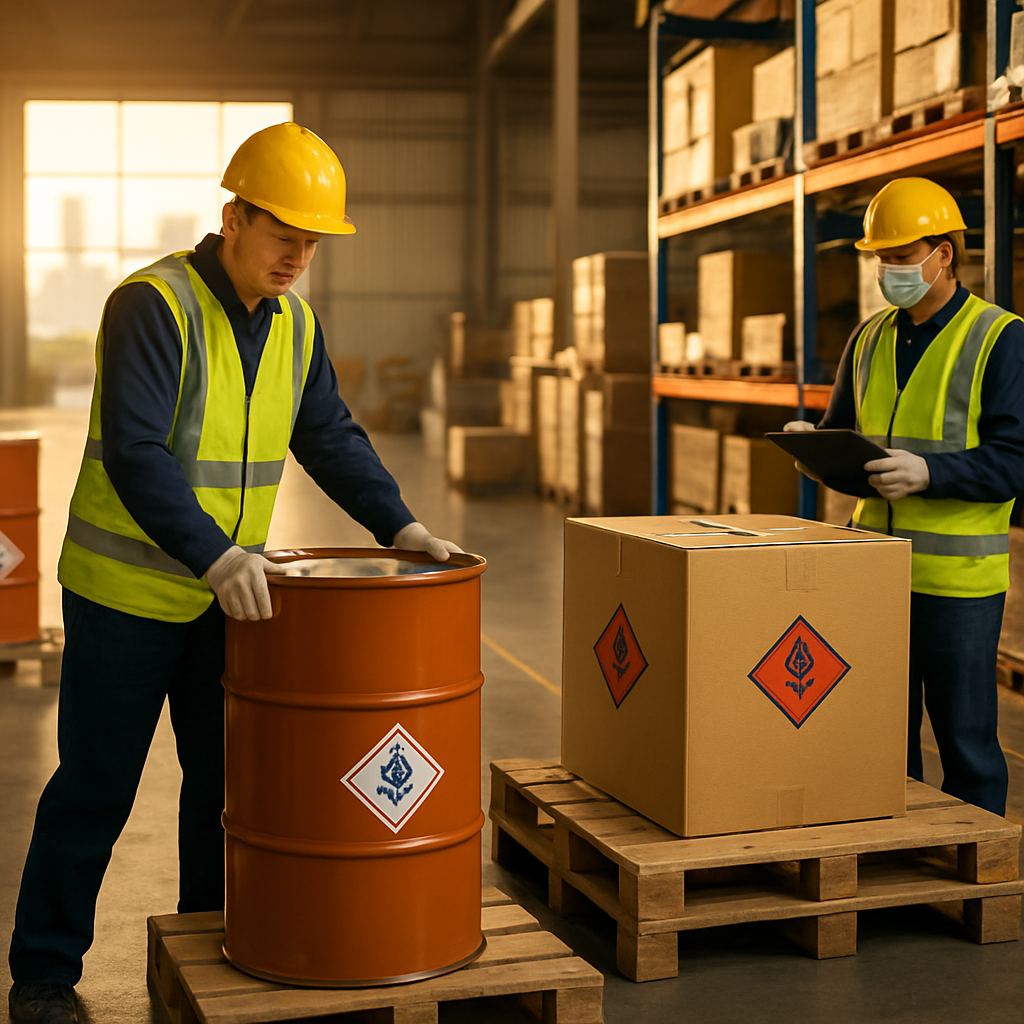
When you ship Hazardous Goods in Netherlands, you are responsible for correct classification, packaging, and documentation. Professional DG air freight services verify Safety Data Sheets, apply the right UN numbers, and match packing instructions to the latest IATA DGR edition. They also consider shipping regulations for chemicals that apply once your cargo leaves the airport by road. This joined-up approach means dangerous materials shipping procedures are aligned from warehouse to aircraft and onwards to final destination. As a result, your internal teams gain reassurance that every movement meets regulated chemical freight compliance standards.
How Professional DG Air Freight Services Reduce Risk
Reliable Dutch providers work with documented safety protocols for transport that cover every stage of the journey. Before acceptance, specialists confirm chemical cargo handling standards, choose UN-tested packaging, and ensure all hazard labels and marks are durable and legible. Independent audits and certifications, such as ISO 9001, demonstrate that processes are not only defined, but regularly reviewed and improved. Many teams also use digital checklists to monitor hazardous materials loading procedures and transport safety protocols for DG in real time. This level of structure makes dangerous materials handling more predictable and helps you prove due diligence to regulators, clients, and insurers.
What to Expect When You Ship DG by Air
A trustworthy DG air freight partner will start with a transparent assessment of what you want to ship, your routes, and airline restrictions. You can expect clear guidance on packaging, segregation, and documentation, plus honest feedback if an item is not allowed on passenger or cargo aircraft. At Dutch gateways such as Amsterdam Airport Schiphol, your forwarder coordinates with handlers so each party understands the cargo profile and associated risk controls. Many providers share status updates through online portals, giving you visibility of checks completed and approvals obtained. For additional technical detail on international requirements, you can review the public guidance from the International Civil Aviation Organization at https://www.icao.int.
If you regularly move hazardous cargo, choosing a partner with strong DG air freight services in the Netherlands can transform compliance from a worry into a strength. Look for recurrent IATA DGR training, documented emergency procedures, and fast, clear answers when you raise questions. Ask for examples of previous shipments similar to yours and how specific risks were managed. This transparency shows the provider understands dangerous materials handling not just in theory, but in day-to-day operations. To discuss your next movement, speak with a DG specialist, request a step-by-step process outline, and review your options so you can ship with confidence.

Related posts
Typhoon Brings More Supply Chain Chaos In China!
This week a typhoon caused a lot of Supply Chain Chaos In China. More freight de
Transshipment: The Movement Of Goods
Transshipment , the movement of goods from an importing ship or aircraft to anot
Hyundai Develop Rotor Sail Design For Eco-Friendly Ship
Based in South Korea, Hyundai has been developing a revolutionary rotor sail des
