





Breakbulk Cargo Shipping: Essential Tips for 2026
Breakbulk cargo shipping is evolving quickly, and businesses planning major projects for 2026 need partners they can trust. When you move turbines, generators, or other out-of-gauge equipment, you are not just booking space on a vessel — you are protecting critical timelines, budgets, and reputations. The right provider combines engineering expertise, transparent communication, and robust risk controls so breakbulk cargo shipping becomes a manageable, predictable part of your wider project cargo supply chains.
“When you can see every step of the move, understand the risks, and know who is accountable, even the heaviest cargo feels lighter.”
Understanding Breakbulk Cargo Shipping in 2026
In 2026, tighter regulations, capacity shifts, and environmental rules mean breakbulk logistics management is more complex than ever. A trustworthy partner will walk you through each stage: engineering studies, vessel selection, port handling, and inland industrial logistics transportation. They will show how your shipment fits into broader supply chain management, including interfaces with factories, ports, and construction sites. This clarity helps you brief stakeholders, align contractors, and avoid costly misunderstandings about who is responsible for each handover point.
What Matters When Choosing a Breakbulk Partner
Price alone is a poor guide for heavy lift freight planning. Instead, look for documented processes, proven project cargo forwarding expertise, and clear escalation paths. Reliable providers share method statements, lifting plans, and customs-compliant project shipping procedures before you commit. They explain limitations honestly — such as bridge capacities, weather windows, or port congestion — and outline alternative transportation solutions if the preferred route becomes unavailable. This kind of transparency is a strong indicator that they will protect your schedule and budget when conditions change.
How Trust Is Built Through Process, Data, and Compliance
A credible breakbulk specialist uses technology and disciplined workflows to keep you fully informed. Expect GPS tracking, milestone alerts, and photo documentation at key transfer points to support end-to-end freight coordination. For example, teams handling Project Logistics in Netherlands often combine vessel tracking, port ETA updates, and on-site surveys so you can synchronise cranes, crews, and site access confidently. Reputable providers also reference independent resources, such as the International Maritime Organization’s cargo guidelines at https://www.imo.org, to demonstrate compliance with global safety standards.
To reduce uncertainty around emissions and cost, leading breakbulk operators explain how regulations like EU ETS influence fuel surcharges and routing decisions. They clarify which fees are fixed, which are variable, and how risk-related premiums are calculated. For readers comparing freight forwarding services, this level of detail reveals whether a provider is genuinely focused on long-term partnership or just chasing spot shipments. When you see structured planning for oversized cargo transport solutions and clear accountability for each leg, you can green-light your project with far greater confidence.
If you are preparing a refinery module, transformers, or wind components move, now is the time to review your options for breakbulk cargo shipping. Start with a detailed discussion of dimensions, lifting points, deadlines, and site constraints, then request a written execution plan that covers port handling, inland legs, and contingency scenarios. When you are ready, speak with our team to ask questions, validate assumptions, and confirm the safest, most cost-effective route for your next shipment.

Related posts

U.S. Trade Deficit Widened to Record Lows as Imports Rebound
The U.S. trade deficit widened to a record low in August as American consumers c
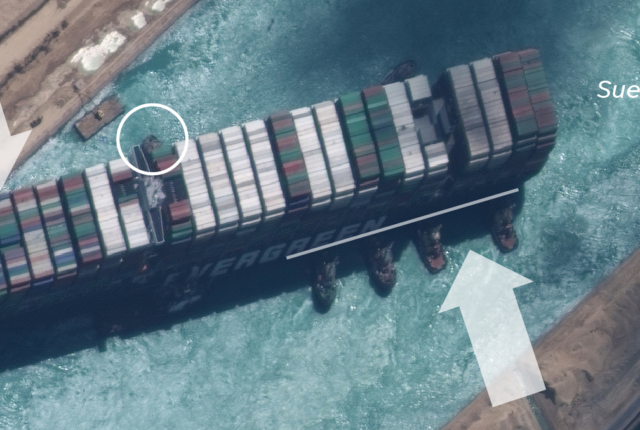
Suez Canal Blockage: Industry Update
Across the Ocean Shipping want to ensure all our customers that we are working c

Miss the Rush, Buy Christmas Presents Now!
Buy Christmas presents now to avoid delays in shipping experts warn. The COVID-1
