




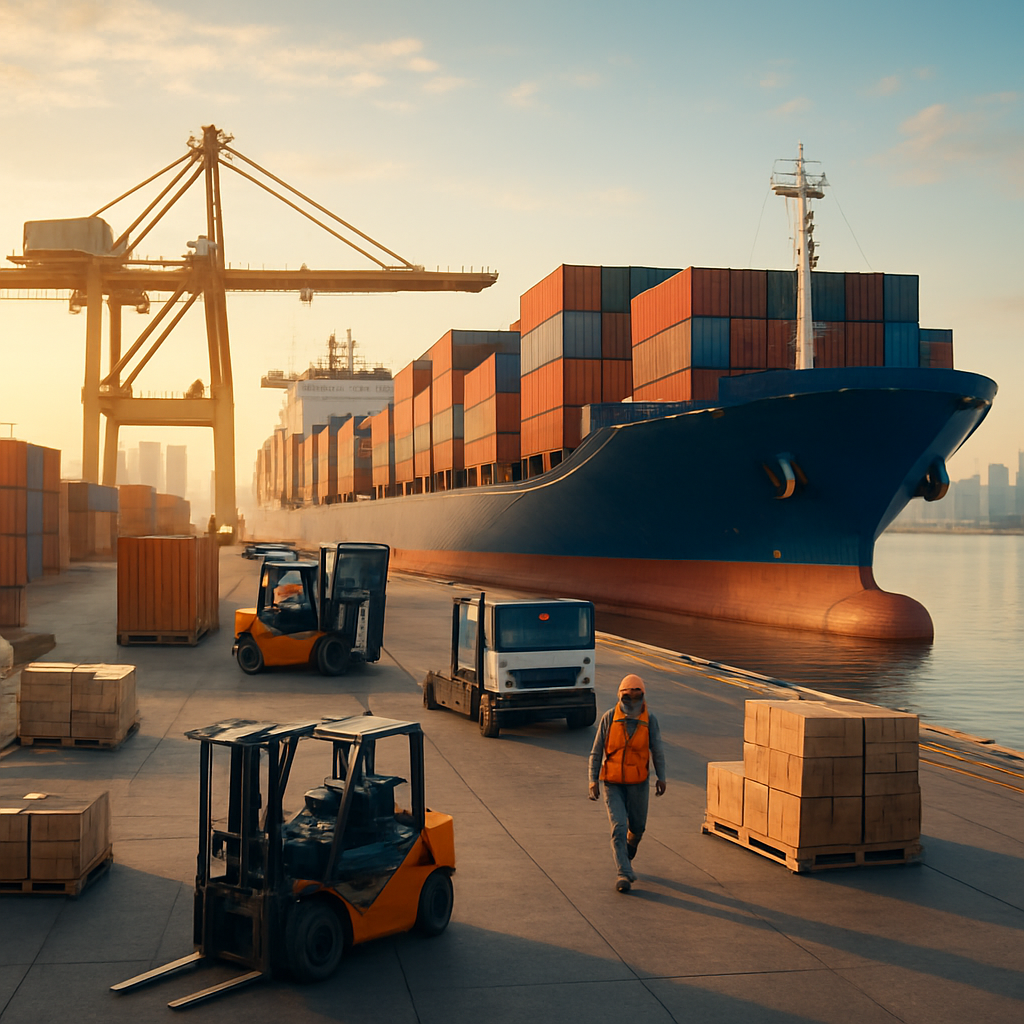
Multimodal Coastal Freight Solutions for Efficient Transport
Multimodal coastal freight solutions are reshaping how shippers move cargo across Europe, and the Netherlands is at the center of this shift. By combining sea, rail, and road, companies can move more volume at lower cost while reducing exposure to highway congestion and volatility in truck capacity. For logistics managers under pressure to cut emissions and improve reliability, multimodal coastal shipping options offer a compelling alternative to purely road-based transport.
1. Reduced Transport Costs Through Smarter Mode Mix
Coastal vessels can carry far larger loads than trucks, driving down the cost per ton-kilometer for regular flows between Dutch and European ports. When paired with short road legs and, where viable, rail, shippers unlock a more efficient mode mix that lowers overall freight spend. This is especially powerful for netherlands port-to-port transport, where volumes justify scheduled sailings and predictable consolidation.
2. Lower Emissions and Stronger ESG Performance
With regulators tightening climate rules, sustainable domestic sea freight is no longer optional for many European supply chains. Compared with long-haul trucking, coastal freight emits significantly less CO2 per ton, helping companies improve ESG scores and meet customer expectations. Independent analyses from organizations such as the European Environment Agency underline the emissions advantage of shifting freight from road to sea and rail.
3. Reliability and Congestion Avoidance
Road congestion across Dutch motorways and cross-border corridors can quickly erode schedule reliability. By routing flows via sea, shippers sidestep many of these bottlenecks and gain access to fixed sailings with stable transit times. When paired with reliable local delivery options at either end, door-to-door coastal cargo solutions can reduce buffer stock and support leaner inventory strategies in complex supply chains.
4. Scalable Capacity for Growing Volumes
As e-commerce and industrial trade expand, truck availability and driver shortages are becoming chronic risks. Coastal container transport Netherlands services offer scalable capacity that can flex with seasonal peaks and long-term growth. For businesses looking beyond basic interstate shipping services, an integrated inland and coastal freight network provides headroom to grow without scrambling for last-minute trucks or paying premium spot rates.
5. Enhanced Reach and Strategic Flexibility
Through major gateways like Rotterdam and Antwerp, coastal freight solutions connect the Netherlands with the UK, Scandinavia, the Baltics, and the Mediterranean. This reach enables exporters and importers to diversify routes, balance risk, and build more resilient networks. Providers such as Domestic & Coastal in Netherlands help design coastwise logistics solutions Netherlands shippers can use to integrate domestic coastal freight services into broader European strategies.
- Clarify which lanes could shift from road to multimodal coastal shipping options without affecting lead times.
- Assess port access, handling capacity, and schedule frequency at your origin and destination markets.
- Model total landed cost, including pre- and post-haulage, storage, and port handling.
- Evaluate partners’ track records in managing door-to-door coastal cargo flows and customs formalities.
- Align coastal strategies with your long-term ESG roadmap and customer service commitments.
If you’re reassessing your European network, now is the time to explore how multimodal coastal freight solutions can cut costs, shrink your carbon footprint, and strengthen reliability. Speak with a specialist to review your current lanes, identify quick wins, and design a tailored sea-road mix that supports your growth and sustainability targets.

Related posts

Lower Volumes of Shipping Predicted
As the Ukraine war continues, lower volumes of shipping have been predicted due

Digital Solution to Track Vessel Emissions
Due to the regulations on carbon emissions becoming increasingly more stringent,
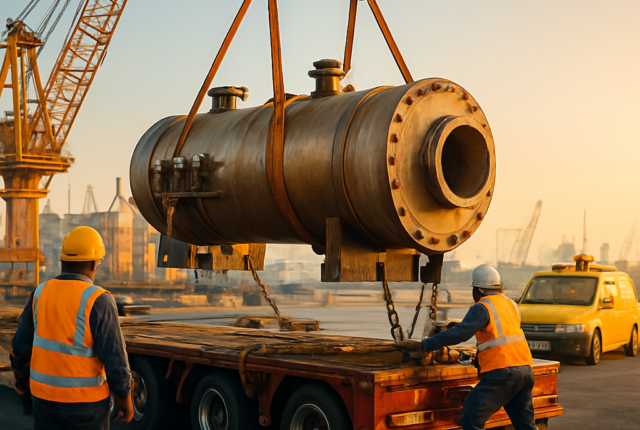
Navigating Oversized Cargo Logistics in the Netherlands
Navigate oversized cargo logistics in the Netherlands with data-led planning, re
