




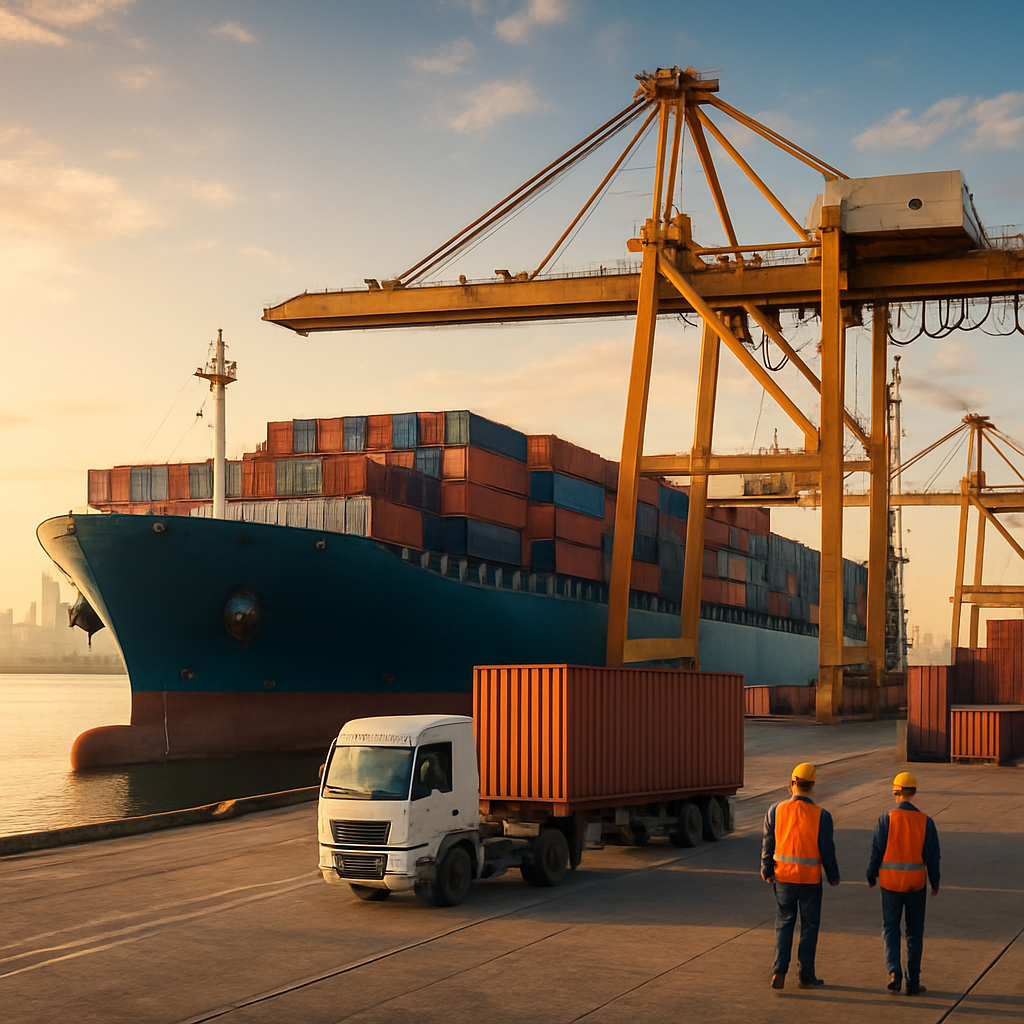
Import and Export Sea Freight: Essential 2026 Strategies
Import and export sea freight is entering a new phase as businesses prepare for 2026. Companies that depend on competitive pricing, reliable schedules, and predictable capacity now face shifting regulations, digital disruption, and growing pressure to cut emissions. For US shippers, aligning long-term strategy with leading markets like Sea Freight in Netherlands can improve resilience, visibility, and cost control across global trade lanes.
5 Essential Sea Freight Strategies to Stay Competitive in 2026
US importers and exporters need a clear playbook for the next cycle of global trade. That means looking beyond freight rates and transit times to redesign how they plan, procure, and manage capacity. The following five strategies focus on practical steps to strengthen Ocean shipping logistics, improve risk control, and support smarter investment in technology and partnerships.
1. Build Green Shipping into Every Contract
Carbon regulation, from fuel standards to emissions reporting, is reshaping contract terms on major trade lanes by 2026. Shippers that demand vessel efficiency data, slow-steaming options, and low-sulphur or alternative fuels now can lock in greener Container shipping options without last-minute cost surprises. Embedding environmental KPIs in tenders helps align carriers and forwarders with your long-term sustainability goals and prepares your brand for stricter disclosure rules.
2. Digitalise Your Visibility from Booking to Delivery
Manual spreadsheets and email chains no longer match the speed of global trade. Investing in track-and-trace platforms, API connections, and port data feeds provides real-time status on end-to-end ocean shipping, from gate-in to final delivery. This level of visibility reduces disputes, supports more accurate inventory forecasting, and gives customer service teams reliable ETAs to communicate to buyers and internal stakeholders.
3. Tighten Customs and Trade Compliance
Regulators are increasing scrutiny on the Customs documentation process, product classifications, and sanctions screening. US companies can reduce delays by standardising their shipping documents checklist, coordinating with brokers earlier, and reviewing their import customs paperwork before cargo departs. A proactive approach to trade compliance for sea freight not only avoids penalties but also prevents missed sailings and unexpected storage or demurrage charges at destination ports.
4. Rebalance Your Global Routing and Capacity Mix
Port congestion, climate-related disruptions, and geopolitical tensions are likely to keep route reliability uneven through 2026. Companies should evaluate alternative sea freight routing options, secondary ports, and diversified carriers rather than relying on a single preferred lane. Analysing performance data by port pair and reviewing the container booking process can reveal where modest changes in routing significantly improve reliability and working capital performance.
- Benchmark carrier performance quarterly across on-time arrivals and roll rates.
- Use multi-port strategies to reduce exposure to any single congestion hotspot.
- Explore containerized freight solutions that balance full-load and less-than-container options.
- Align netherlands export logistics or other regional hubs with your US warehousing network.
- Leverage public guidance from authorities such as the Federal Maritime Commission at https://www.fmc.gov/resources-services/ to stay ahead of regulatory shifts.
E-commerce growth and shorter delivery expectations are pushing B2B and B2C sellers to rethink how sea freight supports their promise to customers. Flexible container shipping options, smarter consolidation, and near-shore staging can all shrink lead times while keeping ocean freight as the backbone of your supply chain. By treating Sea Freight in Netherlands and other leading hubs as strategic gateways, US businesses can integrate fulfilment, value-added services, and responsive logistics into their global operations. To assess your current sea freight strategy and design a 2026-ready roadmap, speak with our specialists today to request a tailored lane review, capacity plan, and cost-optimisation proposal.

Related posts
Australia’s Leading Freight Forwarder is Expanding: New Brisbane Office
Australia’s Leading Freight Forwarder, Across the Ocean Shipping, has opened a
From Port to Port: Streamlining Your Sea Freight Logistics
Navigating the intricate world of sea freight logistics can be challenging, but
Shipping from Australia to China – A House In a Container
Shipping from Australia to China happens daily. When driving over the Bolte Brid
