




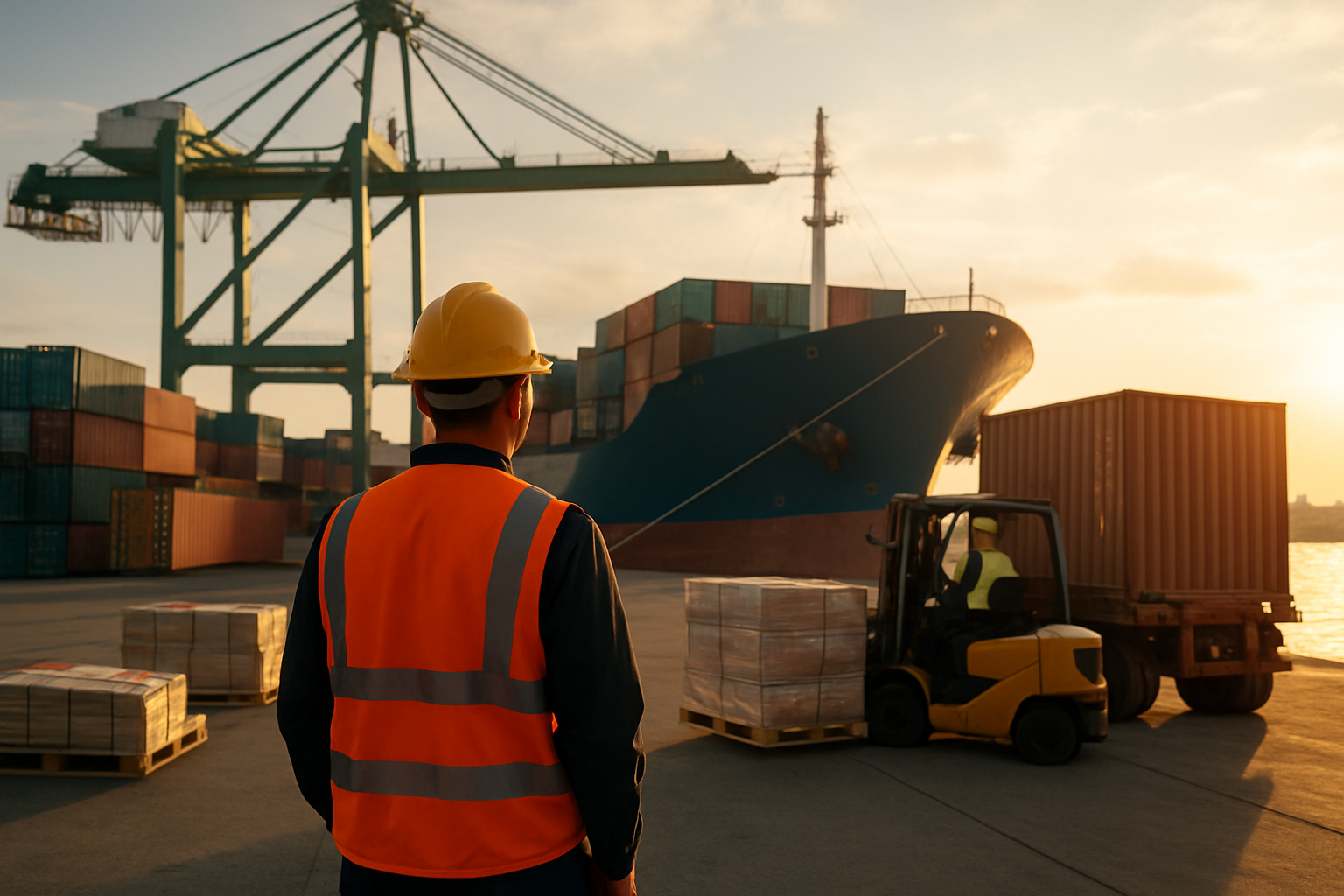
Coastal Freight Rates and Transit Times: A 2026 Update
Coastal freight rates and transit times have shifted sharply in 2026, leaving many European shippers exposed to risks they did not anticipate. Businesses that once viewed coastal routes as predictable, low-cost workhorses are now confronting hidden volatility in both costs and lead times. This new landscape is particularly challenging for companies relying on Domestic & Coastal in Netherlands as a backbone for regional distribution and replenishment.
- Unplanned freight cost spikes eroding margins.
- Delayed cargo missing production slots or retail launches.
- Increased reliance on road freight “firefighting” to rescue late shipments.
- Confusing comparisons between coastal freight solutions and road or rail.
- Difficulty forecasting domestic sea freight transit times with any confidence.
Coastal Freight Rates and Transit Times: A 2026 Update
The primary problem is that many logistics plans still assume last year’s conditions apply to today’s coastal market. In reality, netherlands coastal freight pricing is being distorted by overflowing deep-sea volumes, tighter berth access, and ongoing schedule disruptions. Shippers who continue to budget based on outdated benchmarks risk underestimating landed costs, mispricing contracts, and weakening service commitments to key customers.
Why 2026 Coastal Freight Costs Are So Unpredictable
Several structural forces are converging to push short-sea costs higher and make them harder to forecast. As long-haul ocean trades into North Europe surge, feeder and barge operators are forced to compete for terminal slots at major hubs like Rotterdam and Antwerp. Higher bunker costs, new environmental regulations, and peak-season surcharges are filtering into domestic coastal freight services, often as last-minute add-ons. For planners, the old assumption that coastal tariffs reliably undercut interstate shipping services is no longer safe.
Where Transit Times Are Quietly Slipping
Transit delays are emerging less in sailing schedules and more in what happens before and after vessels reach port. Extended waiting times in congested terminals, limited crane availability, and high yard utilisation can add days to domestic sea freight transit times without any change to the printed timetable. A route advertised as three days port-to-port may regularly stretch to five or six, especially when inland and coastal distribution links are stressed or misaligned with actual vessel arrivals.
Warning Signs Your Coastal Strategy Is Out of Date
Operational warning signs are already visible for many importers and exporters. Frequent rollovers, mounting demurrage, and emergency trucking to bypass delayed sailings are early indicators that existing port-to-port delivery choices are no longer fit for purpose. Misguided modal comparisons are another risk: some coastal container transport services now offer only marginal savings over road, once congestion and handling fees are counted. Without a systematic review, businesses may be clinging to short-sea shipping options that quietly undermine reliability and working capital.
In this environment, treating coastal lanes as a static, low-cost utility is a strategic liability. Companies need multimodal coastal transport solutions built on current rate intelligence, realistic service assumptions, and independent benchmarks from sources such as the Port of Rotterdam Authority at https://www.portofrotterdam.com. A structured review of contracts, schedules, and local delivery options can reveal where coastal freight solutions still add value and where alternative modes or redesigned routings are safer. Before the next peak season, assess your exposure, speak with a logistics expert, and decide whether your 2026 coastal strategy truly matches on-the-water reality.

Related posts
China Trade Bottleneck Worse than the Suez Canal Fiasco?
When the giant container ship the MV Ever Given wedged itself across the Suez Ca
Supply Chain Specialists Turnover Quickly Due COVID
From 2020-2021 due to the shipping crisis from the COVID pandemic, supply chain
End-to-End Project Cargo Management Explained
End-to-end project cargo management explained: learn the hidden risks, warning s
