




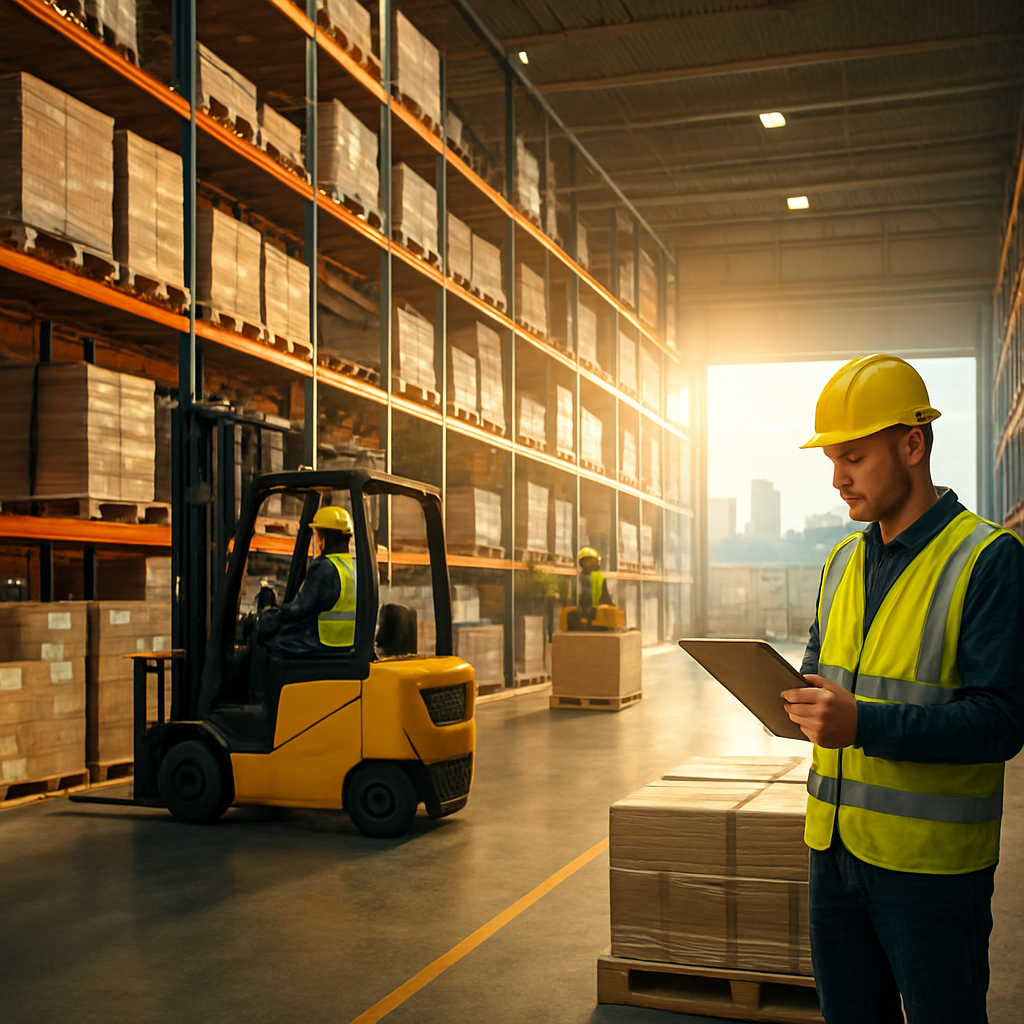
E-commerce Warehousing in the Netherlands: Trends for 2026
Ultra-fast delivery expectations are reshaping e-commerce warehousing in the Netherlands, with same-day and next-day fulfillment rapidly becoming the norm rather than a premium extra. Brands selling into the Dutch market now face rising pressure to accelerate order processing while maintaining accuracy, visibility, and cost control. For many, the strategic choice is no longer if they should upgrade operations, but how quickly they can adapt through smarter facilities, technology, and partners.
E-commerce Warehousing in the Netherlands: 5 Trends Driving 2026 Fulfillment Strategies
As parcel volumes surge past a billion shipments annually, e-commerce warehousing in Netherlands is evolving into a high-tech, data-driven ecosystem. Growing brands must balance delivery promises, returns handling, and seasonal peaks against limited labor and tight real-estate markets. These five trends highlight where operators are investing and how logistics management for e-commerce is changing across the country.
1. Automation Moves from Optional to Essential
By 2026, warehouse automation will be a competitive baseline rather than a differentiator. From WMS platforms to autonomous robots, logistics management solutions are being adopted to cut errors, shorten cycle times, and scale order volumes without a matching rise in headcount. Businesses that cling to manual workflows risk late deliveries, poor pick accuracy, and spiraling labor costs during peak trading windows.
2. Robotics Redefine Labor and Capacity
Autonomous mobile robots and goods-to-person systems are becoming common in Dutch logistics hubs such as Rotterdam, Tilburg, and Eindhoven. These technologies help operators lift throughput in existing buildings, delaying or removing the need for larger premises. For brands, 3PL logistics management support that includes robotics can protect service levels even when labor markets tighten or demand spikes unexpectedly.
3. Sustainability Integrates into Daily Operations
Decarbonisation is no longer a side project; Dutch supply chain optimization now routinely includes electric fleets, energy-efficient facilities, and smarter route planning. In cities piloting zero-emission delivery zones, carriers are experimenting with cargo bikes and automation to reduce strain and risk for staff. Partnering with a provider that offers greener inventory storage options and packaging practices can strengthen both compliance and brand reputation.
4. Networks Shift Closer to the Customer
To support cross-border growth and improve supply chain efficiency, operators are redesigning networks around micro-fulfillment centers and cross-dock hubs near dense urban areas. This reduces last-mile distances and unlocks faster, more predictable delivery windows for customers across Benelux and neighboring EU markets. The right warehouse inventory storage choices can also shorten lead times while limiting safety stock and carrying costs.
5. Data and AI Power Smarter Decisions
Modern facilities increasingly rely on AI for demand forecasting, slotting optimization, and real-time task orchestration. These tools support supply chain efficiency improvements by flagging congestion, aligning labor with order waves, and improving inventory control and storage across multiple sites. For decision-makers evaluating Warehousing in Netherlands partners, questions about analytics capability, integration, and Netherlands logistics optimization should sit near the top of the shortlist.
- Assess whether your current provider can support next-day delivery as a standard, with clear plans for faster options.
- Review flexible warehouse storage plans that align stock locations with your main customer clusters.
- Compare automation levels, robotics use, and data capabilities when shortlisting fulfillment partners.
- Ensure any 3PL can scale capacity rapidly during peak seasons without compromising accuracy.
- Use reliable industry resources, such as the European logistics reports from the European Commission at https://transport.ec.europa.eu/, to benchmark best practices.
If you are rethinking your European fulfillment footprint, a specialist partner can help translate these trends into a practical plan. Look for a provider that combines advanced technology with tailored logistics management for e-commerce, so your brand can grow without heavy upfront capital investment. Start by mapping your demand hotspots, reviewing current pain points, and requesting a consultation to design a scalable, data-driven warehousing solution that fits your growth trajectory.

Related posts
Understanding Warehousing Services in the Netherlands for 2026
Understand warehousing services in the Netherlands for 2026, from automation and
How Pick and Pack Fulfillment Benefits E-commerce Brands
Discover how pick and pack fulfillment benefits e-commerce brands by improving s
Why SAP Warehouse Solutions Are Becoming Essential for European Warehouse Logistic
If you run a European distribution operation, you already feel the pressure: tig
