





Essential Supply Chain Visibility Solutions for Dutch Businesses
The Netherlands sits at the crossroads of European trade, making supply chains both a national strength and a strategic vulnerability. To compete in this environment, Dutch leaders are elevating Supply Chain Optimization in Netherlands from an operational concern to a board-level agenda. The real differentiator is not simply speed or cost, but end-to-end visibility that allows organisations to anticipate disruption, orchestrate partners, and make faster, better-informed decisions.
In a corridor defined by Rotterdam and Schiphol, visibility has become the control system for the entire Dutch supply chain engine.
Forward-looking Dutch companies are moving beyond basic tracking to visibility architectures that connect ports, warehouses, and last‑mile carriers into a single flow of trusted data. Real-time inventory visibility tools combined with GPS, IoT sensors, and event-based alerts give planners and controllers an immediate view of where goods are, their condition, and the implications for customer promises. This creates the foundation for logistics efficiency strategies that are resilient rather than brittle.
The data intelligence layer behind Dutch supply chains
True competitive advantage emerges when visibility data is unified and enriched with analytics and AI. Cloud-based control towers aggregate transport events, warehouse movements, and customer orders into one version of the truth. On top of that, data-driven demand forecasting models help Dutch organisations detect pattern shifts earlier, reducing both stockouts and excess inventory. These capabilities enable advanced inventory optimisation and integrated logistics and inventory planning instead of siloed, reactive decision-making.
Collaboration, trust, and transparency across the chain
Because Dutch exporters depend on multimodal networks and international partners, visibility is ultimately a collaboration challenge, not just a technology one. Platforms that standardise data exchange, combined with blockchain-based traceability for sensitive sectors, create a shared operational picture across shippers, carriers, and customs. This strengthens inventory and demand alignment strategies and supports netherlands-specific logistics efficiency initiatives in sectors like fresh produce, chemicals, and high-tech manufacturing.
Leaders who treat visibility as a strategic asset are already reaping benefits in service reliability, working capital, and sustainability. They benchmark logistics efficiency best practices, refine Inventory management techniques, and experiment with collaborative demand planning solutions across key trade lanes. As a reference point for building this maturity, the World Bank’s logistics performance index highlights how transparency and data sharing correlate with national competitiveness: https://lpi.worldbank.org/. In this context, Supply Chain Optimization in Netherlands becomes a lever for shaping future European standards, not just meeting today’s requirements.
For Dutch executives, the priority now is to assess current visibility gaps, align them with demand forecasting methods and risk scenarios, and pilot targeted improvements with key partners. Start small—one corridor, one product family—then scale what works into a coherent roadmap that links technology, governance, and talent. To explore how these trends could reshape your own network, review your current visibility strategy with your operations and finance leaders and engage a supply chain expert to stress-test assumptions and identify the next set of high-impact moves.

Related posts
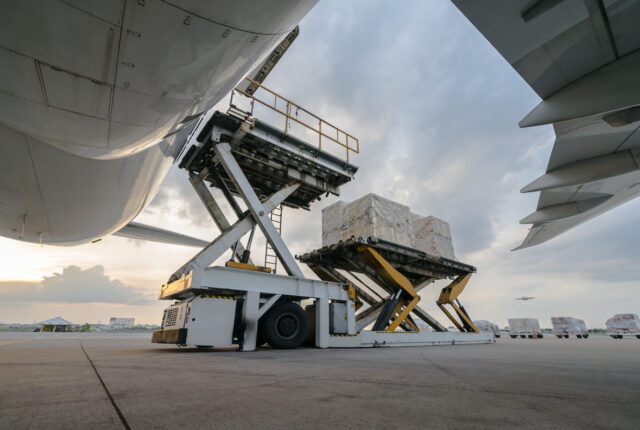
The Role of Air Freight in the Netherlands’ Logistics Hub Status
The Netherlands stands as a beacon in global logistics, renowned for its excepti
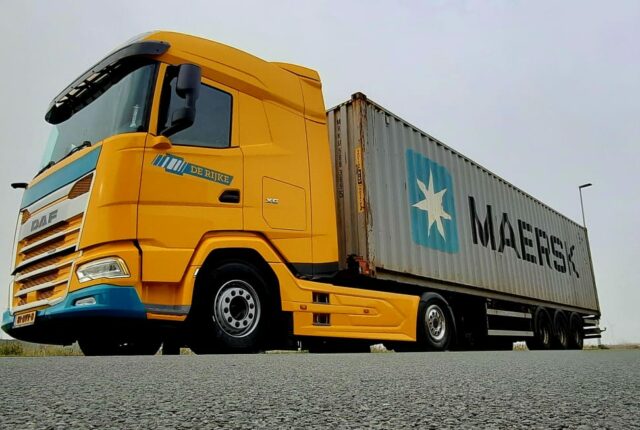
Challenges Facing the Road Freight Sector in the Netherlands
The Netherlands, a pivotal hub in European logistics, has a road freight sector

How Electric Trucks Are Gaining Ground in Dutch Urban Freight Zones
In the Netherlands, businesses relying on urban deliveries and city-centre freig
