




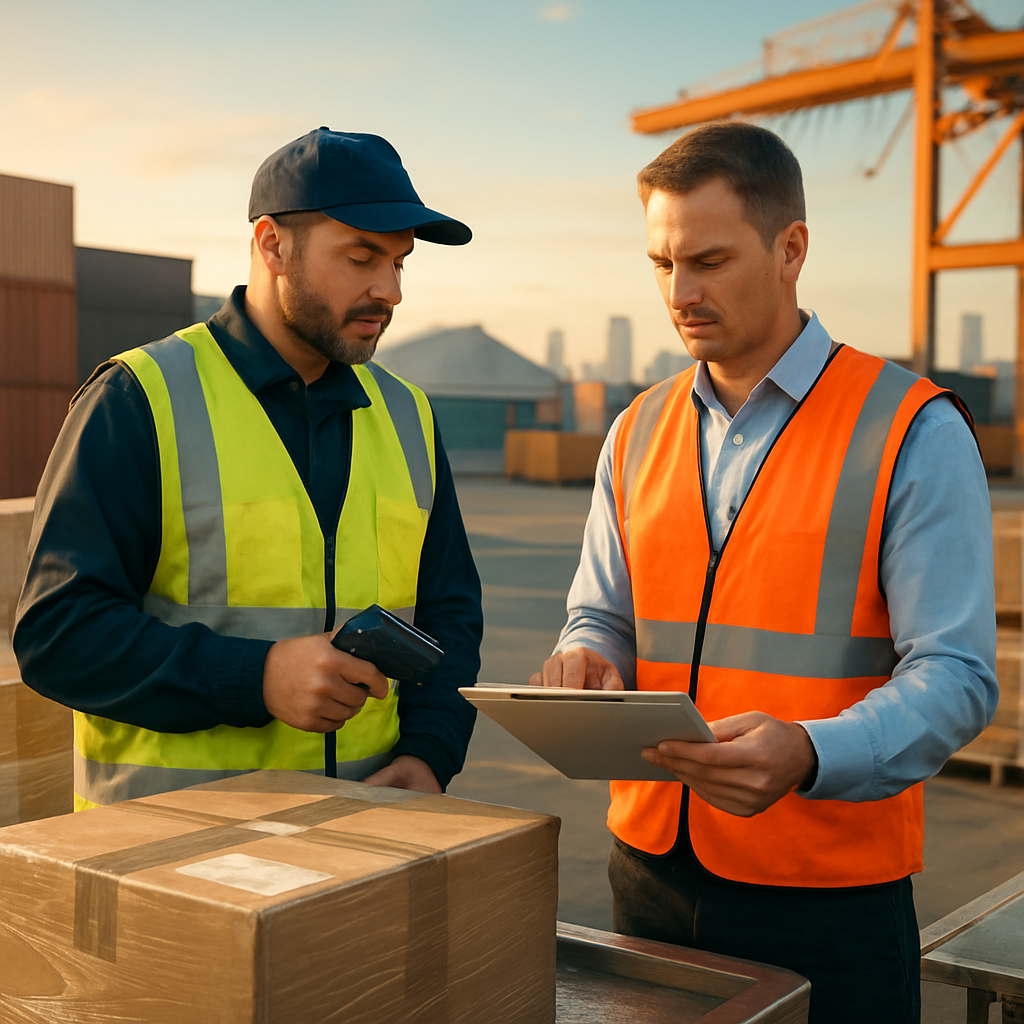
Export Customs Clearance: Key Steps for Dutch Businesses
Understanding export customs clearance in the Netherlands is essential for Dutch exporters who want to move goods efficiently while staying on the right side of import export regulations. Beyond simply lodging forms, businesses must manage data accuracy, risk, and timing so that goods are not held at the border. A growing range of solutions now exists, from in-house teams to outsourced specialists and integrated digital platforms, each with different benefits and limitations.
Understanding Export Customs Clearance in the Netherlands
At the core of Customs Clearance in Netherlands is the correct classification of goods, accurate valuation, and complete export clearance documentation submitted to Dutch Customs. Companies must align HS codes, origin data, and values across the commercial invoice, packing list, and electronic declaration. Any mismatch in the customs documentation process can trigger inspections or delays, especially when authorities assess international shipping compliance for sensitive or controlled products.
Comparing In-House, Broker, and Hybrid Models
Many exporters weigh whether to build internal capability or rely on customs brokers and freight forwarders. An in-house team offers control and direct oversight of Netherlands customs paperwork, which can suit manufacturers with stable product lines and frequent shipments. However, this approach demands constant monitoring of Dutch import export rules and staff who can interpret EU customs documentation guidelines as they evolve. By contrast, outsourcing to a broker transfers much of the operational burden, but introduces dependency on an external partner’s availability and expertise.
Technology and Automation as a Strategic Solution
Specialised customs software can automate data capture from ERP systems, generate declarations, and maintain an auditable trail of international trade compliance steps. These platforms help reduce manual errors in customs paperwork for shipping and support rapid responses when customs authorities ask for clarifications. Some solutions also integrate sanction screening and export control checks, aligning with the EU import compliance checklist and helping companies avoid high-risk destinations or restricted parties. For complex supply chains, technology often underpins a hybrid model in which internal teams prepare data while brokers handle border submissions.
- Assess shipment volumes and product complexity before choosing a customs solution.
- Map current Dutch customs compliance requirements and identify gaps in expertise.
- Evaluate software options that integrate with your ERP or transport systems.
- Compare broker service levels, response times, and audit support history.
- Use independent resources, such as the European Commission’s customs portal at https://taxation-customs.ec.europa.eu/customs-4/customs-duties/customs-tariff/eu-customs-tariff-taric_en, to verify classifications and rules.
When selecting the right mix of solutions, businesses should consider their risk tolerance, growth plans, and audit readiness as much as direct cost. High-tech, chemical, or dual-use exporters often need expert advice to align with export control rules and to maintain robust audit trails of export clearance documentation. For many, the most resilient approach combines trained internal staff, a reliable broker, and technology tailored to EU customs documentation guidelines. To clarify which model best fits your operation, speak with a customs specialist who can review your procedures, benchmark them against best practice, and outline a practical roadmap to stronger, more efficient customs compliance.

Related posts

Port of Long Beach: Shipping Container Update
The Port of Long Beach is the second-busiest shipping container port in the Unit
Suez Canal Blockage: Industry Update
Across the Ocean Shipping want to ensure all our customers that we are working c

Underwater Noise From Boats Negatively Impact Marine Environment
Underwater noise from boats can negatively impact the marine environment and vul
