





Mastering End-to-End Supply Chain Management in 2026
Mastering end-to-end supply chain management in 2026 means moving beyond siloed planning, sourcing, and logistics to a fully connected ecosystem. For US-based leaders, the challenge is balancing resilience, cost, and sustainability while supporting relentless e-commerce growth. Within this context, solution awareness is critical: organisations must understand which platforms, tools, and operating models can actually deliver real-time control, smarter planning, and measurable performance gains.
End-to-end supply chain management in 2026
Modern end-to-end supply chain management in 2026 combines data from ERP, warehouse, transport, and supplier systems into one decision environment. Digital control towers provide real-time inventory and shipment views, supported by predictive alerts and recommended actions. These platforms are powerful where end-to-end logistics efficiency is essential, but they rely on robust integration and data governance. Companies that pair control towers with real-time inventory visibility tools can move from reacting to delays to proactively reshaping production, routing, and customer promises.
AI planning, automation, and resilience solutions
Alongside visibility platforms, organisations are adopting AI-driven planning to improve forecast accuracy and inventory positioning. Data-driven demand planning and demand forecasting methods help planners navigate volatility, frequent promotions, and rapid product launches. At the execution layer, robotics, automation, and digital twins are reshaping fulfilment, enabling warehouse inventory optimisation tips that cut labour-intensive tasks and improve safety. Integrated risk and resilience frameworks, including multi-tier supplier mapping and scenario modelling, help leaders quantify exposure and choose the right mix of sourcing, capacity, and logistics efficiency strategies.
How to evaluate solution options
When weighing build, buy, or partner options, the most important decision factors are data readiness, process maturity, and time-to-value. Some businesses extend existing ERPs with advanced inventory control tactics, custom analytics, and integrated forecasting and inventory capabilities. Others opt for best-of-breed SaaS platforms that embed logistics efficiency best practices out of the box. External benchmarks, such as the OECD’s analysis of AI and resilience in global supply chains at https://www.oecd.org/content/dam/oecd/en/publications/reports/2026/06/strengthening-supply-chains-through-efficiency-resilience-ai-and-environmental-performance_c776c9ff/2a495d96-en.pdf, can help teams compare approaches and clarify trade-offs. Looking at examples like Supply Chain Optimization in Netherlands also shows how different markets adapt solutions to regulatory and customer expectations.
- Assess current data quality, governance, and integration across planning and execution systems.
- Map critical processes, from sourcing and manufacturing to returns, to locate major pain points.
- Prioritise use cases where AI and automation can unlock rapid wins, such as Inventory management techniques.
- Consider vendor roadmaps, implementation support, and how Netherlands demand planning frameworks might inform global design.
- Align stakeholders across supply chain, finance, sales, and IT to define value metrics and ownership.
Bringing these elements together requires structured change leadership and often external expertise. Independent specialists can run diagnostics, test solution scenarios, and recommend Demand forecasting methods or platforms tailored to your risk profile and growth plans. To move forward confidently, map your network, compare technology and partner options, and speak with an expert about which mix of visibility, planning, automation, and resilience tools best fits your roadmap. Now is the right time to request advice or book a consultation so you can choose solutions that turn your supply chain into a strategic advantage for 2026 and beyond.

Related posts
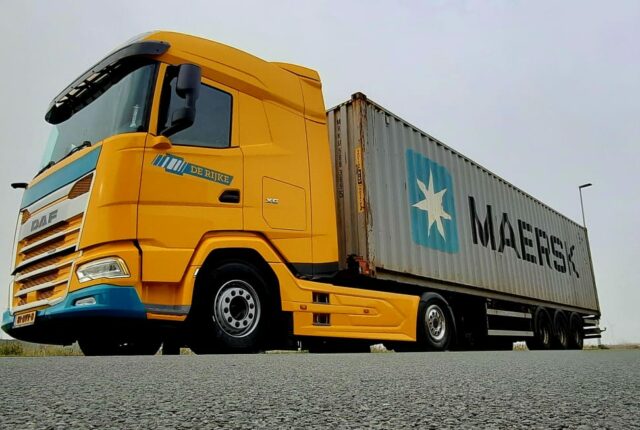
Challenges Facing the Road Freight Sector in the Netherlands
The Netherlands, a pivotal hub in European logistics, has a road freight sector
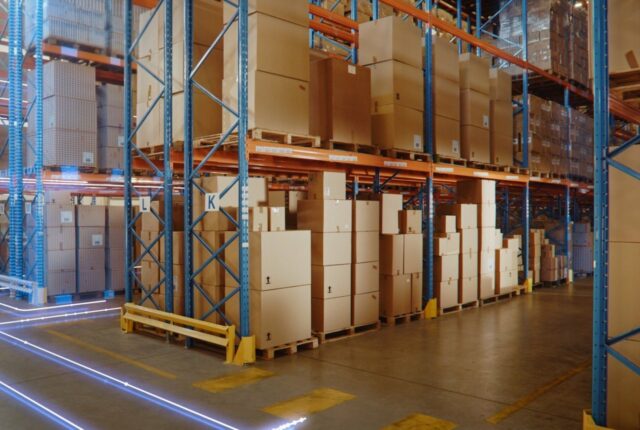
How 4PL Providers Integrate SAP Warehouse Systems Across Global Supply Chains
The Netherlands is built for global trade, but that also means Dutch supply chai
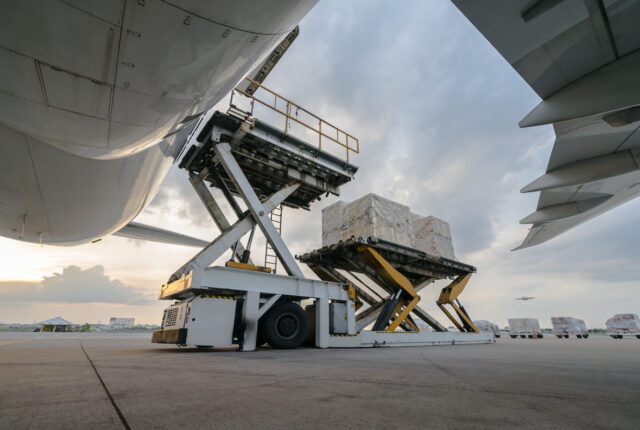
The Role of Air Freight in the Netherlands’ Logistics Hub Status
The Netherlands stands as a beacon in global logistics, renowned for its excepti
