




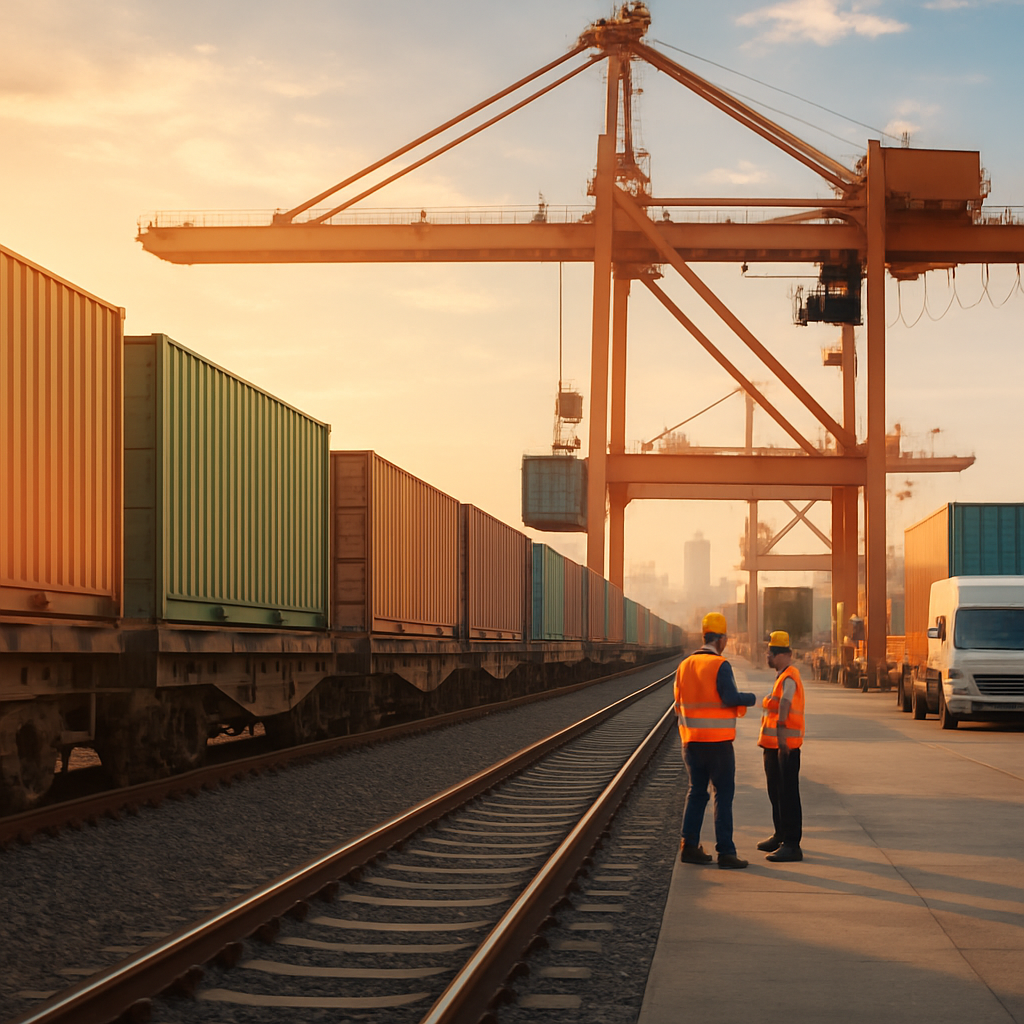
Exploring Intermodal Rail Freight Solutions for Your Supply Chain
Exploring intermodal rail freight solutions is becoming a strategic necessity for shippers that depend heavily on long-haul trucking across Europe. Many organisations still assume their current mix of trucks and trailers is “good enough,” yet rising costs, tightening emissions regulations, and capacity constraints are exposing hidden weaknesses. As networks grow more complex, particularly around major Dutch and German corridors, the risk of disruption and margin erosion increases for any road-only operation.
- Over-reliance on long-distance trucking for European flows
- Escalating transport spend despite stable or falling volumes
- Unpredictable lead times from congested ports and motorway delays
- Growing pressure to cut emissions from transport activities
- Limited visibility into total landed costs across lanes and modes
Why Intermodal Rail Matters for Modern Supply Chains
Intermodal rail has quietly moved from niche option to core backbone for European freight transportation solutions. Dutch statistics show rail volumes reaching 37.8 million tonnes in 2024, with containers nearing half of all flows, signalling a rapid shift toward containerised, rail-supported movements. For shippers, this matters because every extra truck on long-haul routes into Germany, Central Europe, or Scandinavia now carries higher exposure to fuel volatility, driver shortages, and regulatory change.
The Hidden Inefficiencies in Road-Only Strategies
Many logistics and supply chain teams treat congestion at Rotterdam, last-minute spot rates, and weekend delivery failures as unavoidable. Yet these patterns often indicate structural inefficiencies that intermodal shipping services could relieve. When trucks queue for hours at ports or cross-border bottlenecks, companies absorb not just delays but also variable costs, missed delivery windows, and customer dissatisfaction. Over time, these factors undermine competitiveness, especially for exporters serving time-sensitive industrial customers.
How Intermodal Rail Freight Solutions Actually Work
Modern intermodal rail shipping services rely on standard containers that transfer seamlessly between train and truck, avoiding cargo rehandling and reducing risk. In the Netherlands, dense rail corridors connect seaports to inland terminals across Europe, supporting predictable line-haul by train and flexible first and last mile by road. According to the European Court of Auditors’ 2023 special report on intermodal freight transport performance in the EU (https://www.eca.europa.eu), shifting suitable volumes to rail can significantly reduce transport emissions and congestion exposure.
Common Misconceptions Holding Shippers Back
One of the biggest blockers to integrated rail freight solutions is the belief that rail only works for huge, non-urgent loads. In reality, scheduled services and digital tracking now support frequent departures and reliable transit times that rival road on key corridors. Another misconception is that introducing rail will add complexity; often the real problem is limited data on route-level costs, dwell times, and disruption patterns. Without that insight, businesses struggle to evaluate sustainable rail freight transport or more advanced rail freight transportation solutions.
Several warning signs suggest it is time to review your network and consider Rail Freight in Netherlands as part of a rail-focused logistics and supply chain strategy. Escalating transport budgets, rising emissions scrutiny, and persistent delivery complaints all point to a need for rail freight supply chain optimisation and more resilient cross-border rail shipping services. Assessing end-to-end intermodal logistics options now helps you avoid rushed decisions later, when disruption or new regulation forces rapid change.
If these challenges sound familiar, treat them as an opportunity to benchmark your current model against smarter intermodal rail freight solutions. Start by mapping your longest, most vulnerable lanes and identifying volumes that could shift to rail-backed services without compromising customer commitments. Speaking with neutral experts can help quantify the trade-offs, clarify where intermodal makes sense, and design a phased transition that supports your commercial and sustainability goals. Act now to stress-test your network before the next major disruption does it for you.

Related posts
Cargo on Rails: Maximizing Efficiency in Rail Freight Operations
In the dynamic world of logistics, efficiency is the cornerstone of success. Whe
Impact of E-Commerce Growth on Logistics Companies
The impact of e-commerce growth on Logistics companies in recent years has been
Rail vs Road: Best Freight Forwarding Options Explored
When it comes to moving goods, the choice between rail and road isn’t just
