




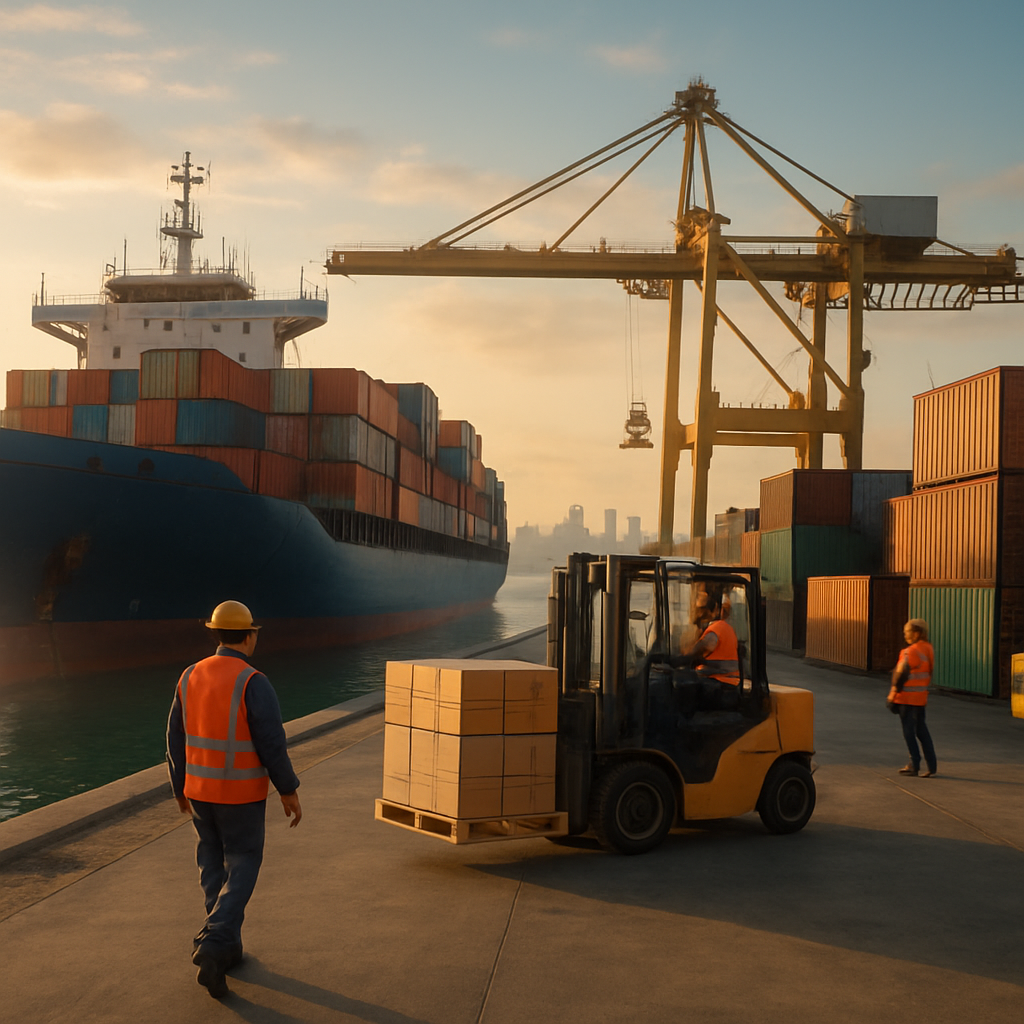
Coastal Container Shipping Explained: Key Insights for 2026
Coastal container shipping options in Europe are entering 2026 at a decisive inflection point. As deep-sea carriers consolidate calls at mega-hubs such as Rotterdam, coastal and short-sea operators are becoming the critical interface between these gateways and regional economies. For logistics leaders, this is now a board-level design issue, not a marginal routing decision. Those who understand how coastal services reconfigure risk, cost, and carbon will shape the next generation of resilient supply chains.
Coastal container shipping is shifting from a niche alternative to a primary tool for orchestrating European freight flows, especially around North-Western hubs.
Three forces are converging: cost inflation on long-haul road, tightening emissions regulation, and chronic congestion around major corridors. Recent Eurostat data on short-sea volumes, alongside Dutch statistics on inland waterway growth, confirm that European shippers are already moving substantial flows away from pure trucking. Coastal freight solutions are becoming the practical mechanism for absorbing volatility, repositioning empties, and smoothing seasonality across complex, multi-country networks.
Coastal Container Shipping Options in a Hub-and-Spoke Europe
The dominant network architecture is now a hub-and-spoke model, with ultra-large container vessels calling at a limited set of deep-sea hubs. Around these hubs, coastal feeders and barges create fine-grained connectivity to secondary ports and inland terminals. This shift favours shippers willing to redesign routing and inventory policies instead of clinging to direct-call assumptions. It also creates new opportunities for multimodal coastal freight transport that blends sea, barge, rail, and selective trucking into a single controlled corridor.
Strategic Role of Domestic & Coastal in Netherlands
The Domestic & Coastal in Netherlands segment illustrates how coastal networks can operate as resilient control towers for North-West Europe. Rapid growth in inland waterway TEU volumes, combined with domestic coastal freight services, is relieving pressure on motorways while preserving service reliability during port disruptions. For global manufacturers, this enables more nuanced use of netherlands port-to-port shipping, including multi-port entry strategies, buffer stock at inland depots, and coastwise cargo transport netherlands solutions that decouple production schedules from deep-sea vessel timing.
Logistics leaders should treat coastal services as a design variable, not an afterthought. That means stress-testing current routings, challenging default reliance on interstate shipping services, and actively modelling scenarios where sustainable domestic sea freight manages base load demand while trucks focus on high-value local delivery options. Reviewing network strategies with a specialist partner can reveal where door-to-door coastal delivery or other coastal container shipping options can unlock capacity, improve emissions performance, and support long-term competitiveness.
To stay ahead of these shifts, leaders should benchmark their portfolio against public data sources such as the European Commission’s maritime transport statistics at https://transport.ec.europa.eu/transport-modes/maritime_en and then translate those insights into practical route redesign. As coastal networks mature, those who move first will gain preferential access to space, data visibility, and local coastal logistics support that competitors may struggle to secure. Now is the moment to reassess your European freight design, identify high-impact modal shifts, and engage experts who can help re-architect your coastal freight strategy for 2026 and beyond.

Related posts

Miss the Rush, Buy Christmas Presents Now!
Buy Christmas presents now to avoid delays in shipping experts warn. The COVID-1
Suez Canal Blockage: Industry Update
Across the Ocean Shipping want to ensure all our customers that we are working c

Unaccompanied Baggage Shipping and The Football World Cup
The World Cup has been played on the continents of Europe, South America, North
