





Customs Compliance Documentation: A 2026 Overview for Businesses
Customs Compliance Documentation: A 2026 Overview for Businesses
Why customs compliance documentation matters in 2026
In 2026, customs compliance documentation is a strategic capability that separates leading global traders from those struggling with delays and penalties. Businesses that treat customs paperwork as a core part of their supply chain design gain faster border releases, more predictable landed costs, and greater resilience when rules change. This is especially true for companies navigating EU import export rules, US enforcement, and intense scrutiny at major logistics hubs. The businesses that stand out are those that integrate regulatory thinking into every shipment, not just year-end audits.
A key differentiator is how deeply a company embeds the customs documentation process into its commercial, logistics, and finance systems. Rather than rekeying information at each step, advanced operators maintain a single source of truth for product data, valuation logic, and origin records. This reduces manual errors, accelerates filing times, and supports international shipping compliance across multiple jurisdictions. For clients, the result is fewer surprises at the border and a clearer view of cost and risk before goods move.
Customs compliance documentation as a competitive advantage
What sets a modern customs partner apart is not only knowing the rules, but engineering them into daily operations. Leading providers actively map every data element required for border clearance documentation to commercial invoices, transport documents, and digital declarations. They build audit-ready trails for HS classification decisions, preference claims, and import duty and VAT rules, so clients can defend their positions if questioned. This structured, evidence-based approach reduces dispute risk and avoids costly rework.
Another differentiator is the ability to manage complex regimes such as Customs Clearance in Netherlands while keeping processes simple for shippers. Experienced teams translate Netherlands customs paperwork requirements into clear checklists, templates, and system fields that non-specialists can follow. By aligning master data with trade compliance requirements from the start, they minimise last-minute document requests and intervention from authorities. Over time, this creates a reputation with customs for consistent, reliable declarations.
- Integrated master data management for HS codes, valuation methods, and origin records across all systems.
- Proactive monitoring of import export regulations and EU customs reforms to update processes before changes take effect.
- Digital validation of shipping documents for exports against WCO, EU, and US data standards.
- Structured workflows for customs paperwork for businesses, including approvals, version control, and audit trails.
- Specialised knowledge of customs compliance for shippers using high-volume e-commerce and multi-country distribution.
EU and Netherlands focus: what makes an expert partner different
In the EU, the shift to a centralised Customs Data Hub and tighter supervision of low-value consignments are transforming expectations. Providers that stand out invest in systems aligned with the EU Customs Data Model and build scenarios that reflect real trade flows, not generic templates. They understand how Dutch ports and airports interpret EU import export rules in practice and can pre-empt local documentation nuances. This practical insight reduces queries, helps avoid misclassification, and ensures consistency across large volumes of entries.
US CBP expectations and global consistency
In the United States, U.S. Customs and Border Protection expects importers to maintain comprehensive, consistent records for at least five years. Differentiated providers design global frameworks so that data used for US entries is harmonised with EU and other markets, avoiding conflicting product descriptions or values. Their teams apply the same disciplined logic to country of origin, admissibility, and audit files worldwide, strengthening international shipping compliance. For detailed background on the WCO’s data-driven approach, businesses can reference the World Customs Organization’s SAFE Framework at https://www.wcoomd.org/en/topics/facilitation/instrument-and-tools/frameworks-of-standards/safe_package.aspx.
- Single global policy for classification, valuation, and origin that supports consistent filings and dispute defence.
- Technology that flags gaps in border clearance documentation before submission to customs.
- Regular internal reviews that benchmark filings against changing import export regulations.
- Clear escalation paths when authorities question declarations, avoiding shipment holds and penalties.
- Ongoing training so teams understand EU import export rules, US expectations, and local practices.
If you are reviewing your customs strategy for 2026, now is the time to compare how potential partners handle data, governance, and risk. Look for evidence of integrated systems, documented decision-making, and experience with high-volume, multi-country flows, not just basic brokerage capability. A provider that treats customs compliance documentation as a strategic asset will help you reduce delays, improve cost predictability, and protect your reputation with authorities. Speak with our team today to review your current approach, identify documentation gaps, and design a more resilient, future-ready compliance framework.

Related posts

Export Customs Clearance: Key Steps for Dutch Businesses
Learn the key steps and solution options for export customs clearance in Netherl
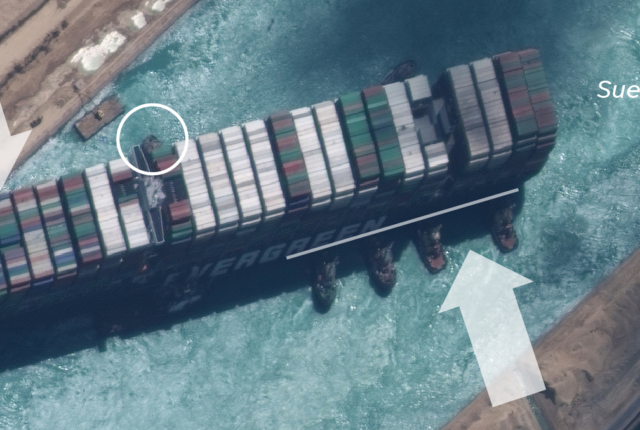
Suez Canal Blockage: Industry Update
Across the Ocean Shipping want to ensure all our customers that we are working c

Battery-Powered Ships funded By Norwegian Government
The Norwegian government was to reach net zero carbon emissions across all indus
