





E-Commerce Air Freight Solutions for Dutch Businesses
E-commerce air freight solutions for Dutch businesses stand or fall on how well they combine speed, reliability, and cost control for international orders. While many providers promise efficiency, only a few back this up with integrated technology, transparent support, and tailored options for complex online retail networks. Dutch exporters and webshops therefore need partners that understand both aviation logistics and digital commerce, rather than generic parcel shipping alone.
E-commerce air freight solutions for Dutch businesses
Truly competitive e-commerce air freight solutions for Dutch businesses start with a clear understanding of platform integration, customs complexity, and fluctuating demand. Leading providers such as DHL Express, UPS, FedEx, KLM Cargo, and PostNL all offer tracking and customs tools, but their real differentiation lies in how they support scalable order flows and data-driven fulfilment. For growing webshops, seamless connections between order management systems and air carriers can be more valuable than marginal rate savings.
For companies shipping from major Dutch hubs, the ability to consolidate orders, pre-clear customs, and allocate shipments dynamically across multiple carriers is a critical edge. Air freight in Netherlands is particularly effective when combined with smart routing that uses both integrators and traditional airlines, matching each parcel or pallet to the optimal service. This approach helps balance cost with performance on every lane, rather than locking into a single inflexible product.
- Advanced shipment visibility and proactive exception alerts across all air carriers
- Integrated customs data and automated documentation for smoother border clearance
- Configurable service levels aligned with customer promises and cut-off times
- Hybrid routing that combines express networks with scheduled airline capacity
- Analytics-driven optimisation of routes, services, and Air freight pricing factors
Balancing speed, cost, and reliability in Dutch e-commerce
Where providers often differ most is in how they handle urgent shipment logistics without eroding margins. Some focus on speed at any cost, while others prioritise low rates but accept longer transit times and fewer delivery guarantees. A differentiated approach designs specific Time-sensitive air cargo solutions for high-value or seasonal products, while using more economical air options for predictable, non-urgent flows.
Technology and process advantages that matter
Technology is another major separator. Providers that support urgent air freight planning via APIs, real-time tracking, and automated service selection give Dutch e-commerce teams far more control. They can see the air freight cost breakdown before confirming an order, test scenarios for fast transit time optimisation, and dynamically shift volume when disruptions arise. This reduces risk for merchants that rely on strict delivery promises to retain customers.
- Specialised logistics for rush air cargo with predefined workflows and escalation paths
- Clear communication of factors influencing air rates, including fuel, surcharges, and dimensional weight
- Service design for time-critical cargo by air, including weekend and late cut-off options
- Scenario-based express air cargo pricing to compare speed versus cost in real time
- Proven track record in reliable urgent air delivery backed by measurable KPIs
For decision-makers evaluating partners, independent guidance such as IATA’s resources on air cargo standards at https://www.iata.org/en/programs/cargo/ can help frame operational and compliance questions. When discussing offers, ask providers to demonstrate how they adapt capacity during peaks, manage exceptions, and support sustainable routing. Stronger partners will show concrete processes rather than generic promises.
Choosing your next step in Dutch e-commerce air freight
If you are comparing options for logistics for rush air cargo or planning long-term international growth, focus on providers who combine robust airline access, smart technology, and data-driven pricing. The right partner should explain express options, standard services, and how they minimise volatility in air costs over time. A well-structured solution will keep your brand promise intact while maintaining healthy margins across markets.

Related posts
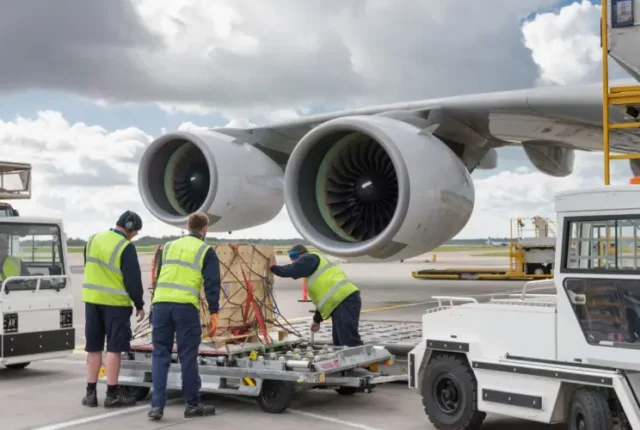
Air Freight Trends: Exploring the Impact of Global Trade on the Aviation Industry
In today’s interconnected world, global trade plays a significant role in

Airlines Report Cargo Operations ‘Severely Affected’ by Outage
Delays and backlogs are expected across the air cargo industry, following the Mi
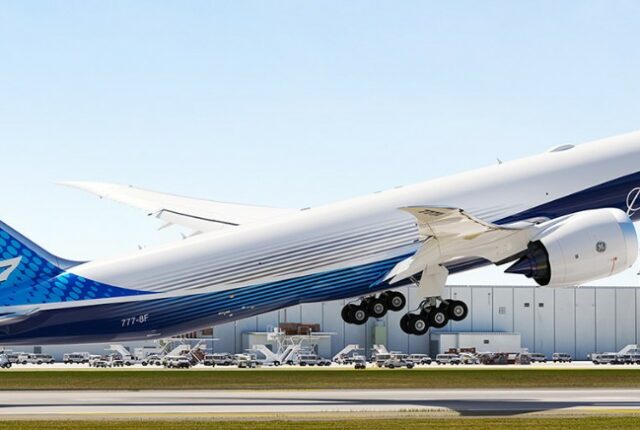
Boeing Fails to Deliver 777 Freighters to 12 Waiting Airlines
Boeing admitted yesterday that it had failed to deliver a single 777 freighter i
