




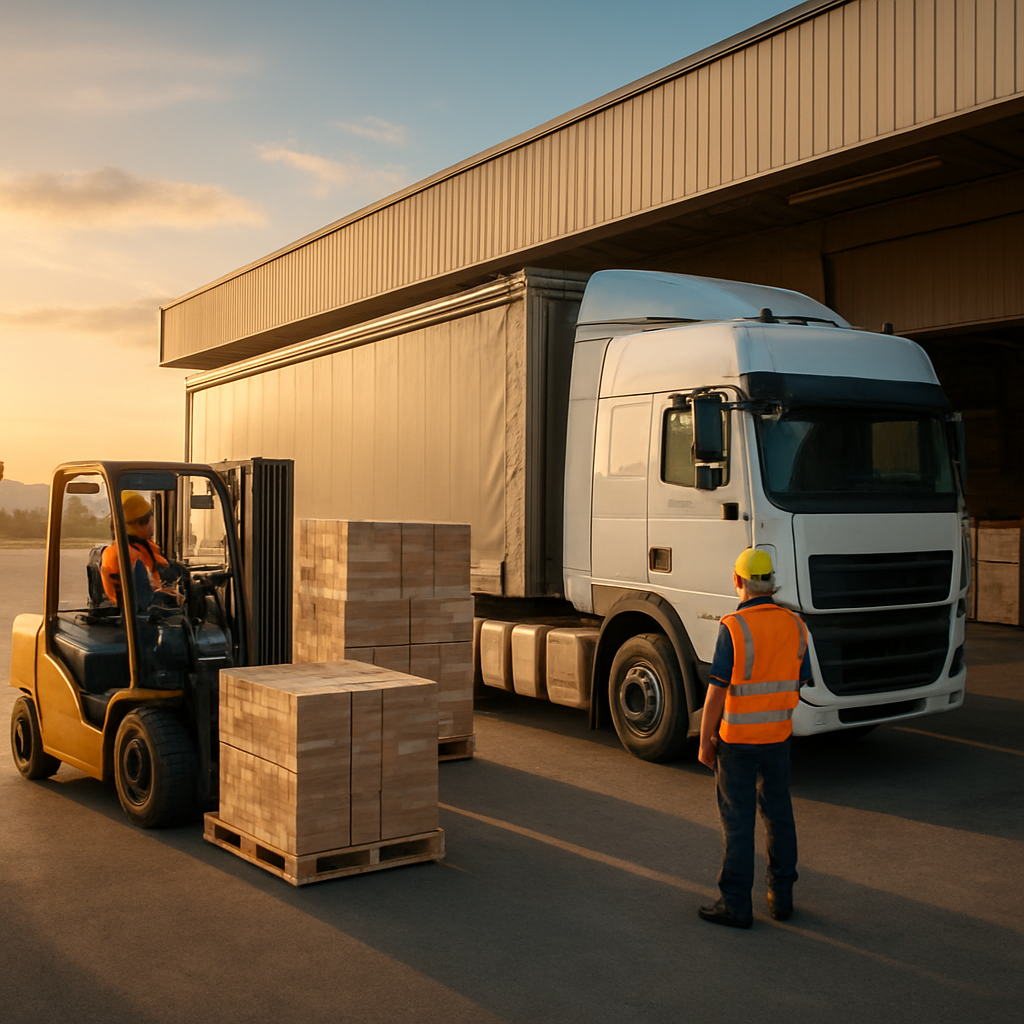
Heavy Haulage Road Freight: What You Need to Know
Heavy haulage road freight in the Netherlands and EU is a high-stakes, tightly regulated operation where a single oversight can halt your project. For shippers moving oversized machinery, infrastructure components, or energy assets, understanding the rules is essential to avoid delays, fines, and safety incidents. This guide outlines key factors to get heavy loads moving legally and efficiently while supporting lead generation for specialist operators.
1. Heavy haulage road freight in the Netherlands: permit rules you can’t ignore
Every oversize or overweight load requires a permit tailored to its dimensions, axle loads, and exact route. Authorities scrutinize turning radii, bridge limits, and urban bottlenecks before approving moves. Missing paperwork can see vehicles grounded at the roadside. Experienced providers blend freight transportation services with local regulatory insight to secure permits quickly and keep projects on schedule.
2. Detailed route planning to protect infrastructure and timelines
Heavy haulage freight transportation depends on meticulous route surveys that factor in bridge clearances, roadworks, narrow village streets, and low tunnels. In practice, this may mean detours of hundreds of kilometres to safeguard structures and comply with municipal rules. Operators offering road freight transportation services use mapping tools, pilot car feedback, and authority consultations to design viable, repeatable routes.
3. Escorts, signage, and strict safety protocols
Most abnormal loads require escort vehicles, warning signage, and sometimes temporary traffic management. These measures are designed to protect other road users and support drivers handling extreme lengths or widths. From beacon lights to load-specific securing methods, compliance is closely monitored. Shippers should look for partners whose logistics and shipping solutions include safety planning, driver training, and incident-ready procedures.
4. Cross-border coordination across EU jurisdictions
Once heavy haulage crosses a border, regulations, permit formats, and operating windows can change overnight. Effective cross-border logistics and shipping relies on understanding each state’s requirements for escorts, police involvement, and weekend or holiday bans. Companies that manage international road logistics solutions streamline approvals and synchronise schedules, avoiding idle equipment at borders and costly project overruns.
5. Optimising time windows and capacity for critical projects
In many EU states, heavy moves are limited to off-peak or night hours to minimise congestion. That compresses available time for each run and raises the stakes for flawless execution. Shippers weighing cargo delivery options should prioritize operators who can coordinate multiple moves, integrate FTL and LTL freight transportation where possible, and still meet strict curfews.
- Check early if your load qualifies as abnormal or oversize by national standards.
- Confirm bridge and tunnel restrictions for your preferred route before tendering.
- Ask providers how they handle netherlands road cargo delivery options for complex projects.
- Review how potential partners manage door-to-door cargo delivery options under tight time windows.
- Use Eurostat data to benchmark heavy haulage volumes and understand market constraints.
For shippers comparing european logistics and shipping solutions, verified reference data from Eurostat offers insight into trends, safety performance, and infrastructure pressure points across member states, helping inform carrier selection and risk planning; for example, Eurostat publishes detailed road transport statistics at https://ec.europa.eu/eurostat. When planning Road Freight in Netherlands projects, partnering with a specialist that understands both national rules and EU-wide standards can turn a regulatory challenge into a competitive advantage. To safeguard your next heavy move, request a consultation with a heavy haulage expert who can assess your route, permits, and risk profile before you commit to a schedule.

Related posts
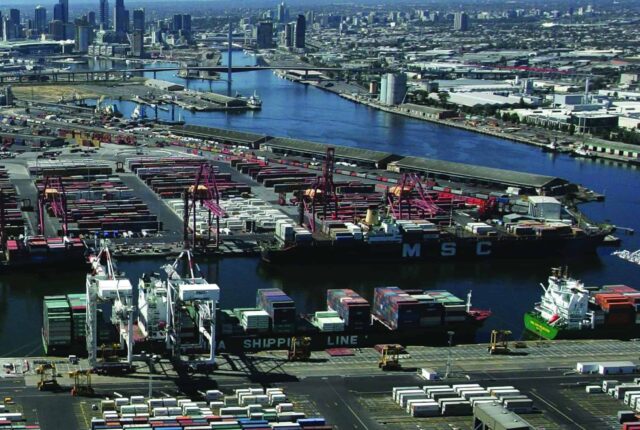
Severe Congestion at DP World Melbourne Terminal
Landside logistics operators are continuing to experience extreme congestion at
Driver Safety: Comprehensive Road Freight Security Measures
In today’s fast-paced world of logistics, driver safety goes beyond naviga
Strengthening Road Freight Networks for Future Success
In our interconnected world, the efficiency and reliability of the road freight
