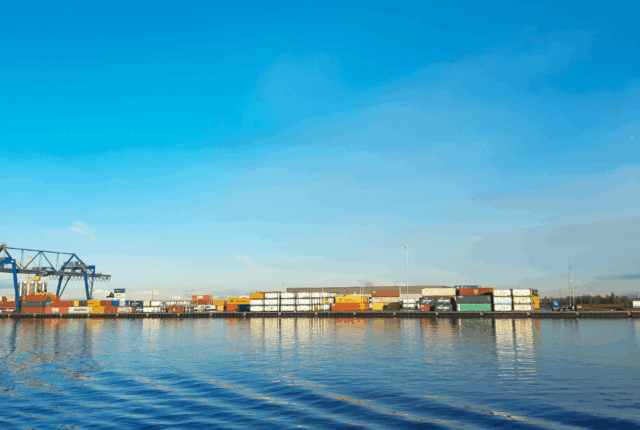


Sustainable Supply Chain Optimisation Techniques for 2026
Sustainable Supply Chain Optimization in Netherlands is rapidly becoming a board-level priority as manufacturers, retailers, and logistics providers race to cut emissions while protecting margins. For US and European decision-makers working with Dutch hubs, the challenge is balancing cost, service, and climate targets in a market defined by strict regulation and dense cross-border trade. The following techniques show where leading firms are investing to future-proof operations and support a more resilient, low-carbon network by 2026.
1. Design Products for Circular Flows
Embedding circular economy principles into product design reduces exposure to volatile raw-material prices and tightening waste rules. Modular components, mono-material packaging, and repair-friendly construction make it easier to remanufacture and recover value at end of life. Companies combining these moves with reverse logistics efficiency strategies are finding they can unlock new revenue streams in refurbishment while shrinking landfill volumes and regulatory risk.
2. Target Scope 3 Emission Hotspots First
For most supply chains, Scope 3 emissions from purchased goods, transport, and end-of-life dominate the footprint. Leaders are using granular lifecycle data and data-driven demand planning to identify carbon-intensive lanes, materials, and suppliers. That evidence underpins tougher supplier contracts, joint renewables projects, and modal shifts toward rail or barge on major European corridors, all while maintaining service levels.
3. Use AI to Align Demand, Inventory, and Transport
AI-enabled demand forecasting methods are helping planners respond faster to volatile orders, weather swings, and promotion spikes. When integrated with advanced inventory control methods, these tools trim safety stock without pushing up stockouts. The same data feeds can support integrated logistics and inventory optimisation, where dynamic routing and load-building algorithms cut empty miles and fuel burn across Benelux and German markets.
4. Build Real-Time Visibility and Control Towers
IoT sensors on containers, trailers, and high-value pallets now power real-time logistics performance tracking across multimodal networks. Cloud control towers use this data to reroute shipments around congestion, manage cold-chain risks, and benchmark carrier sustainability. Firms adopting lean warehousing and inventory strategies on top of this visibility are seeing double benefits: tighter working capital and fewer expedited shipments.
5. Partner with Suppliers on Ethics and Resilience
Mapping multi-tier supplier networks is essential to uncover human-rights risks, single-source dependencies, and climate vulnerabilities. Organizations that pair this mapping with practical Inventory management techniques and supplier training are reducing disruption exposure and compliance headaches. As regulations tighten, many are consulting the European Commission’s guidance on sustainable supply chains at https://environment.ec.europa.eu to align due-diligence processes.
- Assess whether your current network design supports sustainable logistics efficiency improvements by 2026.
- Review planning tools to ensure they support netherlands-focused demand planning and cross-border flows.
- Check if existing processes reflect logistics efficiency best practices across warehousing and transport.
- Evaluate whether your team can realistically manage AI, IoT, and regulatory complexity in-house.
- Identify where expert support could accelerate your roadmap for Supply Chain Optimization in Netherlands and beyond.
If your organization is struggling to turn sustainability intent into measurable results, a specialist partner can help you translate regulation, technology, and operational constraints into a clear roadmap. By combining external expertise with your internal data, you can prioritise high-impact initiatives, sequence investments, and build a compelling business case for leadership. Now is the time to schedule a consultation with a supply chain optimisation specialist, benchmark your current network, and define the concrete steps required to build a more resilient, profitable, and sustainable supply chain by 2026.

Related posts
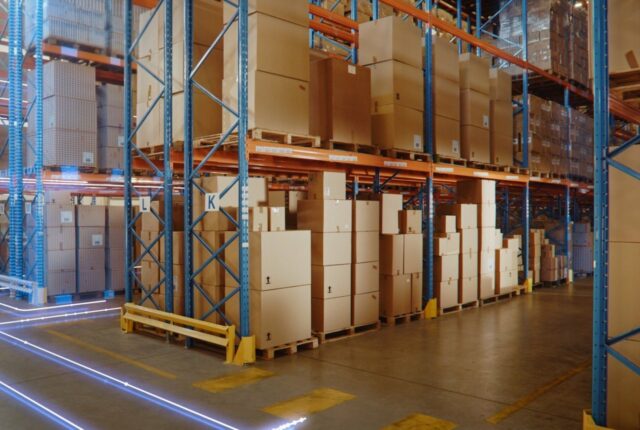
How 4PL Providers Integrate SAP Warehouse Systems Across Global Supply Chains
The Netherlands is built for global trade, but that also means Dutch supply chai
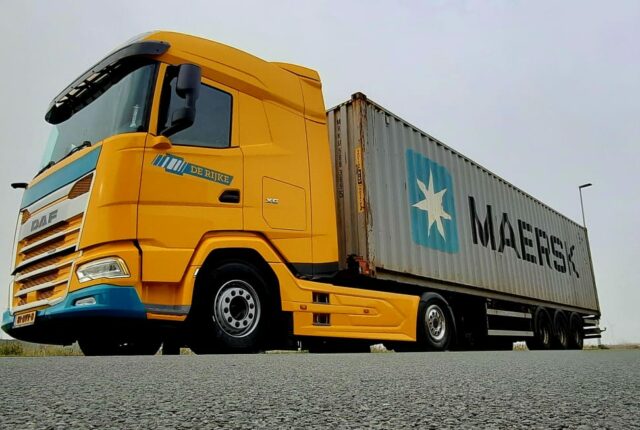
Challenges Facing the Road Freight Sector in the Netherlands
The Netherlands, a pivotal hub in European logistics, has a road freight sector