



Energy Project Logistics: Trends and Innovations in the Netherlands
Energy Project Logistics: Trends and Innovations in the Netherlands
5 Ways Energy Project Logistics in the Netherlands Is Transforming Investment Decisions
Energy project logistics in the Netherlands is evolving fast as offshore wind, hydrogen, and new fuels reshape how complex cargo moves through Dutch ports. For developers, EPCs, and investors, logistics is no longer a back-office function but a core part of risk management and cost control. Understanding the latest trends in Project Logistics in Netherlands can help you avoid delays, contain costs, and design bankable execution plans for large-scale energy investments.
1. Integrated Port Hubs Streamline Complex Energy Projects
Ports such as Rotterdam, Amsterdam, and Eemshaven are being developed as integrated energy hubs, concentrating heavy-lift capacity, laydown areas, and direct road, rail, and inland waterway links. This clustering reduces handovers in the project cargo supply chain and cuts exposure to interface risk between contractors. For project owners, a single logistics ecosystem simplifies supply chain management, shortens critical-path timelines, and improves accountability from marshalling yard to offshore site or industrial cluster.
2. Offshore Wind Logistics Are Scaling Up and Automating
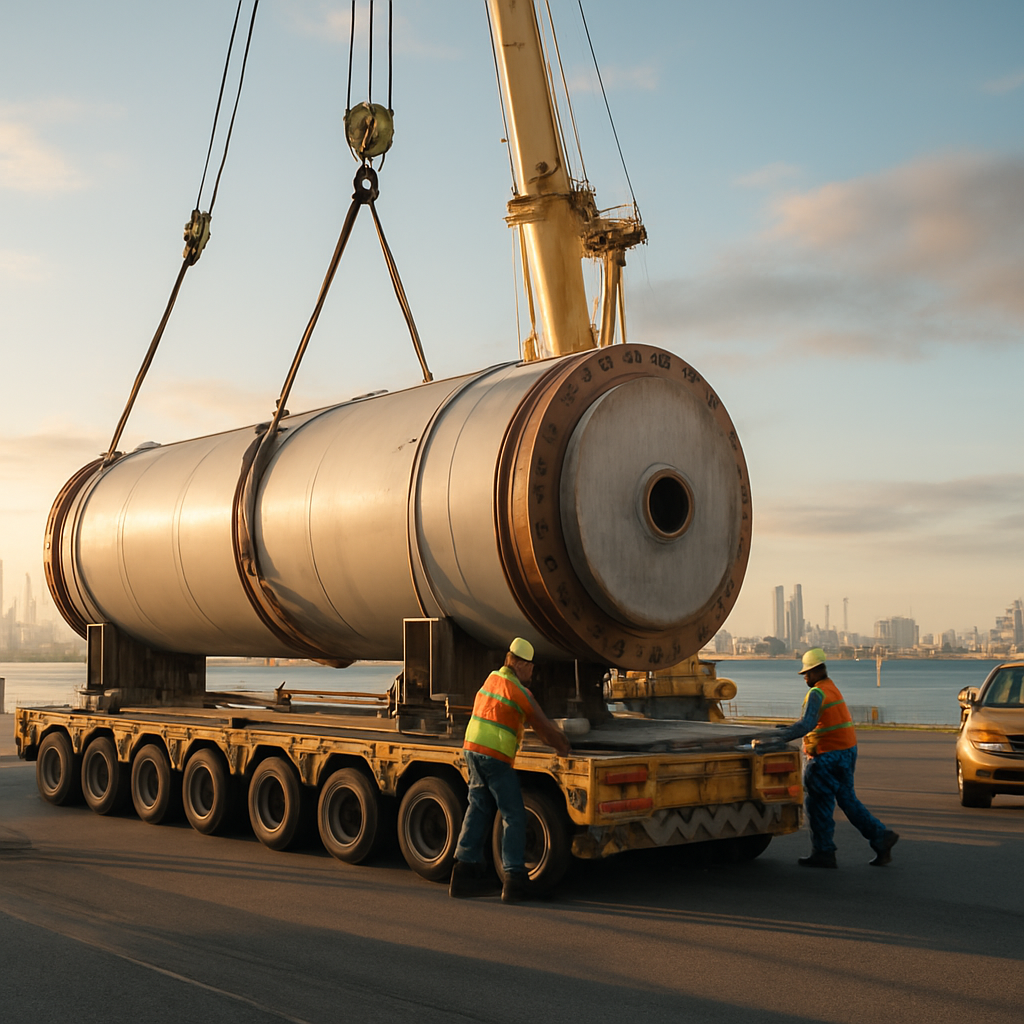
The Dutch North Sea build-out to 21 GW by 2030 is driving bigger components, tighter weather windows, and higher installation vessel utilisation. Purpose-built jack-up and heavy-lift vessels, Sif’s XXL monopile facilities at Maasvlakte, and advanced heavy lift freight management are now central to project planning. Digital twin simulations, near real-time weather routing, and remote condition monitoring improve safety and predictability. These innovations allow stakeholders to plan more efficient transportation solutions and reduce costly standby days offshore.
3. Hydrogen and New Fuels Reshape Cargo Flows
The emerging hydrogen economy is changing how energy-related cargo enters and exits Dutch ports, with green ammonia, methanol, and liquid CO₂ creating new trade lanes. Rotterdam’s hydrogen backbone and national pipeline projects are shifting focus from traditional fuels to energy project freight services that support import, conversion, and distribution. Logistics teams must master stricter safety rules, specialised equipment, and multimodal project transportation to connect coastal hubs with inland industrial users across Northwest Europe.
4. Digitalisation Enables Predictive and Transparent Planning
AI route optimisation, sensor-enabled lifting gear, and connected port community systems are turning ports into data-rich environments. Real-time visibility on vessel ETA, yard capacity, and customs status allows more reliable project cargo freight coordination and just-in-time deliveries for critical components. Sources such as the Port of Rotterdam’s transition programme updates provide insight into upcoming energy corridors and infrastructure. This transparency supports more resilient oversized cargo supply chains and helps demonstrate ESG performance to lenders and regulators.
5. Sustainability and Regulation Drive New Logistics Models
EU climate rules, including Fit for 55 and FuelEU Maritime, are forcing energy projects to cut emissions across their logistics footprint. Dutch providers are responding with hydrogen-powered barges, shore power at quays, and lower-carbon bunkers as part of end-to-end logistics solutions. Smart freight forwarding services and industrial logistics transportation solutions that prioritise low-carbon modes can reduce lifecycle emissions while protecting schedule. Energy developers that embed sustainable logistics into early design gain an advantage when competing for permits, finance, and public acceptance.
- Clarify which stages of your project need specialist energy project freight services versus standard transport.
- Assess whether your current partners can handle heavy lift freight management for XXL offshore components.
- Map how multimodal project transportation through Dutch hubs can de-risk your construction schedule.
- Review how your logistics strategy supports ESG reporting and emissions reduction targets.
- Engage a provider experienced in end-to-end logistics solutions for complex energy assets.
If you are planning major offshore wind, hydrogen, or industrial energy investments, now is the time to align logistics with your commercial and ESG goals. Speak with a specialist project partner who understands Dutch ports, oversized cargo supply chains, and high-stakes transportation solutions to request a tailored logistics assessment, budgetary quote, and execution roadmap for your next investment.

Related posts
Only 35% of Shipping Giants Aim To Be Zero Carbon
Latest statistics report that only 35% (33 out of 94) of the major global shippi
A Beginner’s Guide to Domestic Sea Freight in 2026
Learn how domestic sea freight in 2026 is changing in the Netherlands, the compl
Approved Multi-Tank Carriers To Lower-Carbon Fuels
The DNV have finally approved a design for multi-tank carriers in a push to move
