




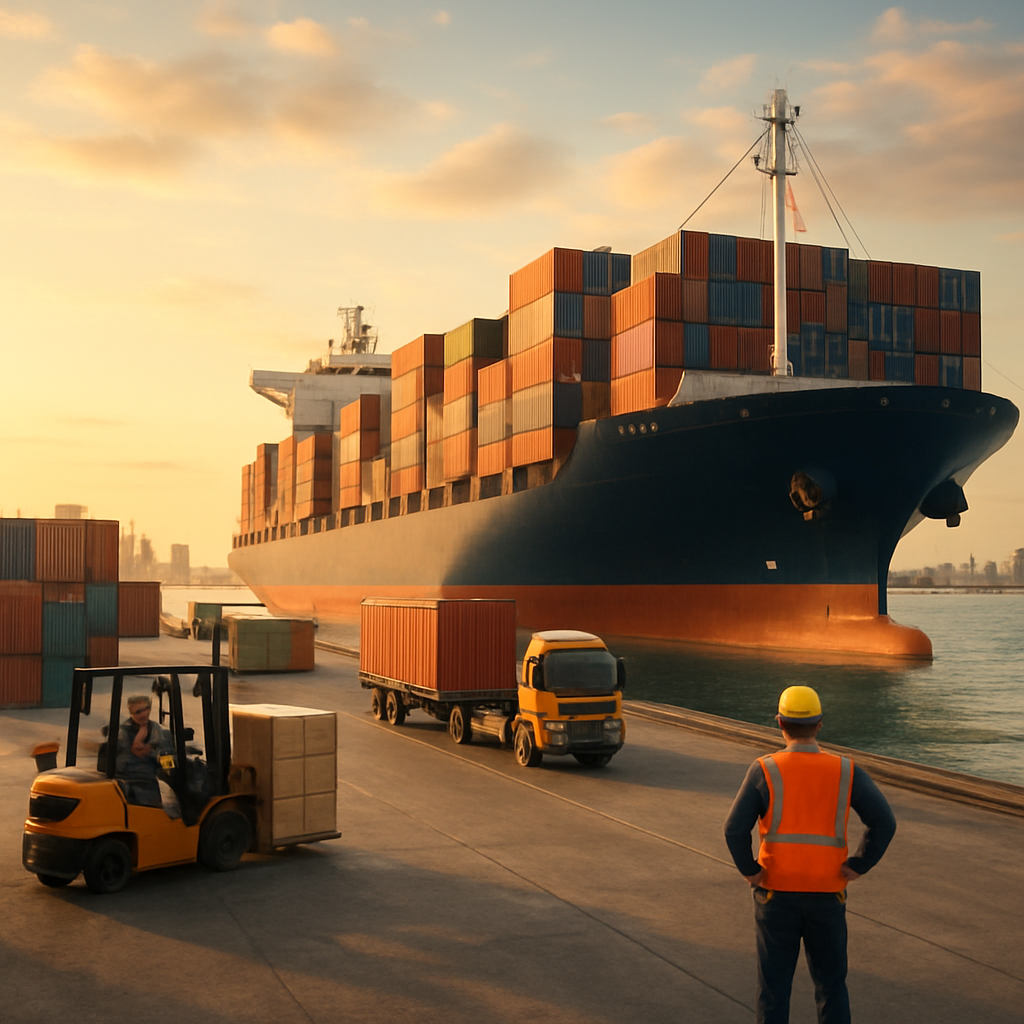
A Beginner’s Guide to Domestic Sea Freight in 2026
Domestic sea freight is rapidly changing how goods move within the Netherlands, but many businesses are only now waking up to the hidden risks in this shift. As companies compare trucks, trains, and Domestic & Coastal in Netherlands services, they are often unaware of how regulatory, operational, and cost pressures can erode margins long before cargo reaches the quay. The result is a growing gap between expectations and reality for shippers who assume domestic ocean moves are simple.
- Misjudging sailing schedules and port cut-off times
- Ignoring terminal, handling, and hinterland cost components
- Overlooking climate-related surcharges and compliance fees from 2026
- Failing to align trucking and barge legs with fixed short-sea departures
- Relying on ad hoc interstate shipping services instead of planned coastal capacity
Understanding Domestic Sea Freight in 2026
Domestic sea freight in the Netherlands is entering a new era shaped by decarbonisation rules, automation at major ports, and tightening capacity on key corridors. Services that once functioned as flexible, low-cost add-ons now sit inside a far more regulated framework, especially as EU emissions trading and FuelEU Maritime rules extend to shorter voyages. For shippers used to road-only models or informal domestic coastal shipping services, this creates unfamiliar layers of documentation, lead times, and penalty risks.
Why Complexity and Compliance Are Catching Beginners Out
The most common misconception is that domestic sea freight behaves like an extended truck lane with a ship in the middle. In practice, carriers operate on rigid sailing windows, with containers required in terminals well before departure and cleared quickly on arrival. When planners underestimate these constraints, they trigger demurrage, storage, and last-minute rerouting costs. Added to this are emissions-related surcharges that can vary by vessel, fuel mix, and route, making it hard to compare coastwise cargo delivery with overland options on a like-for-like basis.
Warning Signs Your Dutch Coastal Set-Up Is Leaking Money
Several operational patterns signal that a domestic coastal strategy is not under control. Containers repeatedly missing their intended sailing indicate unrealistic cut-off assumptions or weak coordination between road legs and domestic port-to-port services. Rising discrepancies between quoted and invoiced rates usually reflect unplanned handling, storage, and congestion fees. If planners frequently resort to emergency trucking to “rescue” late shipments, your network design is likely favouring short-term fixes over reliable short-sea freight solutions that could stabilise flows.
The Hidden Impact of Poor Planning Before 2026 Deadlines
As 2026 approaches, the cost of mistakes will climb. Emissions charges will not only add line items to invoices; they will influence which netherlands coastal freight options remain commercially viable. Carriers able to invest in cleaner fuels and automated terminals may prioritise volume from shippers who plan ahead and offer steady flows, leaving late bookers exposed to higher prices and fewer coastal freight solutions. Without a clear view of how sea legs interact with local delivery options and inland connections, businesses risk locking into contracts that bake in escalating compliance costs.
To avoid being squeezed out of efficient lanes, shippers need to examine where domestic ocean moves fit within broader multimodal coastal freight options, including rail, barge, and door-to-door sea freight arrangements. Reviewing schedule reliability, cost overruns, and emissions performance across existing lanes can reveal whether sustainable coastal transport solutions are genuinely delivering benefits or simply shifting problems from road to sea. Independent data sources such as the EU’s Blue Economy and Eurostat short-sea statistics provide useful benchmarks for typical volumes and trends in regional maritime transport.
External reference: Eurostat overview of EU short-sea shipping data and trends (https://blue-economy-observatory.ec.europa.eu/eu-blue-economy-sectors/maritime-transport_en)

Related posts

Logistics and Sustainability: Balancing Environmental and Economic Objectives
Logistics and sustainability are two key components of a successful and responsi
What is the Harmonised System of Codes in Respect of Trade Goods?
The Harmonised System is a framework of codes and descriptions used to identify

DG Air Freight Services: Navigating Regulations in the Netherlands
DG air freight services in the Netherlands help you ship hazardous goods safely
