




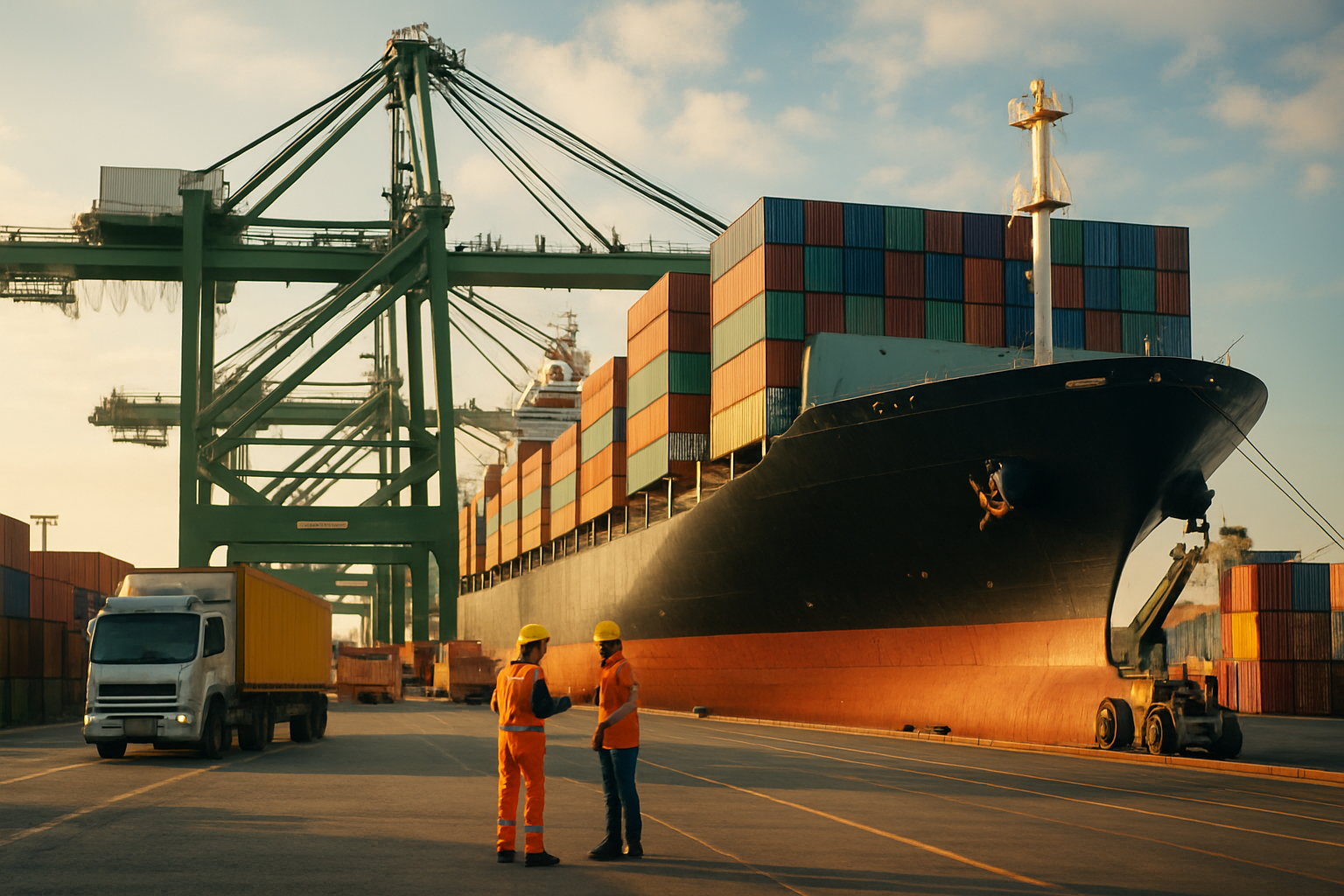
Port-to-Port Container Shipping: A Comprehensive Guide
Port-to-port container shipping sounds straightforward, but for many U.S. importers and exporters it quietly hides serious risk. At first glance, the contract appears to cover the whole journey, yet in reality it only governs the movement between two seaport terminals. When companies rely on this limited scope for complex European routes, especially those touching Sea Freight in Netherlands trades through gateways like Rotterdam, blind spots emerge around cost, timing, and responsibility that can erode margins.
- Unclear division of responsibilities between the shipper, consignee, and carrier.
- Hidden terminal fees, storage, and equipment charges appearing after departure.
- Poor coordination between trucking, warehousing, and port operations.
- Documentation errors that delay cargo release at destination.
- Limited door-to-door visibility despite sophisticated tracking tools.
Understanding what port-to-port really means
In most contracts, port-to-port container shipping begins when a loaded container is received at the origin terminal and ends when it is discharged at the destination port. Everything before and after that point sits in a separate bucket of Ocean shipping logistics often managed by different providers, systems, and terms. Shippers who assume a single rate covers drayage, storage, and handling frequently discover additional charges only when invoices arrive.
How hidden gaps show up in daily operations
The disconnect between contractual coverage and real-world Container shipping options surfaces in predictable ways. Containers may arrive early at terminals, then sit idle because trucking slots or export clearances are not aligned. At destination, boxes can incur demurrage while consignees sort out the Customs documentation process or wait for payment approvals. These breakdowns rarely appear in headline freight rates, but they steadily push up landed costs.
Why U.S. shippers face heightened exposure via Europe
Major European hubs act as critical junctions in port-to-port ocean logistics from the United States, and their efficiency strongly shapes the end-to-end experience. When netherlands container freight choices are made purely on transit time and rate calculation, shippers may overlook cut-off times, terminal congestion patterns, or how cargo will move inland. Research by organisations such as the World Bank highlights how documentation errors and inconsistent data remain major causes of port delays worldwide.
Operational warning signs you may be overlooking
Patterns inside finance and operations often reveal deeper structural issues before they become crises. Frequent detention and demurrage, unexplained accessorials, and repeated disputes over who pays which port fee are all indicators of weak full container load planning or poorly defined LCL consolidation strategies. If teams rely on emails and spreadsheets to manage sea freight customs paperwork and import export customs compliance, it becomes harder to spot where the handoffs are failing.
Many businesses assume that upgrading to door-to-door container shipping or switching carriers alone will fix chronic delay and cost problems, but the root issue is usually a misaligned strategy. The real leverage comes from mapping every leg around the port-to-port contract, clarifying accountability, and tightening data sharing across partners. For deeper background on global port performance and dwell-time risks, the World Bank’s Logistics Performance Index offers useful comparative benchmarks at https://lpi.worldbank.org/.
If your cargo regularly misses connections, accumulates fees, or becomes difficult to trace between terminals and inland depots, it may be time to re-examine your approach to port-to-port container shipping. Review your current contracts, Incoterms, and handoff points, then speak with an ocean freight specialist who understands European gateways and U.S. regulatory demands. An informed consultation can help you identify weak links, redesign your process, and prevent today’s inefficiencies from becoming tomorrow’s costly disruption.

Related posts
Repacking or Consolidating: Procedures
Repacking and consolidating transshipped containerised sea cargo into a new cont
Box Ships Skip Singapore as Port Congestion Reaches Critical Level
Congestion in Singapore, the world’s second-busiest container port, has reache
Yang Ming Chiefs Deny Extra Bonus Amid Doubled Q1 Profits
Yang Ming has denied media reports that its chairman and GM, Cheng Cheng-mount a
