




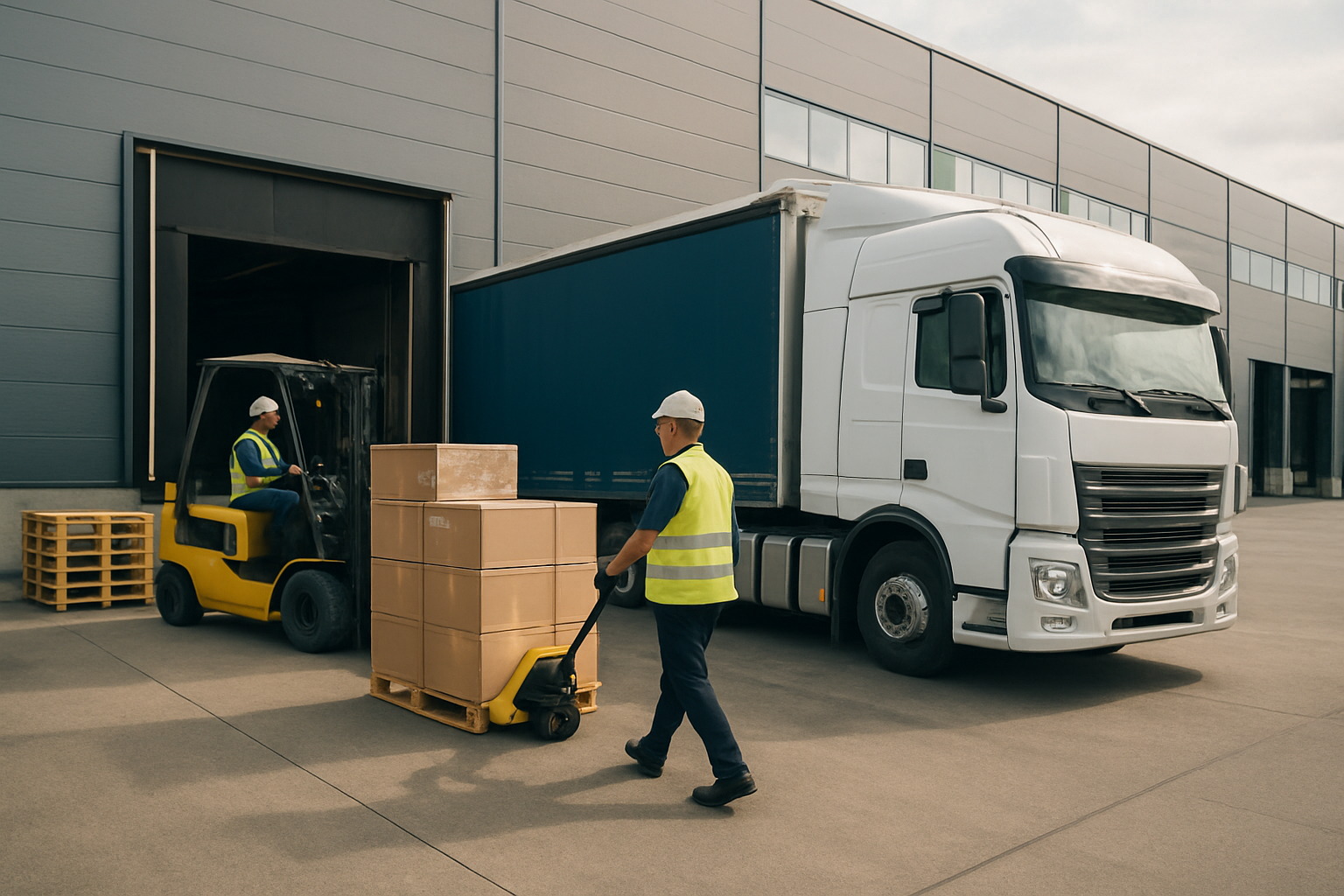
E-Commerce Road Freight Solutions for Dutch Retailers
E-commerce growth in the Netherlands is accelerating, but many retailers overlook a crucial risk: the fragility of their Road Freight in Netherlands setup. As order volumes rise and delivery promises tighten, small weaknesses in planning, routing, and carrier management can quickly snowball into late deliveries, rising costs, and declining customer trust.
- High share of customer complaints related to delivery timing or tracking
- Sudden spikes in transport costs during peak seasons or promotions
- Inability to offer flexible delivery windows or pick-up options
- Operational stress when shipping to Germany and Belgium
- Fragmented data across warehouses, carriers, and customer service teams
The Hidden Cost of Weak E-Commerce Road Freight Strategies
For Dutch retailers, e-commerce road freight is no longer a back-office detail; it shapes the customer experience as much as website design or pricing. When freight transportation services are built on outdated contracts or a single favorite carrier, retailers often pay more per shipment and still struggle to meet next-day expectations. Over time, this gap erodes margins and sends shoppers to competitors with smoother delivery performance.
How Problems Show Up in Daily Operations
Warning signs usually appear first in service metrics. Orders that routinely miss promised time windows, inconsistent transit times between Randstad cities and the north or south, and growing volumes of “where is my parcel?” inquiries all hint at deeper flaws. Retailers may find they cannot easily add parcel lockers, evening slots, or other ecommerce logistics solutions without major disruption, revealing that their network is more rigid than it appears on paper.
Structural Causes Behind Dutch Freight Inefficiencies
Most issues stem from structure, not individual drivers or depots. Mid-sized brands often lock themselves into long-term road freight transportation agreements before volumes stabilize, making it hard to renegotiate as demand shifts. Poor integration between inventory systems and logistics and shipping solutions means trucks leave half-full or take suboptimal routes. In cities preparing zero-emission zones, a lack of planning for compliant vehicles and urban hubs can force costly last-minute workarounds.
Overlooked Risks in Cross-Border and Regional Deliveries
Risk also increases when retailers expand beyond the Netherlands. Cross-border freight options into Germany and Belgium can introduce new rules, transit times, and surcharge structures that complicate retail cargo delivery. Without a clear strategy for european trucking services, netherlands shipping solutions, and cargo delivery options, businesses may see higher return rates and customs-related delays that damage customer loyalty in neighboring markets.
Analysts expect European last-mile volumes to keep climbing, raising pressure on palletized cargo transport, door-to-door trucking services, and related networks. Dutch retailers that delay freight optimization risk being locked into uncompetitive contracts as regulations tighten; data from the European Commission on transport emissions trends underscores how quickly standards are changing at regional level (https://transport.ec.europa.eu). To understand where you stand, review your delivery KPIs, benchmark your current road freight transportation setup, and speak with a logistics expert before hidden weaknesses in your Road Freight in Netherlands strategy turn into a barrier to growth.

Related posts
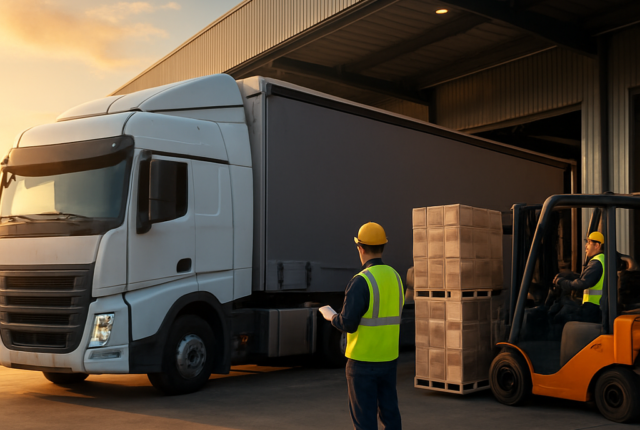
Door-to-Door Road Freight: Streamlining Your Logistics
Discover how door-to-door Road Freight in Netherlands simplifies logistics, redu
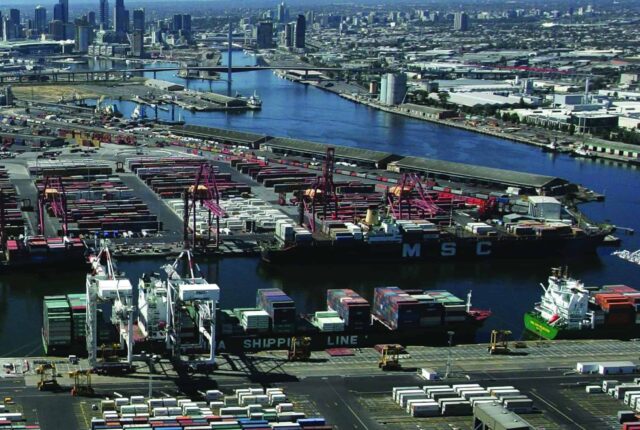
Severe Congestion at DP World Melbourne Terminal
Landside logistics operators are continuing to experience extreme congestion at
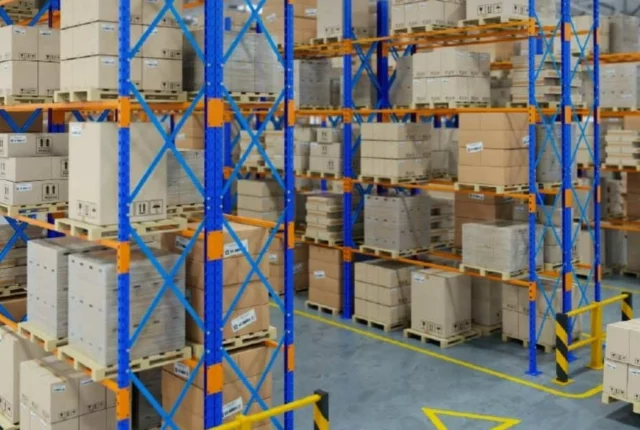
Urban Warehousing in the Netherlands: Solving the Last-Mile Delivery Challenge
Urban warehousing has become a critical component in addressing the challenges o
