




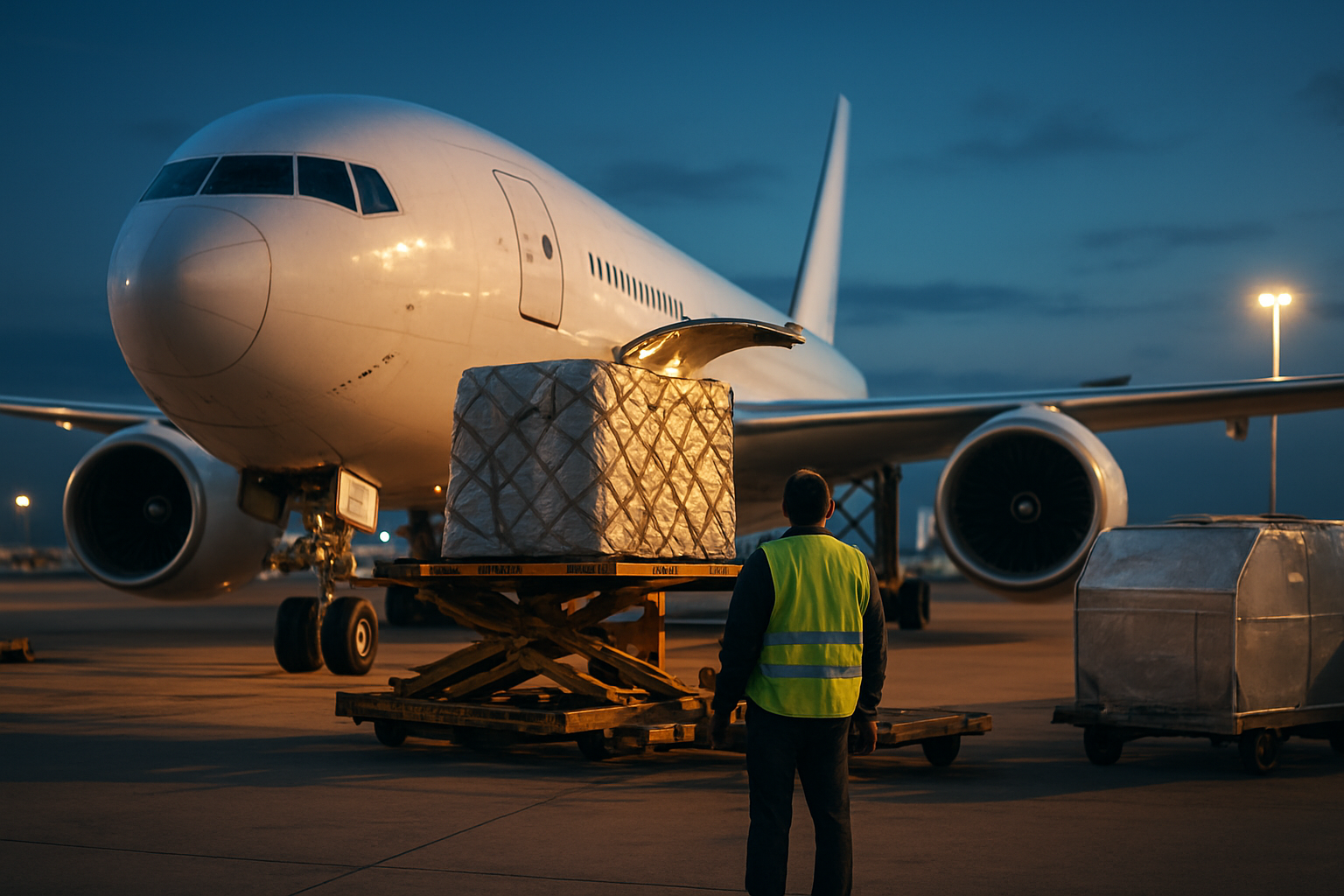
Air Freight Rates and Transit Times: What to Expect in 2026
By 2026, air shippers will face a more stable yet still competitive environment, making it essential to understand how providers truly differ. Air freight in Netherlands will sit at the crossroads of major European trade lanes, where capacity, technology, and local expertise can dramatically influence total landed cost and reliability. Choosing the right partner is no longer just about a spot rate; it is about end-to-end performance, transparency, and the ability to support rapid shifts in demand.
Air Freight Rates and Transit Times: What to Expect in 2026
As passenger networks and freighter capacity normalise, volatility will ease, but core air freight pricing factors will remain complex. Providers that clearly explain each air cargo cost breakdown, including fuel, security, handling, and surcharges, will help shippers benchmark offers on a like-for-like basis. Businesses should expect more granular guidance on calculating air freight costs, especially when comparing direct services with multimodal solutions. This clarity enables informed trade-offs between speed, budget, and risk tolerance.
Transit times on key lanes to and from Dutch gateways are likely to shorten as infrastructure upgrades, digitised customs, and smarter slot management reduce bottlenecks. However, the real differentiator will be how logistics partners manage exceptions during seasonal peaks and disruptions. Providers that combine live tracking, predictive alerts, and robust contingency planning will deliver consistently fast transit for sensitive freight, even when networks are under pressure. This operational discipline becomes a strategic advantage for shippers with tight launch schedules.
- Clear explanation of service levels and transit commitments across trade lanes
- Detailed visibility into surcharges, ancillary fees, and contract terms
- Demonstrated performance data for priority time-critical air shipments
- Ability to blend air, road, and sea for express logistics for urgent cargo
- Structured contingency plans for weather, congestion, and capacity shocks
What Truly Differentiates 2026 Air Freight Providers
In a maturing market, differentiation hinges on process and decision support rather than headline promises. Leading providers help customers analyse speed versus cost in air freight, mapping service tiers against manufacturing cycles, inventory policies, and customer commitments. They also offer specialised support for urgent shipment logistics, using scenario modelling to protect critical flows without overpaying for every shipment. This consultative approach turns air freight from a reactive expense into a managed strategic lever.
Technology, Compliance, and Local Expertise
Digital platforms are no longer optional; they are central to time-sensitive air cargo solutions. Strong providers integrate booking, tracking, carbon reporting, and exception management into a single environment, supported by data on optimizing urgent cargo routing and carrier performance. At the same time, deep gateway knowledge remains vital, particularly around customs, security rules, and Sustainable Aviation Fuel initiatives. For independent validation of evolving sustainability requirements, many shippers refer to resources from IATA at https://www.iata.org, then rely on their provider to translate policy into practical routing and compliance choices.
- Proactive customs guidance to minimise delays and compliance risk
- Integrated visibility tools for urgent air freight planning and monitoring
- Structured playbooks for priority routings and service recovery
- Transparent dashboards for fuel, SAF surcharges, and emissions data
- Specialist support for optimizing network design and shipment consolidation
As you plan for 2026 and beyond, focus on providers that can clearly explain your options, quantify trade-offs, and back claims with data. Look for a partner that aligns air strategy with your broader supply chain, from routine replenishment to genuinely urgent cargo moves. To compare scenarios, review your high-impact lanes, and design a resilient plan for critical freight, schedule a tailored consultation with our team and move forward with confidence.

Related posts
Door-to-Door Air Freight Services: A Comprehensive Guide
Learn how door-to-door air freight in Netherlands works, compare service levels,
Elevating Excellence: Quality Control in Air Freight Operations
In the fast-paced world of air freight operations, ensuring the highest quality

Airborne Agility: Key to Emergency Logistics Success
In today’s fast-paced world, the ability to respond quickly and efficientl
