




End-to-End Project Cargo Management Explained
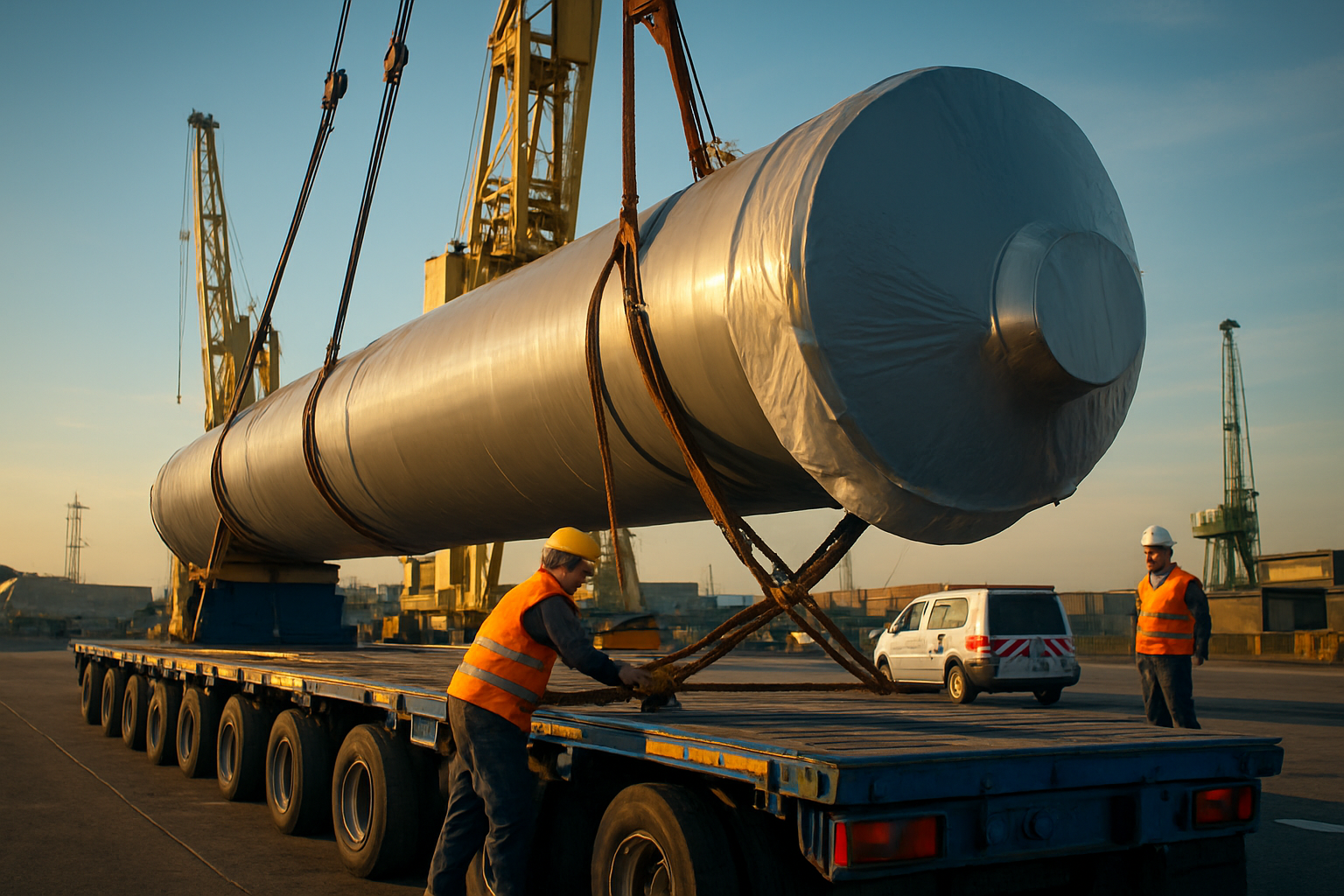
End-to-end project cargo management is emerging as a critical risk area for capital projects across Europe, particularly when complex shipments move through Dutch ports and inland networks. As industrial investors push for tighter timelines and budget control, gaps in planning oversized cargo moves can quietly undermine entire construction programmes. Many project owners still treat heavy-lift logistics as an operational detail, rather than a strategic element of the project cargo supply chain.
- Missed or delayed permits for abnormal road transport
- Conflicting timelines between sea, road, and inland waterway carriers
- Late discovery of route restrictions such as low bridges or weak structures
- Unclear ownership for damage, insurance, and risk mitigation
- Fragmented documentation for inspections, surveys, and compliance
End-to-End Project Cargo Management Explained
End-to-end project cargo management covers every stage from engineering drawings to final on-site installation of heavy and oversized components. In practice, it means synchronising design data, supply chain management, permitting, handling equipment, and on-the-ground execution across multiple countries and modes. When these elements are managed in isolation, even well-resourced teams can face costly delays at ports, terminals, and construction sites.
How gaps emerge in complex European project corridors
Gaps typically appear at the handoff points between carriers, ports, and subcontractors. In busy hubs such as Rotterdam or Antwerp, a minor error in berth booking or crane availability can ripple through a schedule already under pressure. Standard freight forwarding services are often not configured to anticipate escort requirements, structural checks, or tide-dependent movements that define oversized cargo logistics management.
Warning signs your project cargo strategy is failing
Early indicators are usually subtle. Conflicting ETAs, growing reliance on spreadsheets and email trails, or last-minute redesigns of lifting plans signal that there is no single, coherent plan for heavy lift project transportation. Teams may struggle to reconcile what the engineering model assumes with what local authorities actually permit on roads, waterways, and terminals. This disconnect exposes projects to unplanned storage, extra handling, and rework.
The real cost of fragmented project logistics
When a key component such as a transformer or reactor vessel misses its slot, the impact extends far beyond demurrage. Entire plants can sit idle, with delay penalties measured in millions per day. Industry analyses of megaprojects repeatedly cite logistics failures among leading causes of overruns, alongside design changes and regulatory risk. Poorly coordinated multi-modal project cargo services and incomplete, customs-compliant project logistics can also trigger inspections, fines, or forced rerouting.
Why integrated, expert-led planning is now essential
Projects moving through the Netherlands need more than transactional transportation solutions; they require end-to-end transportation solutions anchored in engineering, regulations, and local execution realities. Industrial freight forwarding specialists are increasingly engaged from the feasibility stage to test routes, coordinate breakbulk freight coordination, and align stakeholders. For teams managing Project Logistics in Netherlands, this is the moment to reassess governance, data flows, and decision rights before the next major shipment is booked.
International guidelines from organisations such as the European Commission outline how infrastructure and regulatory complexity will keep increasing across corridors, raising the bar for compliant movements. Project owners who still view project logistics as a late-stage procurement item risk avoidable exposure compared with those who plan integrated transportation early. To understand how your current approach compares, review recent shipments, incident reports, and near-misses, and speak with experts who can stress-test your approach against future project demands.
If your team is preparing large-scale moves or feels reliant on ad hoc fixes, now is the time to act. Map every step of your project cargo route, challenge assumptions about capacity and permits, and benchmark your planning maturity against peers. A structured review with specialists in Project Logistics in Netherlands can reveal vulnerabilities before they become schedule-critical failures. Schedule a consultation or request an independent logistics risk assessment to ensure your next project is built on a resilient, compliant transport strategy.

Related posts

Navigating Import Customs Clearance in the Netherlands: 2026 Tips
Understand the rising risks in customs clearance in Netherlands for 2026. Learn

Unaccompanied Baggage Shipping and The Football World Cup
The World Cup has been played on the continents of Europe, South America, North
Coastwise Shipping Services: Benefits for Dutch Businesses
Discover how Domestic & Coastal in Netherlands solutions cut costs, lower em
