




Door-to-Door Sea Freight Services: What You Need to Know
Door-to-door sea freight services give US importers and exporters a single, accountable partner from pickup to final delivery, reducing handovers and communication gaps. When routed via the Netherlands, and especially the Port of Rotterdam, they combine inland trucking, ocean transport, customs clearance, and last‑mile services into one coordinated flow. This integrated model is particularly attractive for businesses comparing Sea Freight in Netherlands with more fragmented alternatives that require managing multiple carriers and brokers separately.
Understanding Door-to-Door Sea Freight Services
Traditional port-to-port models leave shippers responsible for arranging trucking, warehousing, and the customs documentation process at both ends of the journey. By contrast, door-to-door ocean shipping transfers operational control to a single specialist that manages planning, execution, and exception handling. For US companies, this means fewer vendor contracts, streamlined communication, and clearer accountability if schedules change or documentation issues arise at customs.
What sets advanced providers apart is their ability to combine Ocean shipping logistics with precise sea freight transit time estimates, realistic contingency planning, and proactive status updates. Rather than simply booking space on a vessel, they analyse routes, seasonal congestion, and terminal performance to help you align shipping schedules with production and inventory strategies. This approach reduces buffer stock requirements and supports more predictable cash flow.
Integrated Netherlands container shipping services also stand out in how they handle import export customs paperwork. Experienced teams understand EU regulations, HS classification, and local port procedures, helping to minimise delays and unexpected storage or demurrage charges. For US shippers managing time‑sensitive or high‑value cargo, that combination of technical knowledge and end-to-end freight coordination can be a decisive factor when selecting a partner.
- Single point of contact from origin pickup to final delivery.
- Coordinated port-to-door delivery solutions that reduce handovers.
- Support with choosing container size and suitable container shipping options.
- Specialised knowledge of EU and US customs and compliance requirements.
- Use of digital tracking tools for real-time visibility and documentation sharing.
Process Transparency and Technical Expertise
Leading providers distinguish themselves through clear, step‑by‑step explanations of their sea freight logistics planning. They clarify responsibilities at each milestone, explain how Incoterms affect risk transfer, and show how their processes mitigate typical disruptions. This transparency allows US logistics managers to compare offers on more than headline freight rates, considering schedule reliability, handling standards, and documentation support.
Using Technology and Data to Your Advantage
Technology is another key differentiator. Robust platforms centralise bookings, shipment milestones, and documents, giving teams on both sides of the Atlantic a single source of truth. When combined with data on vessel performance and port congestion, these systems support more accurate Sea Freight in Netherlands planning and stronger internal reporting. Independent sources, such as the Port of Rotterdam Authority’s statistics at https://www.portofrotterdam.com, can also help you benchmark performance assumptions.
- Digital dashboards showing door-to-door status and exceptions.
- Centralised document storage for commercial invoices and bills of lading.
- Analytics to refine routing choices and service levels over time.
- Configurable alerts for customs holds, delays, or schedule changes.
- Integration with internal ERP or TMS platforms for better planning.
If you are assessing Dutch partners for containerised trade, focus on how each forwarder manages complete journeys rather than individual port calls. Ask for concrete examples of how they prevented delays, optimised routes, or resolved complex customs challenges for similar US-based clients. Then compare how clearly they explain their processes, pricing, and responsibilities so you can move ahead with confidence and select a door-to-door specialist that fits your operational and strategic priorities.

Related posts
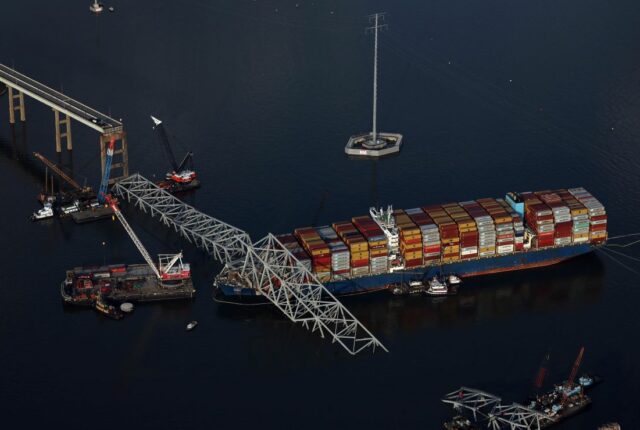
FBI Investigates Criminal Case in Baltimore Bridge Disaster
The investigation of the Baltimore bridge disaster may be turning into a crimina
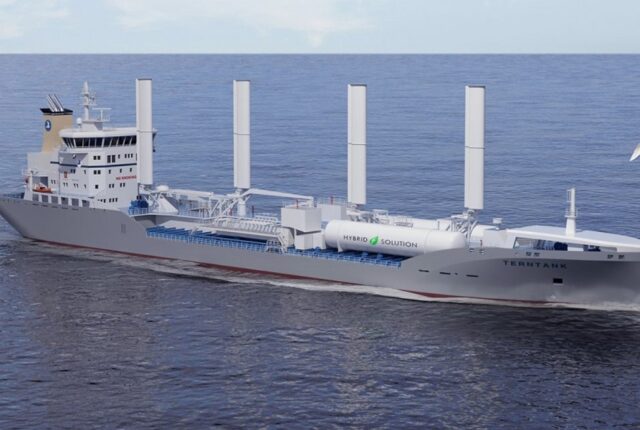
Methanol and Wind Hybrid Tankers Ordered
Swedish tanker operator Terntank reported that it has ordered methanol and wind

Australia’s Leading Freight Forwarder is Expanding: New Brisbane Office
Australia’s Leading Freight Forwarder, Across the Ocean Shipping, has opened a
